
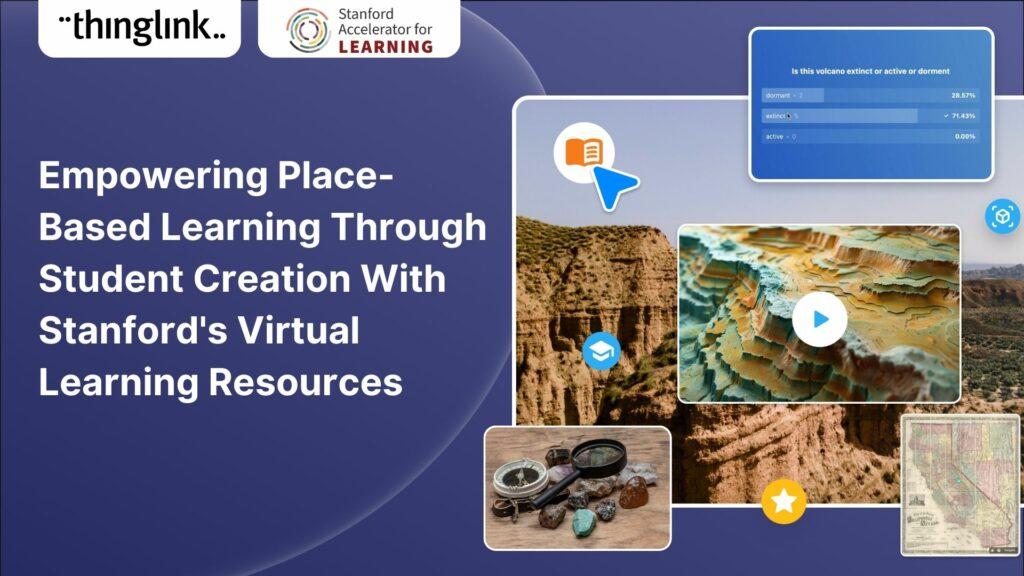
Explore the World from School: How Virtual Field Trips Expand Horizons without Leaving the Classroom
Education is undergoing a rapid transformation, especially with technology bridging gaps between classrooms and the wider world. Today, virtual field trips are proving to be a game-changer—offering students a chance to explore museums, ancient landmarks, scientific labs, and even other continents, all without ever leaving their school desk. In this article, we’ll dive deep into how virtual field trips in schools enrich learning, break down barriers, and spark curiosity on a global scale. Whether you’re a teacher, parent, or education enthusiast, read on to discover the incredible potential of digital field trips and how to integrate them seamlessly into your curriculum.
- What Are Virtual Field Trips?
- benefits of Virtual Field Trips in the Classroom
- How to Plan and Integrate Virtual Field trips
- Real-Life Case studies
- First-Hand Experiences from teachers and Students
- Conclusion: A New Era for Classroom Exploration
What Are Virtual Field Trips?
Virtual field trips are interactive, technology-driven learning experiences that allow students to explore environments, cultures, and concepts outside their immediate location. Using online platforms, video conferencing, 360-degree photos, and augmented/virtual reality, learners can “visit” famous sites, scientific labs, natural wonders, and more—all in real time or asynchronously.
Some popular examples of school field trips online include:
- Guided tours of the Louvre Museum via live stream
- Explorations of ecosystems in the Amazon rainforest using VR
- Virtual walks through NASA space centers and Mars rovers
- Historical site visits, such as the Grate Wall of China or Roman Colosseum
- Chats with expert scientists or authors from around the world
By leveraging digital tools, schools can turn the world into an accessible and engaging classroom—making geography, science, history, and art tangible, relevant, and inspiring.
Benefits of Virtual Field Trips in the Classroom
Virtual field trips are more than just a substitute for conventional outings; they offer unique advantages that cater to diverse learning needs and environments. Here’s why virtual learning excursions are transforming education:
1. Accessibility and Inclusivity
- no restrictions by geography or budget: Students from rural, urban, or remote areas can participate equally.
- Accommodates special needs: Digital field trips can be adapted for students with mobility challenges or sensory sensitivities.
- Cultural exposure: Learners experience global destinations and voices, broadening their worldviews and empathy.
2.Curriculum Enhancement and Engagement
- Interactive content: Quizzes, polls, and live questions encourage active participation.
- Multi-disciplinary links: Virtual field trips in schools facilitate connections between subjects (e.g.,history,science,art).
- Immersive storytelling: VR, AR, and multimedia help students retain facts better.
3. Cost and Time Efficiency
- Zero travel costs: No buses, entry fees, or meals needed.
- flexible scheduling: Trips can be synchronous or recorded for later use.
- Safety controls: Teachers manage student interactions for secure, focused learning.
4. Real-World skills Development
- Digital literacy: Navigating online platforms, conducting virtual research, and digital dialogue.
- Critical thinking: Encouraged through inquiry-based exploration and post-trip discussions.
- Collaboration: students work together on digital projects, presentations, and debates sparked by virtual visits.
5.Sustainability
- Environmentally friendly: No travel emissions or resource use
- Reusable content: Recorded trips can enrich lessons for years
How to Plan and Integrate Virtual Field Trips
Integrating virtual field trips in the classroom requires thoughtful preparation to maximize educational value. Here’s a step-by-step guide for teachers and educators:
-
Align with Curriculum Goals:
Choose virtual destinations that support current learning objectives—whether it’s a science topic, cultural study, or art module.
-
select Reliable Virtual Field Trip Platforms:
Consider resources like Google Arts & Culture, Revelation Education, Museum of Modern Art’s Virtual Visits, or national Geographic Kids.
-
Prepare Students:
Share background material, maps, or vocabulary in advance.Set expectations and learning questions for exploration.
-
Engage During the Experience:
Use breakout rooms, chat tools, interactive polls, and Q&A sessions to foster engagement.
-
Debrief and Reflect:
Discuss the trip afterwards—what did students learn, what surprised them, how can this knowledge be applied or extended?
Practical Tips for Successful Virtual Field Trips
- Test technology in advance (internet connection, devices, platform login)
- Assign roles (e.g., notetakers, question-makers, reporters) to enhance student engagement
- Incorporate multimedia (videos, interactive timelines, maps, simulations)
- Connect with experts—many organizations offer live Q&As
- Follow up with digital projects—collages, slide decks, short presentations
Real-Life case Studies
1. Virtual Science Lab: The Solar System in Fifth Grade
At Roosevelt Elementary in Ohio, fifth graders took a virtual field trip to NASA’s jet Propulsion Laboratory. Using 360-degree videos and a live chat with a Mars rover scientist, students researched planetary geology and mission logistics. Post-trip, students created digital posters on the solar system, deepening their understanding of STEM careers and space exploration.
2. Exploring Ancient Cultures: History Class at St. anne’s School
St. Anne’s history teachers coordinated a virtual walk through the Colosseum in Rome, embedding interactive quizzes along the way. Students compared Roman architecture and culture with their own lives, sparking lively online debates. The school noticed enhanced cultural awareness and improved critical thinking skills among participants.
3. Art and Empathy: Visiting the Van Gogh Museum Online
art students in Toronto joined a guided tour of the Van Gogh Museum in Amsterdam via Google Arts & Culture. Through live curator talks and image zooming, students analyzed techniques and emotional themes in Van Gogh’s works. Teachers found students more engaged with analysis, as the digital format allowed them to focus closely on individual paintings.
First-Hand Experiences from Teachers and Students
“Taking my class to the Smithsonian Museum’s virtual exhibit brought history alive. My students asked more questions than ever and continued their research long after the trip ended.”
— Ms. Garcia, Middle School teacher
“I never thought I’d see the inside of a volcano. With VR headsets, our science lesson was the most exciting one this year!”
— Ethan, Sixth Grade Student
“Teachers in our district collaborate on Google Classroom and share virtual field trip resources for free. It’s made enriching experiences accessible to all, even during remote learning.”
— Mr. Chang, District Technology Coordinator
Such testimonials underline the intense engagement and sense of wonder that virtual field trips bring—two powerful motivators for lifelong learning.
Conclusion: A New Era for Classroom Exploration
As classrooms become increasingly technology-infused, virtual field trips offer an innovative way to make learning dynamic, accessible, and globally connected. Students can explore the wonders of the world, engage with experts, and collaborate with peers—all with just a click. Whether you’re seeking to enrich a traditional curriculum,overcome logistical constraints,or simply inspire curiosity,digital field trips represent a powerful educational tool for the 21st century.
Ready to embark on a virtual adventure with your students? Unlock new horizons without leaving your classroom—and make every lesson an unforgettable journey.
Related Reads:
Virtual learning best Practices |
EdTech Innovations for Modern Classrooms