
Explore the world from Your Classroom: How Virtual Field Trips Expand Learning Horizons
In today’s digital age,classrooms are no longer confined within four walls. technology has revolutionized education, allowing students and teachers to explore the world from their classrooms through engaging virtual field trips. These interactive experiences can transport students to extraordinary places, making learning memorable and meaningful—without any permission slips or travel costs.
What Are Virtual Field Trips?
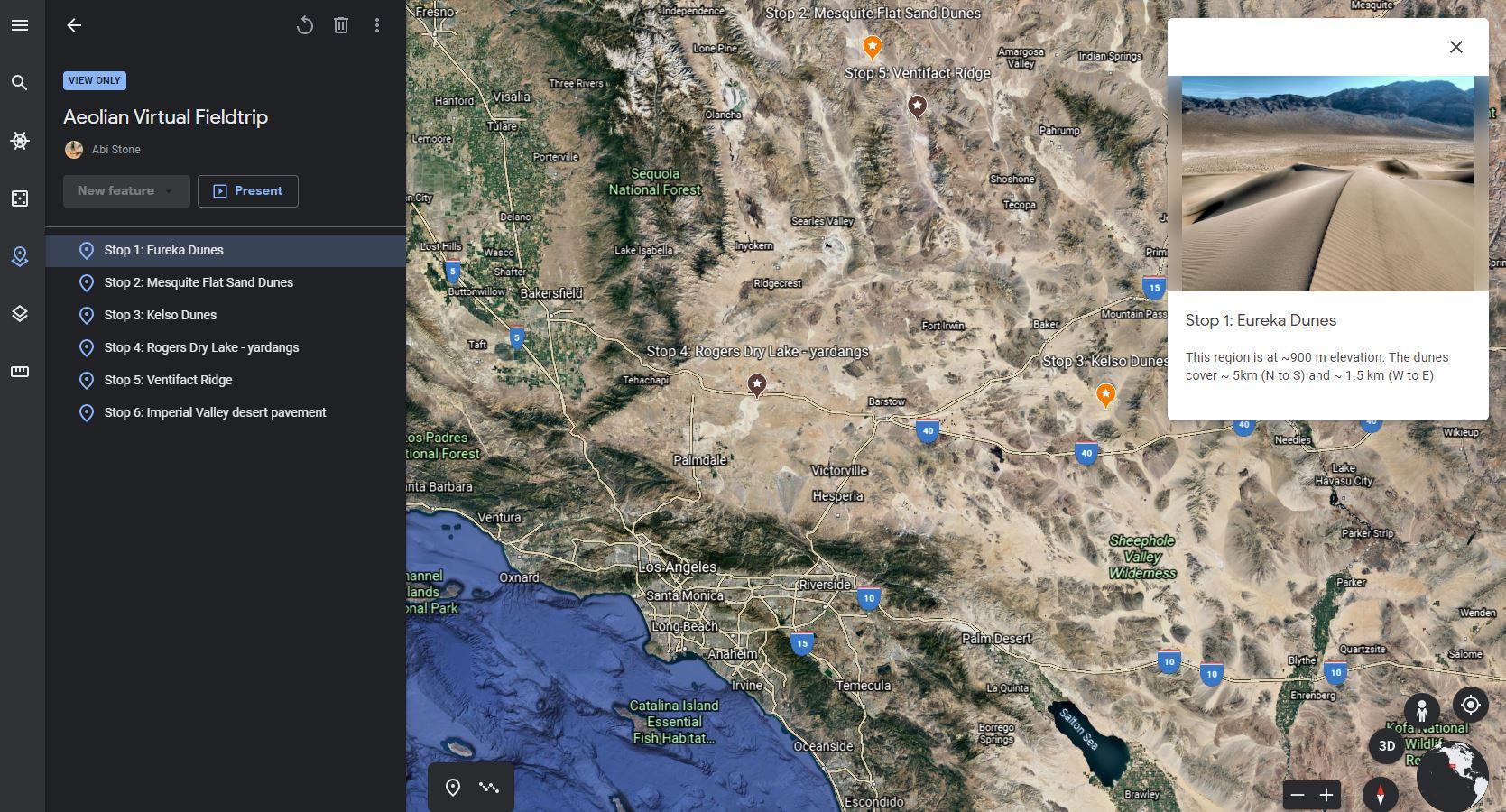
Virtual field trips are digital excursions that leverage videos, live streams, VR (virtual reality), and interactive activities to bring real-world locations and experts into the classroom. Whether visiting the Smithsonian Museum, the Great Wall of China, or embarking on a 3D exploration of the solar system, virtual field trips offer students opportunities that might potentially be or else impossible due to distance, resources, or accessibility.
- Live or pre-recorded video tours of museums, landmarks, or natural wonders
- Interactive Q&A sessions with subject-matter experts
- Immersive VR experiences to “walk” in past events or scientific explorations
- collaborative activities, quizzes, and follow-up discussions
benefits of Virtual Field Trips in Education
Virtual field trips offer numerous advantages that enrich both teaching and learning. Here’s why educators around the world are integrating them into their curriculum.
- Accessibility for All: Students can visit locations globally, overcoming barriers of geography, cost, and mobility.
- Enhanced Engagement: Interactive elements increase student motivation and involvement, making lessons more dynamic.
- Curriculum Alignment: Virtual field trips can be tailored to complement specific learning goals in subjects like science, history, geography, and the arts.
- Cost-Effectiveness: No transportation, accommodation, or meal expenses, saving both schools and families money.
- Safety and Convenience: Teachers can manage classes more effectively without the logistical and safety challenges of physical field trips.
- Inclusivity: Students with disabilities or special needs can participate fully, fostering a sense of belonging and equity.
- Instant Feedback and Assessment: Incorporation of digital quizzes, polls, and discussions for real-time assessment of understanding.
How to Implement a Successful Virtual Field Trip
Launching a virtual field trip in your classroom requires thoughtful planning to maximize student benefit. Here’s a step-by-step guide for educators:
- Identify Your Learning Objectives: Determine what you want students to achieve—whether it’s exploring ancient civilizations, understanding marine ecosystems, or connecting with a local artist.
- Choose the Right Platform: Utilize tools like Google Expeditions, Finding Education, NASA Virtual Tours, or National Geographic for Kids. Many museums and institutions now offer free or subscription-based virtual tours.
- Prepare Your students: Brief students on what to expect, provide background facts, and share any necessary login or technology instructions ahead of time.
- Engage During the Experience: Pause for discussion,encourage questions,and use collaborative platforms (like Padlet or Google Classroom) to collect observations.
- Follow Up: Assign reflection activities,group projects,or creative assessments to reinforce learning and encourage critical thinking.
- Test all technology and internet connections beforehand.
- Adapt content for students with different learning needs or language proficiencies.
- Encourage note-taking and provide worksheets for guided exploration.
- Involve families by sharing links and resources for at-home exploration.
Popular Virtual Field Trip Destinations
- The Louvre Museum (France): Art and history come alive through immersive digital tours.
- Smithsonian National air and Space Museum (USA): Explore aviation milestones and space exploration.
- National aquarium (USA): Dive deep into marine biology and conservation.
- The Great Wall of China (China): Embark on a panoramic journey through history.
- Google Arts & Culture: Access thousands of galleries, landmarks, and stories worldwide in rich detail.
- Virtual Farm Tours: Connect with agriculture and food production, ideal for STEM learning.
- Mars Virtual Reality tours (NASA): Journey to the Red Planet and learn about space science.
Real-Life Success Stories: Virtual Field Trips in Action
Schools worldwide are already reaping the rewards of virtual field trips. Here are some inspiring case studies:
Case Study 1: Bringing the Amazon Rainforest to Life
In a rural school in Alberta, Canada, fourth graders explored the Amazon rainforest through an interactive 3D virtual field trip. Students engaged with wildlife experts via live video,identified plant and animal species,and participated in a follow-up project building digital rainforest dioramas.Engagement soared, and students demonstrated a 35% improvement in science assessment scores.
Case Study 2: Historical Immersion with the British Museum
An urban middle school in Liverpool used the British Museum’s virtual tour to complement a history unit on ancient Egypt. Students examined artifacts in high resolution, participated in a “meet the curator” Q&A, and created their own digital museum exhibits. the teacher reported improved student confidence,critical thinking,and enthusiasm for history.
Case Study 3: Virtual Farm Visits for STEM Learning
A charter school in Arizona partnered with a local farm through a virtual field trip, enabling students to observe agricultural processes, ask real-time questions, and gather data for a science fair project. Students with mobility challenges participated fully,highlighting the inclusivity and adaptability of this digital approach.
first-Hand Educator Experience
Many teachers say that implementing virtual field trips has reignited their passion for teaching. One elementary teacher noted, “After our virtual tour with NASA engineers, my students were more excited then ever about STEM. They even started a lunchtime science club!”
Both students and parents have praised the ability to “travel the world” from home or school, especially when physical field trips aren’t possible due to budget, location, or health considerations.
Overcoming Challenges with Virtual Field Trips
while virtual field trips open new horizons, they do come with unique challenges:
- Digital Access: ensure all students have the necessary devices and internet connectivity.
- Screen Fatigue: Keep sessions interactive and under an hour,with regular breaks and hands-on activities.
- Quality Assurance: Vet all content for age-appropriateness and educational value before presenting it to students.
- Assessment: Measure learning outcomes with post-trip projects, reflections, or quizzes.
Solutions include leveraging school-provided technology, offering recorded versions for flexible access, and maintaining open interaction with parents and caregivers.
Conclusion: The World Awaits—No Passport Required
Virtual field trips have become a transformative tool in education, dissolving walls, expanding minds, and sparking curiosity. From the depths of the oceans to distant planets, there’s no limit to where students can go from the safety and comfort of their own classrooms. As technology continues to evolve,so too will the possibilities for interactive learning.
By embracing virtual field trips,educators not only make learning more engaging and inclusive but also prepare students for a connected,global future. why wait? Give your students the world—one click at a time.