
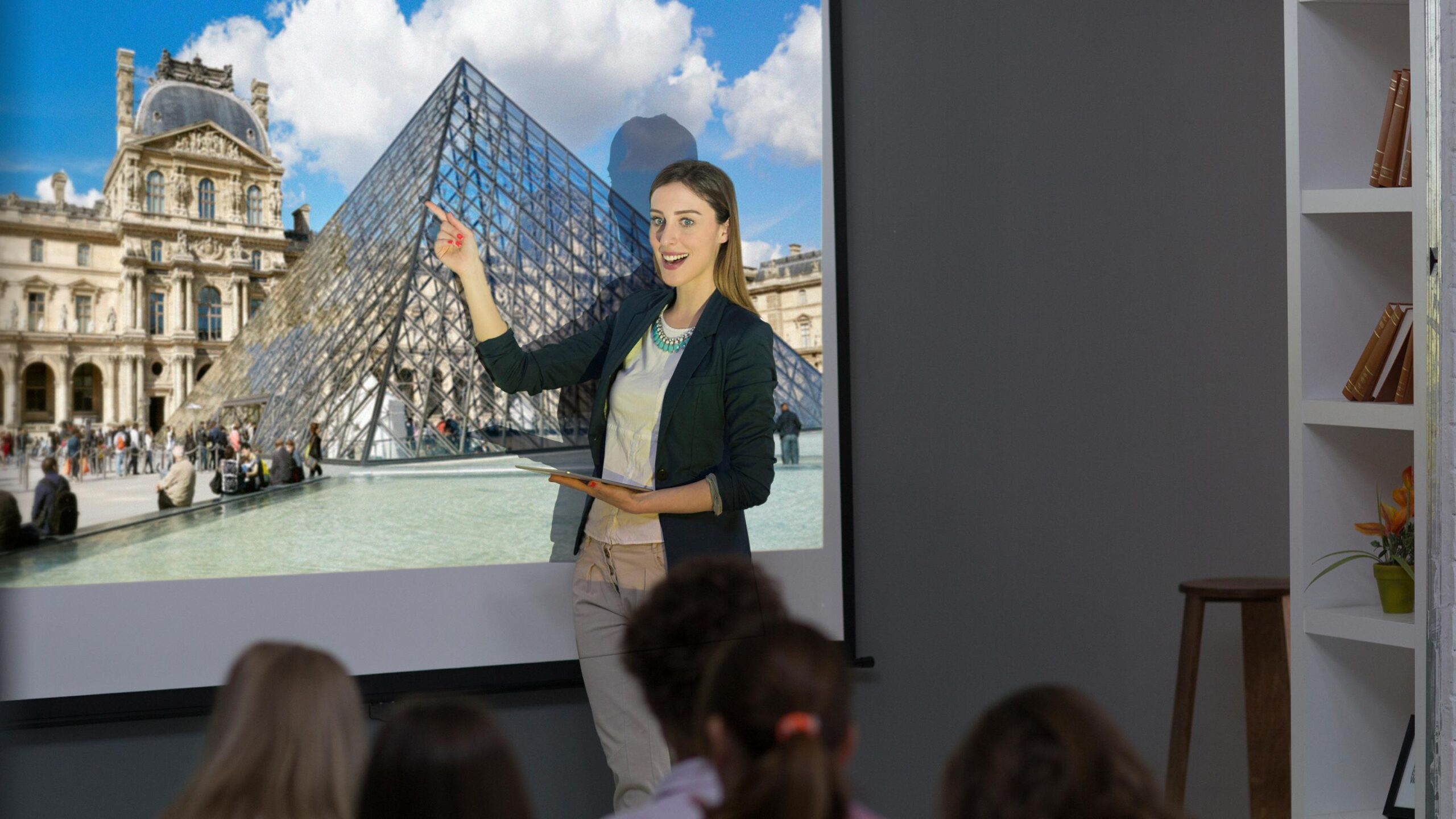
Explore the World from Your Classroom: How Virtual Field Trips Expand student Horizons
Imagine visiting the ancient pyramids of egypt, exploring the depths of the Great Barrier Reef, or touring world-class museums—all without leaving your classroom chair. With today’s digital technology, virtual field trips make it possible for educators and students to explore the globe, unlocking boundless educational opportunities. In this extensive guide, we’ll dive into how virtual field trips expand student horizons, their benefits, practical implementation tips, and real-world case studies that showcase their transformative power.
What Are Virtual Field Trips?
Virtual field trips are online educational experiences that transport students to places and events beyond their immediate surroundings—all using computers, tablets, or virtual reality headsets. These trips can involve live-streamed guided tours, immersive 360-degree videos, interactive museum exhibits, and more, delivered through specialized platforms and online resources.
- Interactive Museum Tours: Explore famous museums like the louvre or smithsonian from anywhere in the world.
- Live Science Expeditions: Connect with researchers and scientists in real-time across the globe.
- Past Landmarks: Walk through ancient civilizations and UNESCO World Heritage Sites with 360-degree video tours.
- Cultural Experiences: Participate in cultural ceremonies, language lessons, or artistic performances virtually.
The Benefits of Virtual Field Trips for Students
The best classroom experiences are those that spark curiosity, foster engagement, and promote understanding. Virtual field trips bring unique advantages that help educators achieve these goals—and more:
1. Accessibility and Inclusivity
- All students can participate: Regardless of physical, financial, or geographic limitations, every student has the chance to experience far-flung places and cultures.
- Accommodates diverse learning needs: Many platforms offer closed captions, translations, and adaptable formats for students with different needs.
2. Enriches and Personalizes Learning
- Real-world context: Students connect classroom learning to real-world scenarios, making lessons more meaningful and memorable.
- Student-driven exploration: Virtual field trips often allow learners to control their journey, deepening engagement and personal inquiry.
3. Cost and Time Efficiency
- No travel expenses: The biggest barrier to traditional field trips—cost—is dramatically reduced.
- Maximized instructional time: Virtual experiences eliminate lengthy bus rides and logistical hassles.
4. Global Awareness and Empathy
- Cultural competence: Experiencing diverse languages, customs, and histories first-hand fosters empathy and a broader worldview.
- Collaboration: Many virtual field trips include opportunities for students to interact with peers or experts worldwide.
How to Implement Virtual Field trips in Your Classroom
Ready to start exploring the world with your students? Here are some practical tips to integrate virtual field trips successfully into your curriculum:
- Identify curriculum Goals: Align your virtual field trip with current lessons in science, social studies, art, or language.
- Choose the Right Platform: Explore resources such as Google Expeditions, Google Arts & Culture, National geographic Education, or museum websites.
- Test Technology: Ensure all devices are set up, software is compatible, and internet bandwidth is adequate before your trip begins.
- Prepare Pre-Trip Activities: Build excitement and background knowledge with related readings, discussions, or short videos.
- Facilitate Active Engagement: Use guiding questions, digital worksheets, or collaborative note-taking to keep students focused and interactive.
- Reflect and Connect: After the trip, encourage students to share what they learned through presentations, art, or writing assignments.
Popular Virtual Field Trip Platforms
- Google Arts & Culture: offers hundreds of virtual tours across history, art, and natural wonders.
- Smithsonian National Museum of Natural History: Provides in-depth 360-degree tours of galleries and collections.
- Discovery Education Virtual Field Trips: Live and on-demand experiences connecting science, environment, and industry experts.
- Explore.org: Showcases live nature cams from around the world, perfect for science and geography lessons.
- NASA STEM@Home: Space-related virtual tours and interactive content for budding astronomers.
Case Studies: Virtual Field Trips in Action
Seeing is believing! Let’s look at a few real-world examples of how virtual field trips broaden student horizons:
Case Study #1: Virtual Museum Tour Brings Art to Life
mrs.Alvarez,an art teacher in Texas,wanted her students to experience classic masterpieces. By taking her 5th-grade class on a virtual tour of the Louvre using google Arts & Culture,her students explored the Mona Lisa,Egyptian antiquities,and Renaissance sculptures up close. Through guided video calls and digital scavenger hunts, students developed a passion for art history beyond textbook learning.
case Study #2: Science Comes Alive with Virtual Marine Expeditions
In Florida, Mr. patel’s class joined a live-streamed marine biology expedition led by national Geographic scientists. Students viewed real-time ocean dives and participated in Q&A sessions with marine biologists. This interactive approach deepened their understanding of coral reefs, biodiversity, and conservation efforts.
Case Study #3: Exploring Empathy and Global Citizenship
Ms. lee’s social studies class connected with students in Kenya through an international cultural exchange program. They “visited” each other’s villages, shared daily customs, and even learned a few words in Swahili and English. the virtual field trip fostered empathy and a genuine curiosity about life beyond their local environment.
First-Hand Experience: Teacher and Student Reflections
“Before virtual field trips, our school’s opportunities were limited. Now, my students eagerly look forward to every journey—traveling from the Amazon rainforest to Ancient Rome in a single month. It’s transformed the way we teach and learn.” — Mrs. Chang, Middle School Teacher
“I never thought I’d see the inside of a real volcano or meet kids from halfway across the world. The virtual trips made me realize how big and engaging our planet is!” — Jordan, 7th Grade Student
Best Practices for a Memorable Virtual Field Trip
- Set clear objectives: Define what you want your students to learn or experience before the trip begins.
- Make it interactive: Use live chats, quizzes, and group activities to keep students engaged.
- Encourage reflection: Have students discuss or journal about what surprised them and what they would like to learn more about.
- Integrate cross-curricular links: Connect the virtual experience to other subjects, such as art, writing, or science.
- Gather feedback: post-trip surveys help improve and customize future virtual excursions.
Conclusion: Start Exploring—Expand Student Horizons Today
Virtual field trips are revolutionizing the classroom, making the world’s wonders accessible to every student. By harnessing the power of technology, teachers can ignite curiosity, promote empathy, and cultivate global citizens—all from the comfort of their classrooms. Ready to embark on your own adventure? Start by exploring the many free and low-cost resources available and see how these digital journeys can transform your students’ learning experience!
Want more tips and strategies for effective teaching? Subscribe to our newsletter and keep up-to-date with the latest innovations in education technology!