
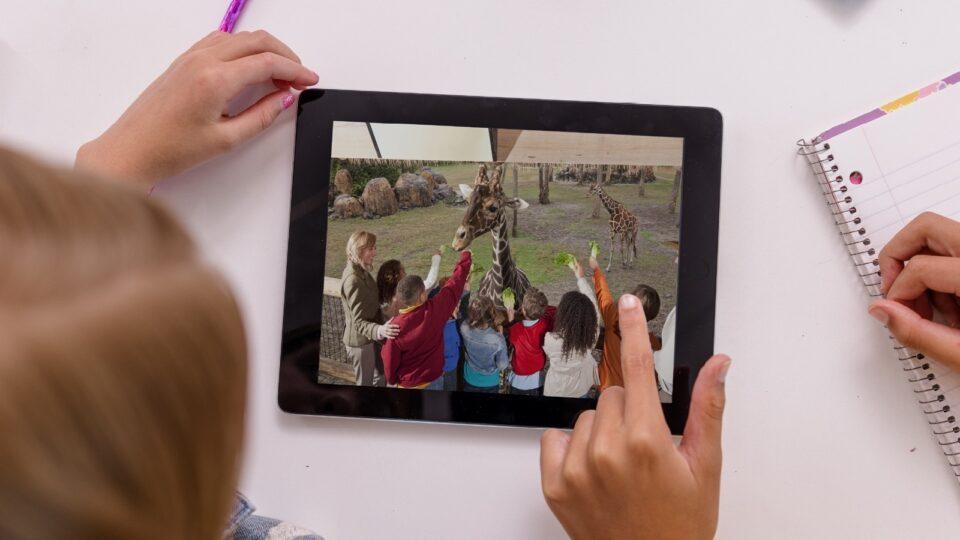
Explore the World from Your Desk: How Virtual Field Trips Are Expanding Classroom Horizons
Imagine your students trekking through the Amazon rainforest, viewing famous artwork at the Louvre, or watching live volcanoes erupt in Hawaii—all without leaving the classroom. In today’s digital age, virtual field trips are transforming education by making worldwide learning experiences more accessible than ever. Teachers and students alike are discovering a treasure trove of interactive, engaging, and meaningful adventures right from their desks. Read on to learn how these innovative tools are changing the classroom landscape and how you can harness their power for your students.
What Are Virtual Field Trips?
Virtual field trips are interactive, online experiences that use technology to bring students to destinations around the globe. Utilizing live-streams,360-degree videos,virtual reality (VR),and augmented reality (AR),these immersive journeys transport learners to museums,ancient landmarks,scientific laboratories,natural wonders,and cultural events—all with just a few clicks.
- Live Virtual Tours: Real-time guided experiences led by experts.
- Pre-recorded Experiences: High-quality on-demand tours students can explore at their own pace.
- Interactive Simulations: Hands-on activities such as lab experiments, ecosystem explorations, and art creation.
- VR & AR Field trips: Fully immersive digital environments replicating physical locations.
Why Virtual Field Trips Are Expanding Classroom Horizons
Customary field trips frequently enough involve logistical challenges,costs,and time constraints. Virtual field trips in education overcome these barriers, offering educators the tools to:
- Eliminate Geographical and Financial Barriers: Access culture, history, and science worldwide, nonetheless of budget or location.
- Customize Learning Experiences: Choose trips tailored to curriculum goals, student interests, and grade levels.
- Promote Accessibility: Ensure all students—including those with disabilities or health concerns—have equal opportunities to explore.
- Integrate Technology Skills: Prepare students for a digital future by teaching digital literacy and online collaboration.
- Enhance Engagement: Increase curiosity and motivation by making lessons interactive and memorable.
The Benefits of Virtual Field Trips for Students and Teachers
Adopting virtual field trips in the classroom brings a host of advantages for both educators and learners:
Key Benefits:
- Broadened Perspectives: Students gain cultural awareness by “visiting” places and meeting people outside their immediate community.
- Improved Retention: Interactive experiences help cement knowledge through hands-on engagement.
- Real-World Connections: Lessons come alive with authentic experiences, linking classroom theory to actual phenomena.
- Flexible Learning: Trips can be paused, repeated, or tailored to student needs for differentiated instruction.
- Safety & Convenience: Teachers avoid risks and paperwork, and students don’t miss learning due to illness or other limitations.
Incorporating virtual field trips for students into your teaching toolkit enhances 21st-century learning and meets diverse educational needs with ease and creativity.
Practical Tips for Planning Triumphant Virtual Field Trips
To maximize impact and ensure seamless experiences, follow these best practices when organizing a virtual field trip:
- set Clear Objectives: Define your learning goals and how the trip aligns with your curriculum.
- Research Providers: Choose reputable platforms,such as Google Expeditions,Finding Education,the Smithsonian,National Geographic,or local museums.
- Prepare Students: Give background info, set expectations, and explain technology requirements beforehand.
- Integrate Interactive Activities: Include pre-trip worksheets, scavenger hunts, or collaborative projects to engage students actively.
- Follow Up: Debrief, discuss discoveries, and apply new knowledge in post-trip lessons or creative assignments.
Case Studies: Virtual Expeditions in Action
1. Exploring Ancient Civilizations with the british Museum
Sixth-grade social studies students used the British Museum’s Virtual Tour to examine Ancient Egyptian artifacts. They interacted with curators via live chat, asked questions, and deepened their understanding of mummification and religious beliefs—much more engaging than reading from a textbook alone.
2. Science in Motion with NASA’s Live Streams
A high school physics class participated in a NASA virtual field trip, where astronauts answered students’ questions about space travel.Real-time views from the International Space Station inspired several students to pursue STEM careers and gave practical context to lessons on gravity and propulsion.
3. Cross-Cultural Art Studies via Google Arts & culture
Art teachers used Google’s high-resolution virtual tours of museums worldwide to guide students through masterpieces ranging from Van Gogh to Frida Kahlo. Interactive features enabled zoom-ins to brushstroke level detail,fostering a new thankfulness for technique and historical context.
First-Hand experiences: What teachers and Students Say
“My students visited the Great Barrier Reef without stepping outside the classroom. Their excitement and engagement soared—they even wrote thank-you letters to the marine biologist who hosted our live Q&A!”
— Ms. Lopez,5th Grade Teacher
“I love that we can go anywhere in the world with just a computer. It makes school feel like an adventure!”
— Ravi, 7th Grade Student
These testimonials reflect the transformative potential of using technology to create global learning opportunities. Students are more likely to retain information when they enjoy the experience—and virtual field trips make learning fun, memorable, and accessible.
How to Find the Best Virtual Field trip Resources
Virtual field trip resources are abundant online, but it’s crucial to select high-quality, curriculum-aligned experiences. Here are some trusted options:
- Discovery Education virtual Field Trips
- Google Arts & Culture Museum tours
- Smithsonian Virtual Tours
- National Geographic Virtual Field Trips
- NASA Virtual Expeditions
Many organizations offer free or low-cost activities, making virtual field trips accessible to schools everywhere. Teachers can also collaborate through online communities to share favorite resources, tech setup advice, and sample lesson plans.
How Virtual Field Trips Are Future-Proofing Education
Technology is advancing rapidly, and so is the potential for students to explore, connect, and learn beyond classroom walls. virtual field trips for teachers provide professional advancement opportunities to master digital tools,integrate multimedia into lessons,and adapt to evolving student needs.
As schools embrace blended and remote learning, virtual expeditions ensure that all learners—regardless of circumstances—can pursue knowledge, foster curiosity, and access opportunities that were previously out of reach.
Conclusion: Unlock the World for Your Students Without Leaving the Classroom
virtual field trips are expanding classroom horizons by bringing world-class experiences to every student’s fingertips. They foster global awareness, deepen academic learning, and make lessons more memorable and meaningful. By leveraging technology and creative planning, educators can unlock doors to destinations far and wide—ensuring that every child has the chance to explore, discover, and be inspired.
Ready to Take Your Next Virtual Journey?
Start planning today! Choose a virtual destination, involve your students in the process, and turn your classroom into a launchpad for endless exploration.The world is waiting—no passport required!