
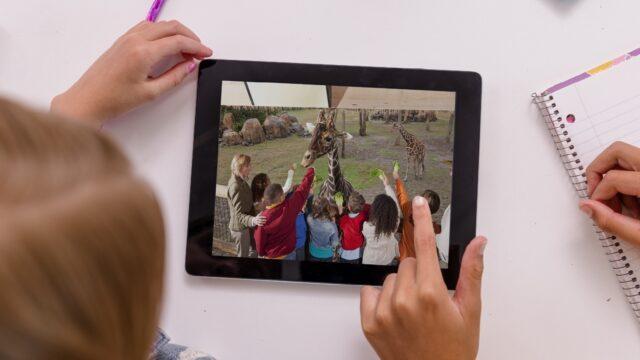
Explore the World from Your Desk: How Virtual Field Trips Expand Classroom Horizons
Imagine unlocking the sights, sounds, and wonders of our planet—all from the comfort of your classroom! In today’s digital era, virtual field trips are redefining the boundaries of education, giving students the chance to explore faraway places without ever leaving their desk. These groundbreaking learning experiences are more than just a substitute for physical trips—they’re powerful tools that inspire curiosity, foster engagement, and make global learning accessible to all.
Introduction: The New Era of Classroom Exploration
Traditional field trips have always been a staple in education,offering students a chance to connect textbook theories to real-world experiences. However,geographical,budgetary,and logistical constraints often limit these opportunities. Enter virtual field trips: immersive, interactive online adventures that bridge classroom learning with the wider world. Whether it’s a stroll through the Louvre, a dive into the Great Barrier reef, or a journey across historic landmarks, these digital excursions are transforming how students experience education.
What Are Virtual Field Trips?
virtual field trips are guided online explorations that allow students to visit museums, historic sites, natural wonders, and cultural landmarks through the internet. Leveraging platforms like Google Expeditions, National Geographic, and even video conferencing tools such as Zoom or Skype, educators can create tailored experiences that enhance curriculum and spark genuine curiosity.
Why Virtual Field Trips Matter: Key Benefits for Students and Educators
Virtual field trips not only make learning engaging—they even the playing field for all students,regardless of resources. Here’s why they’re a game changer:
- Accessibility: Available to students everywhere, overcoming geographic and financial barriers.
- Cost-Effective: Eliminate transportation and entrance fees—virtual trips are often free or low-cost.
- Safe Learning: Reduce risks associated with travel, making them ideal for all age groups and special needs.
- Curriculum Integration: Easily tie trips to lesson plans across subjects such as history, science, and art.
- Interactive Engagement: Incorporate multimedia, live Q&A sessions, and 360-degree visuals for deeper learning.
- Global Viewpoint: Foster multicultural understanding by “visiting” diverse countries and cultures.
Enhancing STEM and Arts Education
Virtual field trips aren’t just for history or geography. They excel in STEM subjects by offering hands-on science museum tours, virtual lab experiments, and live sessions with industry experts. In arts education, students can “walk” through renowned galleries and interact with artists worldwide, making creativity accessible and tangible.
Practical Tips for Implementing Virtual Field Trips
Ready to turn your classroom into a launch pad for global exploration? Follow these practical tips for a seamless virtual field trip experience:
- Curate Experiences: Select trips that align with your curriculum goals and student interests. Start with reputable sources like NASA, Smithsonian, or Finding Education.
- Test Technology: Ensure all devices, internet connections, and software work smoothly before the trip.
- Prepare Students: Share pre-trip materials; set expectations for participation, note-taking, and questions.
- Interactive Activities: Encourage students to ask live questions,participate in polls,or complete digital scavenger hunts.
- Follow-Up Lessons: Tie the experience back to classroom activities, such as essays, presentations, or group projects.
- Accessibility Needs: Choose platforms with closed captions,translations,and other accessibility features.
Recommended Virtual Field trip Platforms
- Google Arts & Culture: Virtual tours of museums, national parks, heritage sites.
- National Geographic Kids: Interactive wildlife and ecology explorations.
- Smithsonian Learning Lab: Free resources and virtual exhibits.
- Skype in the classroom: Connects students with experts and locations worldwide.
- NASA Virtual Tours: Space missions, observatories, and educational resources.
Case Studies: Real-World Impact of Virtual Field Trips
1. Connecting Urban Classrooms to Nature
At Parkside Elementary in Chicago, teachers used virtual field trips to take students on a journey through Yellowstone National Park—far beyond the city streets. Students observed geysers,discussed conservation with park rangers via video chat,and engaged in virtual wildlife spotting. teachers reported increased engagement and deeper understanding of ecological concepts.
2. exploring Art and History Around the Globe
ms. Hernandez’s middle school history class in Texas visited ancient ruins in Greece and the British Museum through virtual platforms. Students worked in teams to complete digital scavenger hunts and present findings to the class. The experience not only enriched their ancient knowledge but also fostered collaboration and digital literacy.
A First-Hand Experience: Teacher Testimonial
“Our virtual field trip to NASA brought science to life in a way textbooks never could. My students were able to interact with scientists, watch live rocket launches, and ask questions in real-time.The excitement was palpable—even the shyest students participated!”
— Mrs. Lee, 5th grade Teacher
Virtual Field Trips vs. Traditional Field Trips: A Comparative Look
| Feature | Virtual Field trips | Traditional Field Trips |
|---|---|---|
| Cost | Low to Free | High (transport, tickets) |
| Accessibility | inclusive for all students | Limited by resources/location |
| safety | no travel risks | Potential risks (travel, health) |
| Interactivity | Digital tools: Q&A, quizzes | On-site sensory experience |
| Subject Variety | Global and diverse | Local to one site |
Overcoming Challenges: Making Virtual field Trips Successful
While virtual field trips offer undeniable advantages, addressing challenges will ensure maximum impact:
- Technical Difficulties: Create backup plans for connectivity or device issues.
- Student Participation: Use engaging activities and incentives to keep learners involved.
- Digital Fatigue: Balance screen time with hands-on follow-up activities and discussions.
- Assessment: Incorporate quizzes, reflection essays, or creative projects post-trip.
Conclusion: Bringing the World to Every Learner
Virtual field trips are transforming modern education by opening doors to the world—no passport required. From solving accessibility challenges and saving costs to creating engaging, tailor-made learning experiences, these digital adventures offer teachers and students the chance to explore, discover, and connect with the globe from the classroom.
Whether you’re in a rural district, an urban school, or homeschooling from home, virtual field trips will expand classroom horizons like never before. With the right resources, a touch of creativity, and some digital know-how, you can bring unforgettable real-world learning right to your students’ desks.
Ready to embark on your next classroom adventure? Explore virtual field trip resources,connect with global experts,and transform your students into citizens of the world—one click at a time!