
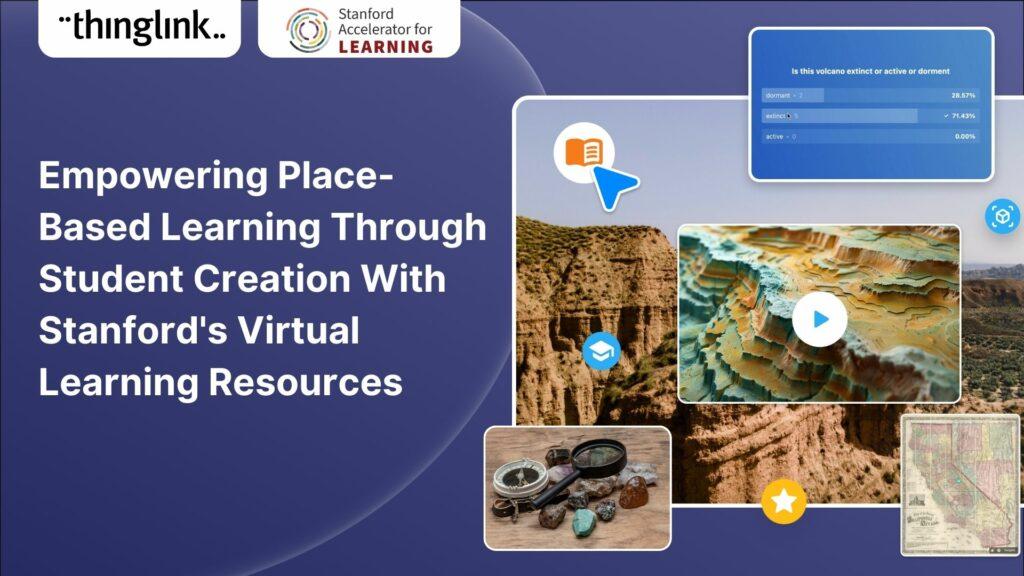
explore the World from Your Desk: How Virtual field Trips Expand Classroom Learning
Introduction: Bringing the world Into Your Classroom
In today’s rapidly evolving digital landscape,classrooms are no longer limited by four walls. Virtual field trips have emerged as a powerful educational tool, enabling students and teachers to explore global landmarks, cultural wonders, and scientific phenomena without leaving their desks. Whether you’re teaching in a traditional setting, remote classroom, or hybrid habitat, these digital experiences offer unprecedented opportunities for enriching curriculum and broadening students’ horizons. But how exactly do virtual field trips empower educators and learners? Let’s dive into the world of online exploration and discover the impact, benefits, and best practices for integrating virtual field trips into classroom learning.
What Are Virtual Field Trips?
Virtual field trips are interactive, digital experiences that transport students to sites around the globe using video conferencing, 360-degree tours, augmented reality (AR), and virtual reality (VR). From NASA’s space stations to the Louvre Museum in Paris,these accessible learning adventures are designed to support educational objectives,spark curiosity,and overcome physical or financial constraints associated with traditional excursions.
- Pre-recorded Tours: Professionally curated videos or slideshows from museums, parks, or historic landmarks.
- Live Interactive Sessions: Real-time video conferencing with guides, scientists, or subject matter experts.
- Immersive 3D/VR Experiences: use of technologies like Google Expeditions or Nearpod VR for interactive learning.
- Digital Resource libraries: online collections of artifacts, educational games, or collaborative projects.
Benefits of Virtual Field Trips for Classroom Learning
Integrating virtual field trips into classroom lessons provides myriad academic and developmental advantages. Here are key benefits that make these experiences invaluable:
1. global Access and Inclusivity
- Visit worldwide locations nonetheless of budget or geography.
- Include students with mobility issues or other accessibility needs.
- Offer equitable learning for remote or rural classrooms.
2. enhanced Student Engagement
- Interactive features promote active participation.
- Gamification and quizzes increase motivation.
- Real-world connections boost student curiosity and retention.
3. Cross-curricular Integration
- Easily blend science,history,geography,and art lessons.
- connect classroom topics to authentic experiences.
- Foster interdisciplinary projects and collaborative learning.
4. Budget-Amiable Learning Solutions
- Significantly lower costs compared to traditional field trips.
- Many platforms offer free digital tours and resources.
5. Real-time Collaboration and Social Learning
- facilitate student discussions and teamwork from anywhere.
- Connect with peers worldwide thru group projects or live Q&A.
Popular Platforms for Virtual Field Trips
Several top-tier platforms and resources enable educators to host memorable virtual field trips. Here are a few highly recommended options:
- Google Arts & Culture: Free virtual tours of museums, past sites, and natural wonders.
- skype a Scientist: Connects classrooms with real scientists for interactive Q&A sessions.
- Finding Education: Offers a variety of digital field trips tailored across subject areas.
- National Park Service: Explore natural parks and historic locations virtually.
- Nearpod VR: Immersive, curriculum-aligned virtual reality experiences.
Practical Tips for Planning Triumphant Virtual Field Trips
To maximize the educational impact of virtual field trips, consider these practical strategies:
- Select Age-Appropriate Content: Choose tours and experiences that match your students’ grade level and interests.
- Integrate with Lessons: Connect the experience to classroom curriculum—use pre- and post-trip activities.
- Test Technology in Advance: Ensure devices, internet connection, and web platforms function properly prior to the trip.
- Encourage Active Participation: Prepare questions, discussion guides, and assignments related to the trip.
- Follow Up With Reflection: Have students share insights, write reports, or create presentations based on their experience.
Case Studies: Real Classroom Success Stories
Schools across the globe are leveraging virtual field trips to unlock transformative learning outcomes. Here are two real-world examples:
Example 1: Exploring the Great Barrier Reef
A fifth-grade class in Ohio participated in a live, interactive dive with marine biologists off Australia’s Great Barrier Reef. Students used tablets to follow the divers and ask questions in real time. The trip sparked a week-long project about ecosystems and endangered species, culminating in student-made documentaries.
Example 2: Visiting the Egyptian Pyramids via Google Expeditions
Middle school history students in a rural district used Google Expeditions to “walk” around the pyramids of Giza, exploring ancient artifacts and architectural techniques. Teachers reported increased enthusiasm, better retention, and deeper contextual understanding of ancient civilizations.
First-Hand Experiences: Voices from Educators and Students
“Our virtual field trip to Ellis Island made immigration history come alive. Students were able to see original documents and interview guides. It was authentic, personal, and powerful.”
— Ms. Carter, 8th Grade Social Studies Teacher
“I never thought I’d get to watch a volcano erupt live! It was the coolest science lesson ever.”
— Miguel, 6th Grade Student
Overcoming Challenges When Using Virtual Field Trips
While virtual field trips offer outstanding advantages, educators may encounter some obstacles. here are quick solutions:
- Technology Limitations: Use platforms compatible with common devices; download materials for offline use.
- student Engagement: Plan interactive tasks and hands-on activities before, during, and after the trip.
- Curriculum Alignment: Select trips tied directly to learning goals and outcomes.
- Privacy and Security: Ensure platforms are safe, compliant, and protect student data (especially for live sessions).
Conclusion: Expanding Possibilities for Modern Education
As technology continues to revolutionize classroom learning,virtual field trips empower students to become global citizens—all while remaining comfortably seated at their desks. These digital experiences break through traditional educational barriers, engage learners across disciplines, and cultivate a lasting love of exploration and discovery. By thoughtfully integrating virtual field trips into your teaching strategy, you’ll create more inclusive, memorable, and effective learning journeys for every student in your classroom.
Are you ready to explore the world from your desk? Start planning your next virtual field trip today and see firsthand how digital adventures can transform learning outcomes—for you and your students!