
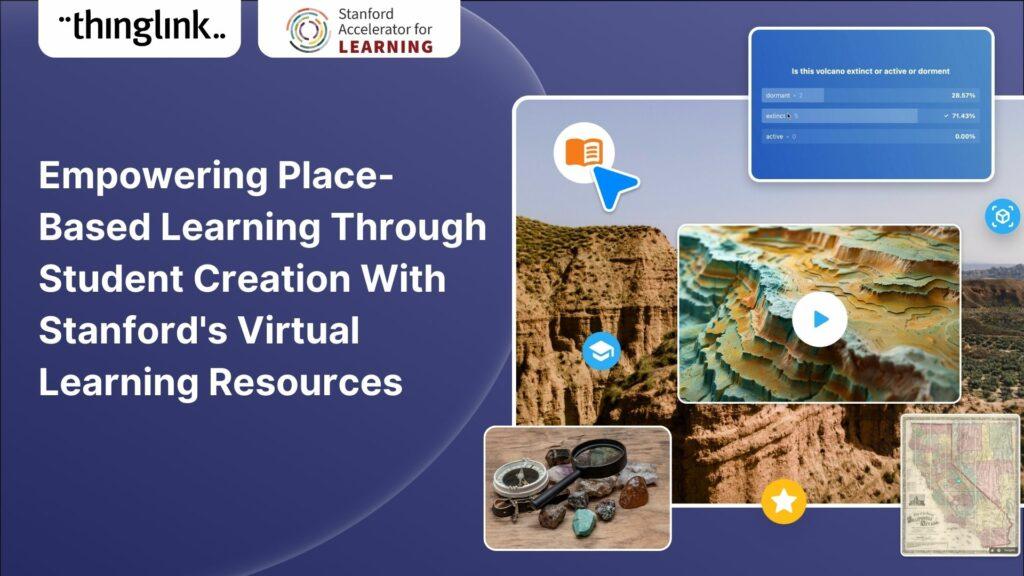
Explore the World with Virtual Field Trips: How Classrooms Are Expanding Horizons Online
Introduction: The Digital Transformation of Field Trips
Field trips have long been a staple of education, offering students hands-on learning and a chance to see textbook lessons come alive. today, thanks to technology, the landscape of educational exploration is evolving at a rapid pace. Virtual field trips are transforming classrooms, enabling students and teachers to experience museums, past sites, science labs, and far-off ecosystems—all from the comfort of their desks. in this article, we’ll delve into how virtual field trips for classrooms are expanding educational horizons, discuss their benefits, share practical tips for teachers, and highlight real-life examples of engaging online excursions.
What Are virtual Field Trips?
Virtual field trips are digitally facilitated journeys that simulate the experience of visiting a location in person. Using video conferencing, 360-degree imagery, interactive web tools, or augmented reality, these trips transport students to destinations ranging from the Louvre in Paris to the coral reefs of Australia. Whether live-guided or pre-recorded, virtual tours can be customized to support learning objectives and curricula.
- Live virtual field trips: Interactive tours with real-time guides or educators.
- Pre-recorded field trips: on-demand experiences offering versatility and self-paced exploration.
- Interactive learning modules: Games, quizzes, and activities embedded within virtual environments.
- Augmented and virtual reality field trips: Immersive experiences for engaging student participation.
Benefits of Virtual Field Trips in Education
Virtual field trips are more than just a workaround for travel restrictions—they offer unique educational benefits not always possible through conventional means:
- Accessibility: Students from rural or underserved communities can access destinations once deemed unachievable due to distance or cost.
- Inclusivity: Virtual experiences accommodate diverse learners, including students with disabilities or those with medical needs.
- Budget-friendly: Schools save on transportation, tickets, and logistical expenses.
- Safety and convenience: No need to secure permission slips or arrange chaperones.Students participate safely from the classroom or home.
- Customizable content: Trips can be tailored to match curriculum standards across various grade levels and subjects.
- Global reach: Explore world-famous landmarks, international cultures, and rare scientific phenomena—without leaving campus.
- Engagement and interactivity: Use of videos, games, and live Q&A sessions keeps students motivated and participatory.
“With virtual field trips, curiosity truly knows no bounds. Our students visited the International space Station and chatted live with astronauts—all before lunch!” — Ms.Williams, 5th Grade Teacher
Popular Platforms and Tools for virtual Field Trips
There are several trusted platforms and resources that bring virtual field trips to life. A few favorites among educators include:
- google Arts & Culture: Explore virtual museum tours, UNESCO sites, and cultural treasures worldwide.
- Revelation Education: offers interactive video-based excursions in partnership with leading institutes.
- National Geographic Explorer Classroom: Connect live with scientists and explorers at the front lines of research.
- Skype a Scientist: Arrange real-time virtual visits from professional scientists directly into your classroom.
- Smithsonian National Museum of Natural History: Take 3D virtual tours of the museum’s exhibits and collections.
- Virtual Reality Expeditions: Tools like google Expeditions enable immersive AR/VR learning adventures.
These platforms make it easy for teachers to find age-appropriate,curriculum-aligned experiences across STEM,history,art,and more.
Real-Life Case Studies: Success Stories from the Classroom
Let’s take a closer look at how educators are integrating virtual field trips into their teaching:
- Historic Adventures: At Lincoln Middle School, 7th graders used Google Earth to walk the streets of ancient Rome, learning about architecture, culture, and daily life through interactive 3D exploration.
- Science in Action: A rural elementary class in Nebraska participated in a live stream from the Monterey Bay Aquarium, observing marine biologists and engaging in a Q&A about ocean conservation—all without leaving their town.
- Global Connections: Through National Geographic’s Explorer Classroom,students in Texas connected with conservationists in africa,sparking discussions about wildlife and the importance of global environmental efforts.
“Students engaged far beyond expectations. They asked thoughtful questions during our virtual art museum tour and later created their own masterpieces inspired by what they saw.” — Mr. Patel, Art Educator
Tips for making the Most of Virtual Field Trips
To ensure your virtual field trip is both educational and memorable, consider these practical tips:
- Plan ahead: Review the field trip content and align it with classroom lessons and objectives.
- Set expectations: Discuss behavior, participation, and technology guidelines with students beforehand.
- Engage students: prepare guiding questions,scavenger hunts,or post-trip activities to reinforce learning.
- Test technology: Ensure all devices, internet connections, and necessary software are working smoothly.
- Encourage reflection: Have students share their favorite moments or complete creative assignments after the trip.
Virtual Field Trips for Homeschoolers and Distance Learning
virtual field trips offer tremendous value for homeschool families and students engaged in distance or hybrid learning.These online experiences can be tailored to individual interests and schedules, fostering independent research skills and global awareness. Many platforms provide free or low-cost options, making world-class content accessible to everyone.
Addressing Challenges: Maximizing Online Learning opportunities
While virtual field trips provide significant advantages, educators may face some challenges:
- Screen fatigue: Balance virtual trips with hands-on, offline activities.
- Technical difficulties: Offer tech support and backup plans,such as pre-recorded tours for asynchronous learning.
- Engagement: Use active learning strategies—interactive polls, breakout discussions, or collaborative digital projects.
Addressing these concerns helps maximize the impact of virtual field trips,ensuring all students benefit from rich,meaningful experiences.
Conclusion: The Future of Exploration in the Digital Age
As classroom walls become more porous, the adventure of learning extends far beyond the school building. Virtual field trips empower educators to enrich lessons, accommodate diverse learners, and connect students to the wider world in new and exciting ways. From ancient civilizations to space missions, the possibilities are endless—limited only by imagination and an internet connection.Embracing virtual field trips ensures that curiosity and wonder remain at the heart of education, no matter where a classroom is located.
Ready to explore the world with virtual field trips? Bring global adventures directly to your students, and watch understanding, empathy, and excitement for learning flourish in your classroom!