
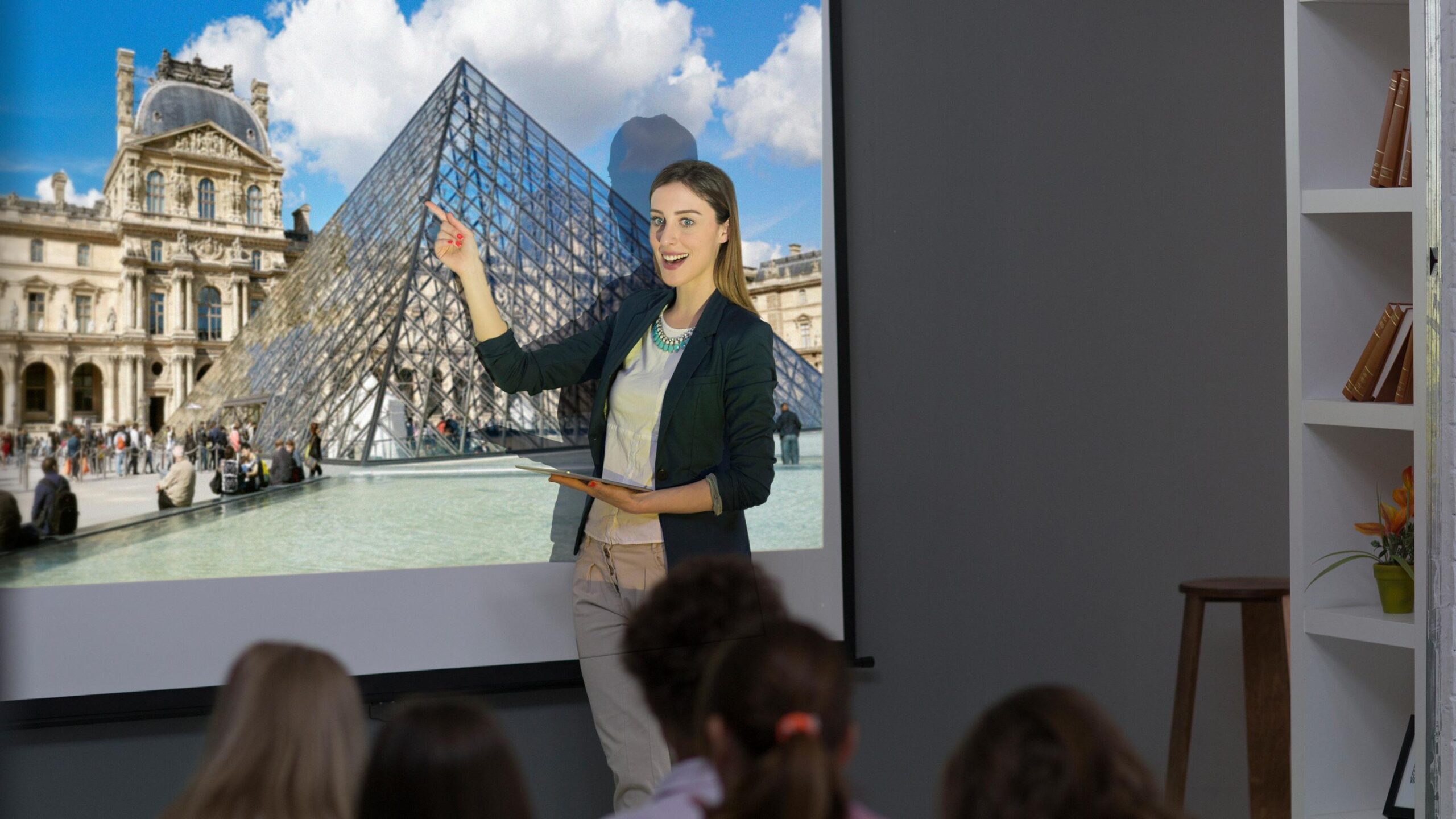
Explore Virtual Field Trips: How Classrooms Expand Horizons Without Traveling
In today’s ever-evolving education landscape, the concept of virtual field trips is captivating teachers and students alike. These exciting online experiences offer classrooms the chance to explore museums, nature reserves, ancient monuments, and even outer space—all without leaving their desks. Virtual field trips open up a world of immersive learning opportunities and help schools overcome the logistical and financial challenges of traditional excursions. In this article, we’ll dive deep into what virtual field trips are, their benefits, practical tips for implementation, real classroom experiences, and more. Let’s discover how classrooms can expand horizons without traveling!
What Are Virtual Field Trips?
Virtual field trips are interactive and multimedia-rich educational journeys, delivered through the internet. These experiences use live video streams, 360-degree images, augmented reality (AR), virtual reality (VR), and online activities to transport learners to locations and environments they might not or else get to visit. With virtual excursions, students can walk through the Louvre Museum, witness active volcanoes, or observe life under the ocean in real time—all from the comfort and safety of their classrooms.
- live virtual Field Trips: Real-time video tours led by experts, frequently enough with interactive Q&A sessions.
- Pre-recorded Tours: High-quality prerecorded walks through museums, parks, or factories.
- Virtual Reality field Trips: Immersive VR experiences, sometimes requiring headsets.
- Interactive Simulations: Students engage with interactive maps,models,and quizzes.
Benefits of Virtual Field Trips for Classrooms
The advantages of digital field trips go beyond simple convenience. Teachers and students worldwide are recognizing the multiple benefits of adding virtual educational experiences into their curriculum.
1. Accessibility for All Students
- Break down geographical and financial barriers to learning experiences.
- Inclusion for students with disabilities or mobility challenges.
- No need for expensive bus rides, lunches, or permissions slips.
2.Expanding Curriculum Horizons
- Take students to international destinations, historical landmarks, and scientific sites.
- Support STEM, arts, culture, and history lessons with immersive content.
- Engage students in real-world learning far beyond textbook pages.
3. interactive and Personalized Learning
- Adapt trips to suit different grade levels and learning objectives.
- Students can ask questions and participate during live virtual tours.
- Develop critical thinking and digital literacy skills.
4. Cost-Effectiveness
- Save funds typically spent on travel, entry fees, and accommodation.
- Invest in other classroom resources and enrichment programs.
5. Safety and Adaptability
- Eliminate risks associated with physical field trips (injuries, lost students).
- Flexibility for scheduling trips anytime during the school year.
- Especially valuable during pandemics or when travel is restricted.
How to Organize a Virtual Field Trip: Practical Tips for Teachers
Organizing successful virtual field trips for students requires a thoughtful approach. Here’s how educators can make digital excursions memorable and educational:
- Define Learning Objectives: Clarify what you want students to learn from the trip and tie it to curriculum standards.
- Choose Reliable Platforms: Select trusted providers like Google Arts & Culture, Finding education, National Geographic, or museum-specific websites.
-
Prepare Students in Advance:
- Introduce the destination and topic beforehand.
- Share key vocabulary and concepts.
- Discuss expected behaviors and digital etiquette.
-
Incorporate Interactivity:
- Select experiences with quizzes,chat features,or guided activities.
- Provide opportunities for students to ask questions.
- Follow Up with Reflection: Assign creative tasks (write-ups, presentations, or art projects) to reinforce learning after the trip.
Popular virtual Field Trip Destinations
| Destination | subject Focus | Provider |
|---|---|---|
| Smithsonian Museums | History, Science, Art | Smithsonian Learning Lab |
| NASA space Center | STEM, Astronomy | NASA Virtual Tours |
| Aquarium of the Pacific | Marine Biology | Aquarium Virtual Field Trips |
| Google Arts & Culture | Art, World Heritage | |
| Yellowstone National Park | Geology, Ecology | national Park Service |
Case Study: Virtual Field Trip Success Story
Case Study: Ms. rodriguez, a fifth-grade teacher in Chicago, wanted her students to explore the ancient Roman civilization for their history unit. Travel was out of the question, so she booked a live virtual tour of the Roman Colosseum provided by a reputable online museum partner.
- The interactive guide offered real-time answering of student questions.
- Students completed digital scavenger hunts inside the virtual 3D site.
- Post-trip, students created dioramas and reports based on their virtual observations.
Ms.Rodriguez noted increased student enthusiasm, improved engagement, and deeper understanding of the material.Moreover, every student participated, regardless of financial means or ability.
First-Hand Student Experiences: Voices from the Classroom
“I loved seeing the paintings in the Louvre so close up—even the tiny details! It felt like I was right there in Paris.”
– Jasmine, Grade 4
”Our class went underwater with scientists and learned how coral reefs grow. I asked them questions and got answers fast!”
– Tyler, Grade 6
Tips for Making Virtual Field Trips Unforgettable
- Combine with Offline Activities: Enhance the trip by adding hands-on crafts, experiments, or written reflections.
- Encourage Student Leadership: Let students act as hosts,question-askers,or trip photographers (screen capture for presentation).
- Integrate Technology Thoughtfully: Use tablets, VR headsets, or smart boards to foster collaboration.
- Track Engagement: Use polls and quizzes to check understanding and participation throughout the trip.
- Solicit Feedback: After the trip, discuss what worked, what could be improved, and favorite moments.
Overcoming Challenges in Virtual Field Trips
- Technology Access: Ensure all students have devices and reliable internet. Utilize school resources or apply for educational grants when needed.
- Screen Fatigue: Mix screen time with breaks, movement, and group discussions.
- Hands-On Engagement: Link digital trips with real objects, samples, or experiments in class.
Future of Learning: The Role of Virtual Field Trips in modern Classrooms
Virtual field trips are set to become even more integral as technology improves. With the rise of augmented and virtual reality,global partnerships,and high-speed internet,virtual excursions continually broaden educational access. Schools can expect even more diverse destinations and interactive learning options for students of all ages and backgrounds.
Conclusion: Empowering Students Through Virtual Field Trips
The digital revolution in education is empowering students to become global citizens, curious thinkers, and lifelong learners. Virtual field trips are a powerful tool for expanding classroom horizons—cultivating curiosity, diversity, and engagement without the typical constraints of physical travel. As schools, teachers, and parents embrace these experiences, students can truly explore the world from wherever they are. Make your next lesson unforgettable: try a virtual educational adventure and watch your classroom horizons expand!