
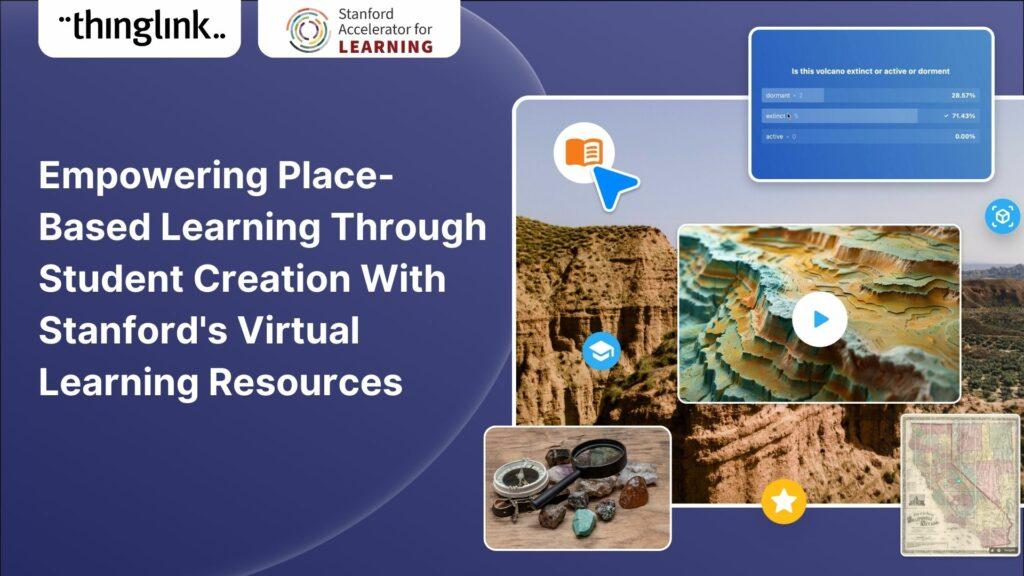
Explore Virtual Field Trips: How Technology Expands Learning Beyond the Classroom
In recent years, technology has transformed nearly every aspect of our lives, and education is no exception. Among the most exciting innovations is the concept of virtual field trips,which enable students to explore distant locations,historical sites,museums,and even outer space—all without leaving their classrooms. Virtual field trips harness the power of interactive digital experiences to expand learning opportunities, making geography, culture, science, and history come alive for learners of all ages. In this article, we’ll dive into how technology powers virtual field trips, discuss the benefits, share practical tips, and explore the leading platforms that help educators and students make the most of these 21st-century adventures.
What Are Virtual Field Trips?
Virtual field trips are interactive, multimedia experiences that use technology to transport students to locations beyond their immediate reach. These digital journeys often use tools such as:
- High-definition video tours
- 360-degree panoramic images
- virtual and augmented reality (VR/AR) environments
- Live-streamed events with experts
- Interactive quizzes and activities
By leveraging the internet and modern devices, virtual field trips for students offer a safe, cost-effective, and highly engaging way to supplement customary classroom learning.
Benefits of Virtual Field Trips in Education
Integrating virtual field trips in education comes with a host of advantages for teachers and learners alike. Here’s why educational institutions are increasingly embracing this innovative approach:
- Accessibility: Students can visit places they might never otherwise see due to geographical, financial, or physical limitations.
- Engagement: Interactive media, quizzes, and live Q&A sessions help spark curiosity and maintain students’ attention.
- Personalized Learning: learners can explore at their own pace and focus on areas that interest them the most.
- Curriculum Integration: Teachers can align trips with specific learning objectives across subjects like science, history, and geography.
- Cost Savings: Virtual field trips eliminate travel and admission fees, making them a budget-amiable solution for schools.
- Safety: There are no logistical or safety risks associated with traditional excursions.
How Technology Powers Virtual Field Trips
At the heart of the virtual field trip experience is a collection of modern technologies working seamlessly together. Here’s a look at the technical side:
- Virtual Reality (VR): Devices like Oculus Rift or Google Cardboard immerse students in 360-degree environments—from the Great Wall of China to the forests of the Amazon.
- Augmented Reality (AR): Apps overlay digital information onto the real world, providing interactive guides and context within the classroom.
- Video Conferencing: Platforms such as Zoom or Microsoft Teams facilitate live interactions with field experts, museum guides, and even astronauts!
- Multimedia Content: High-resolution images, recorded videos, and interactive diagrams bring lessons to life.
- Educational Software & LMS Integration: Tools like Google Expeditions and Nearpod allow for easy integration with lesson plans and student tracking.
These technologies make virtual exploration scalable and adaptable for classroom use or remote learning environments.
Popular Platforms and Resources for Virtual Field Trips
Here are some leading virtual field trip platforms every educator should consider:
- Google Arts & Culture: Offers access to thousands of museums, historic sites, and national parks via 360-degree tours.
- National Geographic Explorer Classroom: Live broadcast sessions and interactive Q&A with scientists and explorers.
- discovery Education: Rich virtual field trips library across subjects and grade levels.
- Smithsonian National Museum of Natural History: Stunning virtual walk-throughs of exhibits and learning materials.
- Virtual Field Trips LLC: Subscription-based field trips covering science, social studies, arts, and more.
- Nearpod VR: Curated lessons integrated with virtual reality experiences.
Many of these resources can be accessed for free or at a minimal cost, making virtual learning experiences both expansive and inclusive.
Practical Tips for Accomplished Virtual Field Trips
- Set clear Learning Goals: Define what you want students to learn or achieve before the trip begins.
- Prepare Students: Provide background information and generate excitement by previewing the trip’s highlights.
- Facilitate Interaction: Encourage questions, discussions, and interactive activities during the experience.
- Integrate with Curriculum: Tie the virtual tour to existing lessons and assign follow-up projects or reflections.
- Test Technology in Advance: Ensure all devices and internet connections are compatible and functioning.
- Collect Feedback: Ask students what they enjoyed and where they’d like to “travel” next for continuous advancement.
Case Study: A Virtual Trip to NASA’s Johnson Space Center
At Lincoln Middle School,eighth-grade science teacher Mrs.Santiago introduced her class to the wonders of space exploration with a virtual field trip to NASA’s Johnson Space Center.
- preparation: Students researched space travel basics before the event.
- the Experience: Using live-streamed sessions and 3D models, students toured Mission Control and met a NASA engineer via video conference.
- follow-up: Learners wrote journal entries as if they were astronauts prepping for a mission, integrating their newfound knowledge.
Feedback from both students and parents highlighted increased interest in science and technology careers, showcasing the impact of immersive digital experiences on student motivation.
First-Hand Experiences: Voices from the Classroom
“I never thought I’d see the inside of a volcano, but the virtual tour made it feel real! I learned so much and it was fun to ask questions live.”
— Daniel, 5th Grade Student
“With virtual field trips, I can bring the world into my classroom—even on a tight budget. My students are more curious, engaged, and eager to learn.”
— Ms. Patel,Elementary School Teacher
How to Get Started with Virtual Field Trips
Ready to take your students on a journey around the world—or the universe? Here are a few steps to begin incorporating virtual field trips into your teaching:
- Explore Free Resources: Start with platforms like Google Arts & Culture or Smithsonian’s digital museums.
- Choose the Right Technology: Determine whether your classroom setup supports VR headsets, tablets, or just standard computers.
- Plan Collaboratively: Involve students in deciding where to “travel” and what to explore next.
- Connect with Experts: Reach out to science centers, museums, or wildlife organizations offering live virtual sessions.
- Reflect and Share: Encourage students to present their findings or creative projects inspired by their digital journeys.
conclusion: Expanding Horizons with Virtual Field Trips
The future of education is more connected, interactive, and dynamic than ever before. With virtual field trips, educators can transcend the traditional boundaries of the classroom, offering students unparalleled access to new environments, cultures, and knowledge. whether you’re looking to ignite scientific curiosity, foster global citizenship, or enhance engagement in any subject, virtual field trips are a powerful tool in the modern teacher’s toolkit. By harnessing technology, we can inspire the next generation of learners—one “trip” at a time.