
Exploring Future Directions for SEL in Schools: Innovations and best Practices
Social and emotional Learning (SEL) is rapidly gaining traction as an essential component of education systems worldwide. As the challenges of the 21st century continue to evolve, so to must the strategies and tools educators use to prepare students for success.In this comprehensive guide, we’ll explore the future directions for SEL in schools, diving into the latest innovations, best practices, and real-world case studies that highlight the transformative power of SEL.
What is Social and Emotional Learning (SEL)?
Social and Emotional Learning (SEL) refers to the process through which individuals acquire and effectively apply the knowledge, attitudes, and skills necessary to understand and manage emotions, set and achieve positive goals, feel and show empathy, establish and maintain positive relationships, and make responsible decisions.
SEL frameworks,such as the collaborative for academic,Social,and Emotional Learning (CASEL) model,have outlined five core competencies:
- Self-awareness
- Self-management
- Social awareness
- Relationship skills
- Responsible decision-making
Why Future-Ready SEL Matters: Key Benefits
Implementing SEL in schools is no longer just a trend—it’s a necessity. With technological advancements,diverse classrooms,and global challenges,SEL equips students with critical life skills,supporting both academic performance and overall well-being. Key benefits include:
- Improved academic outcomes – Students engaged in SEL programs often perform better academically.
- Enhanced emotional well-being – SEL nurtures resilience, confidence, and self-regulation skills.
- Stronger relationships – Improved empathy and interaction foster positive peer and teacher relationships.
- Reduced behavioral issues – SEL interventions are linked to lower suspension rates and fewer classroom disruptions.
- long-term success – SEL lays the foundation for effective workforce and civic participation.
Innovations Shaping the Future of SEL in Schools
As educators and policymakers look ahead, several innovations are poised to revolutionize SEL implementation. here are the moast promising trends:
1. Technology-Enhanced SEL
- SEL apps and platforms: Platforms like ClassDojo and Peekapak help educators teach SEL concepts efficiently and interactively.
- AI-driven personalization: Artificial Intelligence can help tailor SEL lessons to individual student needs, providing real-time feedback and support.
- Virtual reality (VR): VR experiences immerse students in scenarios that build empathy, conflict resolution, and perspective-taking skills.
2. Trauma-Informed SEL Approaches
Recognizing the impact of trauma on learning, future-ready SEL integrates trauma-informed practices, ensuring a safe, supportive, and inclusive environment where all students can thrive.
3.Whole-School SEL integration
The most impactful SEL strategies encompass the entire school culture, involving all staff, families, and the community. This future direction emphasizes:
- Embedding SEL in school policies and practices
- Ongoing professional development for educators
- Family engagement in SEL activities and decision-making
4. Culturally Responsive SEL
Future SEL embraces diversity by integrating culturally relevant principles and honoring students’ backgrounds,identities,and experiences.
5. Data-Driven SEL Assessment
New digital tools allow educators to track SEL growth, monitor progress, and make informed decisions about curriculum adjustments.
Best Practices for Implementing SEL in Schools
to maximize the benefits of SEL and stay ahead of emerging trends, educators can incorporate the following best practices:
- Start early and scaffold skills – Introduce SEL concepts in early grades and build complexity over time.
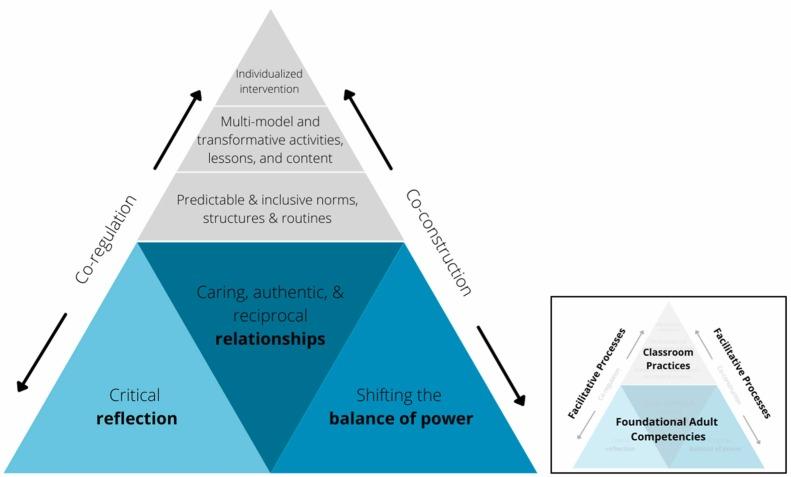
- Focus on adult SEL – Equip teachers and staff with SEL competencies, as adults who model these skills reinforce student learning.
- Integrate SEL into academics – Weave SEL into subjects like language arts, science, and math for a holistic learning experience.
- Empower student voice and choice – Involve students in developing SEL initiatives and encourage their feedback.
- Engage families and communities – Extend SEL learning beyond the classroom by partnering with families and local organizations.
- Regular assessment and reflection – use surveys, observations, and digital platforms for ongoing evaluation and improvement.
Case Studies: Innovative SEL Programs in action
CASEL’s Districtwide SEL Implementation (Chicago Public Schools)
Chicago Public Schools, guided by the CASEL framework, developed a districtwide SEL initiative. By prioritizing SEL in school improvement plans, training staff, and involving families, the district reported higher attendance rates, increased graduation rates, and improved school climate.
The RULER Approach (Yale Center for Emotional Intelligence)
The RULER program introduces evidence-based tools for recognizing, understanding, labeling, expressing, and regulating emotions. Studies found that schools using RULER saw increased emotional intelligence, greater empathy among students, and lower instances of bullying.
Using Technology: Peekapak’s Digital SEL Program
Peekapak offers a game-based, story-driven SEL curriculum accessible online. One district reported a 27% reduction in behavioral incidents and higher student engagement after implementing Peekapak.
practical Tips for Educators and School Leaders
- Stay informed: Participate in SEL webinars, conferences, and workshops to keep abreast of the latest research and tools.
- Collaborate: Create SEL leadership teams within schools to drive sustainable change.
- Prioritize well-being: Foster a supportive atmosphere for both students and staff, recognizing the importance of mental health.
- Celebrate success: Regularly share SEL success stories with the school community to build enthusiasm and commitment.
- Use data: Leverage assessment tools to track SEL outcomes and guide program improvements.
First-Hand Experience: Insights from an SEL Coordinator
“In my five years as an SEL coordinator, I’ve seen firsthand the positive impact SEL has on school culture and student outcomes. By involving families, regularly adapting to feedback, and connecting SEL to academic goals, our students became more engaged and staff reported higher job satisfaction. Embracing innovation—and listening to student voices—has been key to our ongoing success.”
— Maria L.,SEL Coordinator
conclusion: Building Future-Ready Schools through SEL
The future of Social and Emotional Learning in schools is brighter than ever,thanks to technological advancements,a growing body of research,and a commitment to creating nurturing learning environments. By embracing innovative SEL strategies, adopting best practices, and prioritizing the well-being of both students and educators, schools can help prepare learners for academic success and meaningful, resilient lives.
As education continues to evolve, so must our approach to SEL. The journey toward equitable,effective,and future-ready SEL is ongoing,but with collaboration and innovation,we can create schools where every student flourishes—academically,emotionally,and socially.