
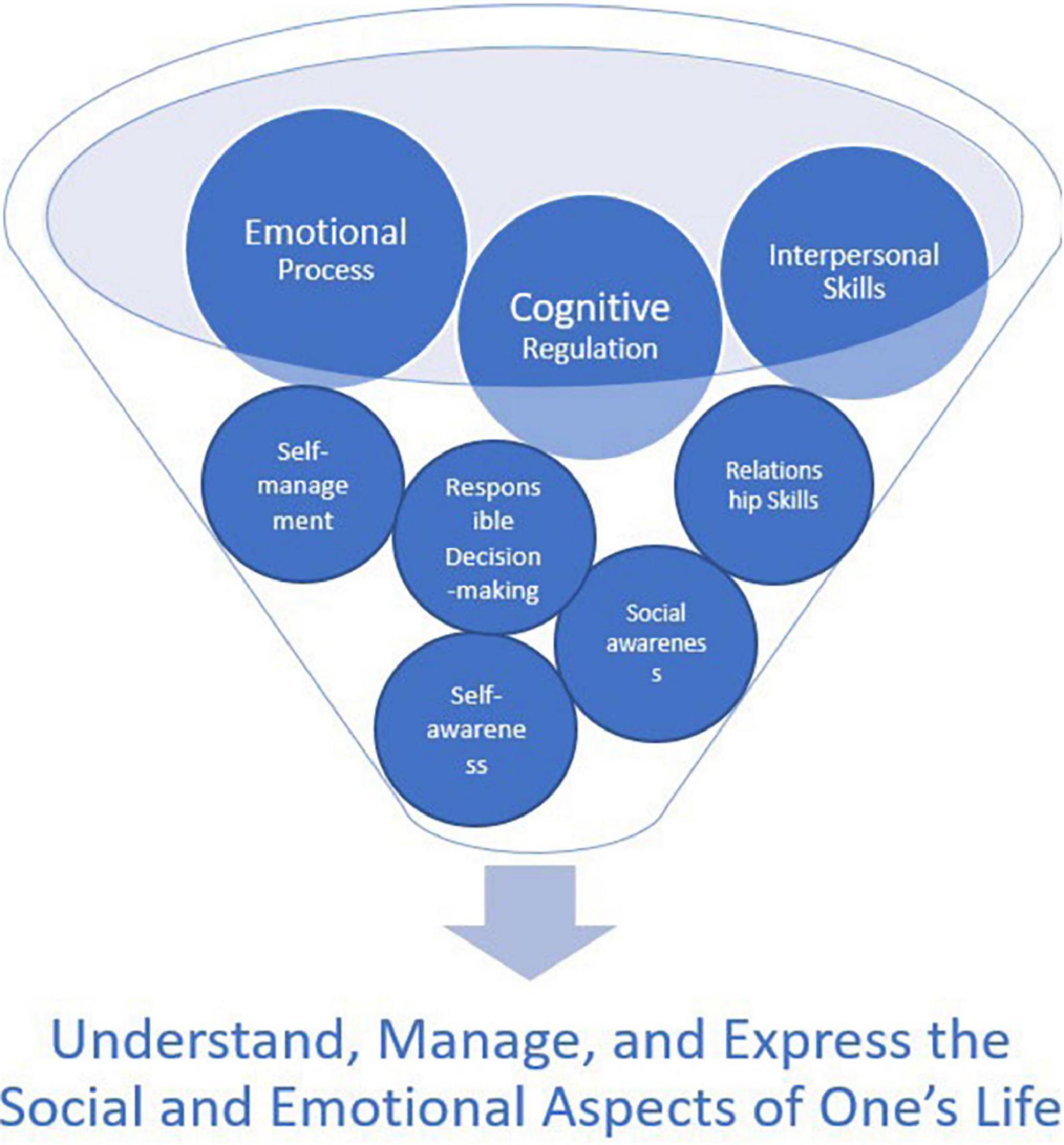
Exploring Future Directions for SEL in Schools: Innovations and Strategies for Success
Introduction: Embracing the Evolution of Social and Emotional Learning (SEL)
In today’s rapidly changing educational landscape, Social and Emotional Learning (SEL) has become a cornerstone for fostering healthy growth in students.From improving academic outcomes to nurturing resilient, empathetic citizens, the benefits of SEL in schools are undeniable.Yet, as new technology and pedagogical insights arise, educators and administrators seek innovative approaches and strategies for success. This article explores the future directions for SEL in schools—highlighting emerging trends, practical implementation tips, benefits, and compelling success stories. Whether you’re a curriculum designer, school leader, or teacher, these insights can guide your journey towards a more impactful SEL program.
Why SEL Matters: key Benefits for Students and Schools
The impact of SEL initiatives extends far beyond classroom walls.Schools that prioritize social and emotional learning reap measurable improvements in academic achievement,mental health,and community relationships.Here are some widely acknowledged benefits:
- Improved Academic Outcomes: SEL helps students develop focus, self-motivation, and problem-solving skills—key attributes for academic success.
- Enhanced Emotional well-being: By nurturing self-awareness and emotional management, SEL reduces anxiety and promotes personal growth.
- Better Classroom behavior: SEL curbs disruptive behavior, encouraging cooperation, respectful communication, and positive social interactions.
- Long-Term Life Skills: Early SEL instruction equips students with skills such as resilience, empathy, and conflict resolution for lifelong development.
- inclusive School Culture: SEL fosters environments where diversity and individual differences are respected and embraced.
“decades of research demonstrate that the integration of SEL into school curricula dramatically improves both academic performance and overall student well-being.”
— Collaborative for Academic, Social, and emotional Learning (CASEL)
The Future of SEL: Innovative Approaches and Trends
As education evolves, SEL must also adapt to address new challenges and opportunities. Here are some groundbreaking trends shaping the future of social and emotional learning in schools:
1.Integrating Technology in SEL Programs
Digital platforms and applications now offer interactive, personalized SEL experiences. AI-driven tools can analyze students’ emotional states through gamified learning, feedback systems, and virtual role-playing scenarios. Notable innovations include:
- SEL Apps: Mobile apps such as Peekapak and Classcraft encourage daily reflection and behavior tracking.
- virtual Reality (VR): Immersive VR environments help students practice social interactions and conflict resolution in safe, controlled settings.
- Online Communities: Digital forums and collaborative platforms connect students and educators, enabling real-time support and resource sharing.
2. Culturally Responsive SEL
Future SEL programs are increasingly attuned to diversity and inclusivity. By incorporating culturally responsive teaching practices, educators honour students’ backgrounds, creating relatable and equitable learning experiences. Key strategies include:
- Using diverse stories and materials for SEL lessons
- Encouraging multilingual discussions and storytelling
- Addressing social justice topics through SEL frameworks
3. Embedded SEL Across the Curriculum
Rather than isolated lessons, SEL is becoming an integral part of core subjects such as math, science, and literacy. This cross-curricular approach reinforces social-emotional concepts in varied contexts, enhancing retention and request.
- Collaborative STEM projects to teach teamwork and resilience
- Literature studies with a focus on empathy and perspective-taking
- problem-based learning to build critical thinking and self-management
4.Family and Community Engagement
Successful SEL implementation increasingly depends on extending learning beyond the classroom.Schools are partnering with families and local organizations to create holistic SEL environments. Popular strategies include:
- Parent workshops focusing on SEL strategies at home
- Community service programs to build empathy and social responsibility
- Family-kind SEL nights and events that reinforce classroom lessons
Practical Strategies for Scaling SEL Programs
To maximize the impact of SEL, schools need a clear plan for implementation and scalability. The following practical tips can guide leaders and educators in building robust, future-ready SEL initiatives:
- Start Small and Build: Initiate pilot programs in select classrooms before expanding school-wide. Track outcomes and gather feedback.
- Leverage Data and Assessments: Use digital assessments and analytics to measure progress, identify gaps, and personalize support.
- Invest in Professional Development: Ensure ongoing SEL training for teachers, administrators, and support staff. Build teams of SEL champions.
- Create Flexible, Inclusive Frameworks: Design programs that adapt to diverse learners and classroom contexts.
- Collaborate With Stakeholders: Involve students, families, and community leaders in the planning and refinement process.
Case Studies and Success Stories
Real-world examples illustrate the transformative power of innovative SEL strategies. Here are just a few standout case studies:
Case Study 1: Urban Public school District—tech-Enhanced SEL
A large urban district implemented a district-wide SEL app that facilitated daily emotional check-ins and provided resources for self-regulation. After one year:
- Suspensions dropped by 25%
- Students showed a 40% increase in positive peer interactions
- Teacher stress levels decreased, according to survey data
Case Study 2: Rural Elementary—Cross-Curricular SEL Integration
In a small rural elementary school, educators embedded SEL themes into science and art projects.Students worked on collaborative research, expressed emotions through art, and reflected on learning. Results included:
- Improved student engagement and attendance
- Higher empathy and perspective-taking in peer interactions
- Stronger student-teacher relationships
First-Hand Experience: Educator Insights
Teachers at the forefront of SEL innovation share valuable lessons from their classrooms:
“Combining SEL with project-based learning brought my students together. I saw quieter kids open up, and teamwork became our class strength.”
— Maria L., Middle School Teacher
“SEL apps gave me the tools to track and support the emotional needs of my students in real time. It’s made my interventions much more targeted and effective.”
— James P.,Elementary School Counselor
Overcoming Challenges in Future SEL Implementation
While SEL offers compelling advantages,schools may encounter obstacles on the path to innovation. Common challenges and solutions include:
- Limited Funding: seek grants, partner with local organizations, and explore community fundraising options.
- Teacher Burnout: Provide workload support, peer coaching, and wellness resources.
- Lack of Buy-In: Host workshops and share success stories to build understanding and enthusiasm among stakeholders.
- Adaptability: Use flexible frameworks and feedback loops to continually refine SEL programming.
Conclusion: Building the Roadmap for SEL Success
The future of SEL in schools is bright, driven by technology, cultural responsiveness, and collaborative community engagement. As educators adopt innovative strategies, students benefit from richer academic experiences, stronger emotional foundations, and thriving school cultures. By embracing scalable solutions, data-driven insights, and continuous growth, schools can ensure that SEL not only endures—but flourishes—as a pillar of lifelong learning.
To stay ahead, make SEL a shared priority in your district. Leverage the trends, strategies, and success stories outlined in this article, and help pave the way for a generation of empowered, socially-conscious learners.