
Exploring Future Directions for SEL in schools: trends, Innovations, and What’s Next
As education evolves to meet the needs of a complex, interconnected world, Social and Emotional Learning (SEL) has emerged as a cornerstone for student success. From improving academic performance to supporting mental health, SEL is reshaping how educators approach holistic development. In this article, we’ll explore future directions for SEL in schools, emerging trends and technologies, practical benefits, real-world case studies, and actionable strategies for educators. Join us as we navigate what’s next in the ever-growing movement to nurture students’ social and emotional growth.
What Is Social and Emotional Learning (SEL)?
Social and Emotional Learning refers to the process by which children and adults develop essential skills for understanding and managing emotions, setting and achieving goals, feeling and showing empathy, establishing positive relationships, and making responsible decisions.The Collaborative for Academic, Social, and Emotional Learning (CASEL) defines the five core competencies of SEL as:
- Self-awareness
- Self-management
- Social awareness
- Relationship skills
- Responsible decision-making
These competencies form the foundation for lifelong learning and success beyond the classroom, underscoring the importance of integrating SEL in school curricula.
Current Trends in SEL for Schools
Schools worldwide are adapting to new educational paradigms, and SEL is at the forefront of this transformation. recent trends highlight the increasing importance of SEL and its integration into more aspects of school life:
- whole-School SEL Initiatives: Many schools are shifting toward thorough, school-wide SEL frameworks, embedding SEL in every classroom and throughout the school culture.
- Trauma-Informed Approaches: Recognizing the impact of trauma on young learners,educators are integrating trauma-sensitive practices within SEL programs.
- Family and Community Engagement: Schools are extending SEL efforts beyond the classroom, involving families and communities to reinforce these skills in diverse contexts.
- Equity-Focused SEL: Addressing social justice, cultural responsiveness, and inclusivity, SEL programs now emphasize equitable access to support the needs of all students.
Innovations Shaping the Future of SEL
As the educational landscape shifts, several innovations are emerging to broaden and deepen the impact of SEL. These developments are crucial to addressing evolving student needs and maximizing outcomes:
1. SEL Technology and Digital Tools
EdTech companies have developed a range of digital platforms and apps that offer interactive SEL experiences. These tools provide:
- Personalized SEL learning paths
- Real-time student progress tracking
- Virtual peer collaboration and emotional check-ins
- Gamified SEL content to boost student engagement
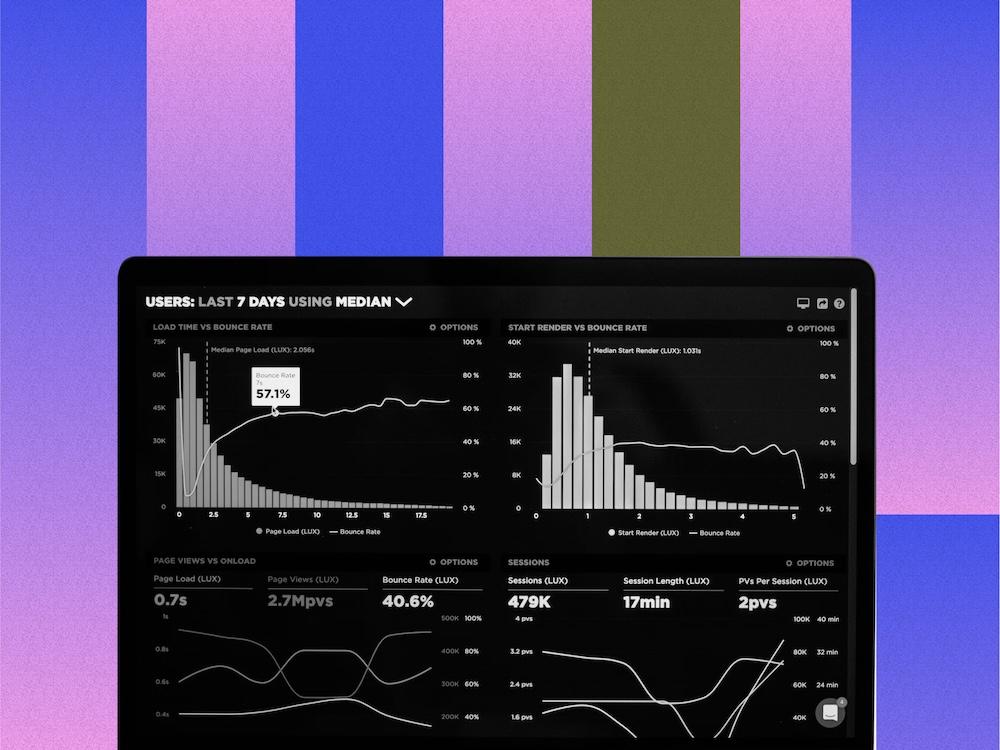
By leveraging AI, data analytics, and adaptive learning, educators can offer tailored SEL supports that meet students where they are.
2. Data-Driven SEL Programs
The use of data to inform SEL practices is on the rise. Schools are now able to:
- Monitor the effectiveness of SEL initiatives using evidence-based assessments
- identify students who need additional support
- Make informed decisions on program advancement
Data-driven SEL not only increases accountability but also ensures resources are used where they’re most needed.
3. Integrated SEL and Academic Learning
Future directions for SEL in schools include the ongoing blending of SEL with academic subjects—embedding emotional regulation lessons into science or teamwork skills into mathematics. This integrated approach:
- Enhances student engagement
- Fosters a sense of belonging
- Improves both academic and SEL competencies
Benefits of SEL: The Evidence Speaks
SEL provides a wealth of benefits for students, educators, and school communities, all while supporting academic, behavioral, and mental health outcomes.
- Improved Academic Performance: Research shows that students who participate in high-quality SEL programs demonstrate an average academic performance increase of 11 percent.
- Reduced Behavioral problems: SEL is linked to decreased aggression, reduced bullying, and better conflict resolution among students.
- Better Emotional regulation: Students report fewer feelings of anxiety and stress in schools that prioritize SEL.
- Stronger School Climate: SEL programs cultivate trust, inclusivity, and mutual respect throughout the school community.
Integrating SEL strategies is not just beneficial—it is indeed essential for a well-rounded, modern education.
real-World Case Studies: SEL in Action
Case Study 1: “Emotion Matters” in Middle Schools
In several urban middle schools, the “emotion Matters” program implemented weekly lessons and daily classroom practices focusing on identifying and managing emotions.Over a school year, these schools observed:
- 30% decrease in disciplinary referrals
- Notable improvement in student engagement
- Teachers reporting higher job satisfaction
Case Study 2: Tech-Enabled SEL in High School
A high school in California integrated a digital platform for SEL check-ins and reflection.As a result:
- Students became more cozy discussing challenges
- Administrators could quickly identify and support at-risk students
- Parents received weekly SEL updates, fostering home-school collaboration
Future Challenges and Opportunities for SEL
As SEL gains traction, schools face both challenges and opportunities in shaping its trajectory:
- Scaling Up With Fidelity: Expanding SEL from pilot programs to entire districts while maintaining quality is an ongoing task.
- Professional Development: Continuous training equips educators to effectively deliver SEL, particularly with new digital tools and curricula.
- Customizing for Diversity: Future SEL programs must reflect the linguistic, cultural, and social contexts of all students.
- Evaluating Long-Term Impact: Developing robust, longitudinal assessments for SEL outcomes remains a research priority.
The future of SEL lies in sustained investment, innovation, and collaboration across education stakeholders.
Practical Tips for Implementing SEL in Schools
- Foster buy-in: Engage teachers,administrators,students,and families from the outset to build a shared vision for SEL.
- Start small: Pilot SEL initiatives in selected classrooms to refine approaches before wider adoption.
- Leverage technology: Use digital SEL tools for efficient data gathering, ongoing support, and interactive learning experiences.
- Integrate into academics: Weave SEL lessons into everyday subject matter for meaningful, context-based learning.
- Prioritize ongoing training: Regular professional development ensures staff stay up to date on SEL research and practices.
Conclusion: What’s next for SEL in Schools?
The future of SEL in schools is shining, promising a new era where academic achievement and emotional intelligence go hand-in-hand.As schools embrace emerging trends, leverage technology, and nurture culturally responsive, equitable learning environments, SEL will continue to play a transformative role in education. By prioritizing the social and emotional well-being of students, we can build stronger, more resilient communities for generations to come.
Whether you’re a teacher, administrator, or parent committed to advancing SEL, the time to act is now. Stay connected with the latest SEL innovations and research, invest in targeted training, and build collaborative networks to ensure every learner thrives—academically, socially, and emotionally.