
Exploring the ethical Considerations of AI in Education: Challenges & Solutions
Artificial intelligence (AI) is transforming the landscape of education, making learning more personalized, accessible, and efficient. Though, as AI-powered tools and platforms become an integral part of classrooms and administrative systems, the ethical considerations of AI in education gain increasing importance. How do we harness the benefits of AI while mitigating potential risks? In this complete guide, we’ll delve into the ethical challenges surrounding AI in schools and universities, explore practical solutions, and highlight best practices for educators and policymakers.
Why Ethical Considerations Matter in AI-Empowered Education
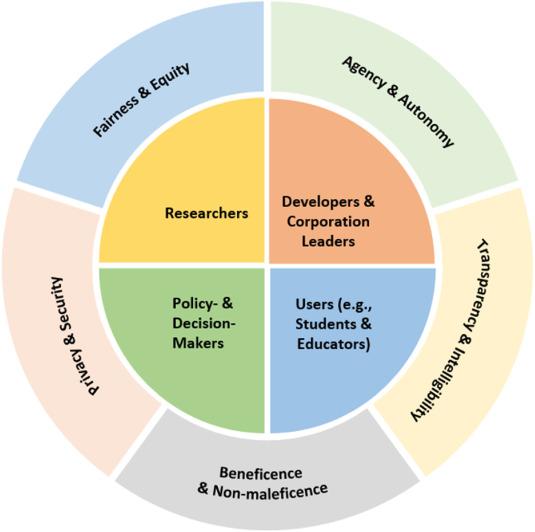
The rapid adoption of AI in education brings numerous advantages,such as personalized learning,efficient grading,and predictive analytics for student performance. But these advancements are accompanied by critical questions about fairness, privacy, and human agency. Addressing the ethical issues in AI education is essential to ensure technology enhances learning rather than exacerbating existing inequities.
- AI-driven systems can inadvertently reinforce biases if not properly designed.
- Student data privacy and security remain paramount as more personal information is collected.
- The role of human educators evolves, raising concerns about job displacement and the human touch in learning.
Major Ethical Challenges of AI in Education
Integrating AI into educational environments presents several specific ethical challenges. Let’s examine the most pressing ethical considerations in detail:
1. Bias and Discrimination
- Algorithmic bias: AI models may inadvertently reflect or amplify biases present in training data, resulting in unfair outcomes for certain student groups.
- Socio-economic disparity: Students from less privileged backgrounds may have limited access to AI resources, exacerbating educational inequity.
2. Data Privacy and security
- Personal information exposure: AI systems ofen require notable amounts of student data, raising concerns about consent, security breaches, and misuse.
- Compliance with regulations: Schools must ensure AI applications comply with privacy laws like GDPR, FERPA, or COPPA.
3. Autonomy and Teacher-Student Relationships
- overreliance on AI: Excessive dependence on AI can undermine the pivotal role teachers play in nurturing critical thinking and social-emotional skills.
- Lack of transparency: Many AI decisions are arduous to interpret, which can erode trust among students, parents, and educators.
Case Studies: real-world Ethical Dilemmas in AI Education
- Predictive Analytics in Student Assessment: A U.S. high school adopted an AI tool to identify students at risk of failing.While the tool improved early interventions, it also flagged students based on attendance and background, unintentionally favoring certain demographics.Administrators had to reevaluate their data inputs and introduce human oversight to counteract these biases.
- Automated Essay Grading: Several universities in Europe piloted AI-driven essay graders. Despite efficiency gains, teachers observed that the technology struggled with nuanced, creative writing and occasionally penalized non-native speakers. This led to a hybrid approach, combining AI grading with human feedback to ensure fairness.
Solutions: Best Practices for Ethical AI Implementation in education
To responsibly integrate AI into educational contexts, stakeholders should consider the following practical solutions:
1. Promote Transparency and Accountability
- Open communication: Educators and AI developers should clearly explain how AI tools work, their intended uses, and potential limitations.
- Audit algorithms: Regular, independent audits can help identify instances of bias and discrimination within AI systems.
2.Ensure Data Privacy and Security
- Data minimization: Only collect essential data, and implement strict access controls and encryption.
- Transparent consent: Obtain clear, age-appropriate consent from students or their guardians before gathering personal information.
- Compliance: Stay updated with data protection regulations and incorporate robust security measures.
3. Address Biases Proactively
- Diverse datasets: Train AI models using varied and representative data to minimize algorithmic biases.
- Ongoing monitoring: Continuously monitor AI outputs for signs of bias or unfairness, and adjust algorithms as needed.
4. Foster Human-AI Collaboration
- Hybrid approaches: Combine AI capabilities with human judgement in teaching, assessment, and student support.
- Professional development: Train teachers to effectively integrate AI tools while emphasizing their unique role in student development.
benefits of Responsible AI Adoption in Education
When AI technologies are implemented ethically, they can unlock a range of benefits for students, teachers, and schools:
- Personalized learning: Tailors instruction to individual needs, improving engagement and outcomes.
- Administrative efficiency: Automates routine tasks, freeing up educators to focus on teaching and mentorship.
- early interventions: Identifies at-risk students and provides timely support.
- Enhanced inclusivity: offers accessible resources for students with special needs or language barriers.
Practical Tips for Educators and Policymakers
As you navigate the ethical considerations of AI in education, keep these tips in mind:
- Involve stakeholders: Engage parents, teachers, and students in AI adoption decisions.
- Promote digital literacy: Educate students about how AI works and its implications.
- Start small, scale smart: Pilot AI projects on a smaller scale before widespread implementation.
- Establish clear guidelines: Set ethical frameworks and codes of conduct for AI use in educational settings.
Conclusion: Shaping the Future of Education with Ethics in Mind
the integration of AI in education holds great promise for transforming learning and teaching. Though, understanding and addressing the ethical considerations of AI in education is vital to fostering trust, inclusivity, and obligation. By prioritizing transparency, protecting student privacy, combating bias, and reinforcing the irreplaceable role of educators, we can harness the potential of AI while safeguarding the fundamental values of education. Let’s work together to ensure that AI not only empowers students and teachers, but does so in ways that are fair, secure, and ethical.