
Exploring the Ethical Considerations of AI in Education: Risks, Benefits, and Best Practices
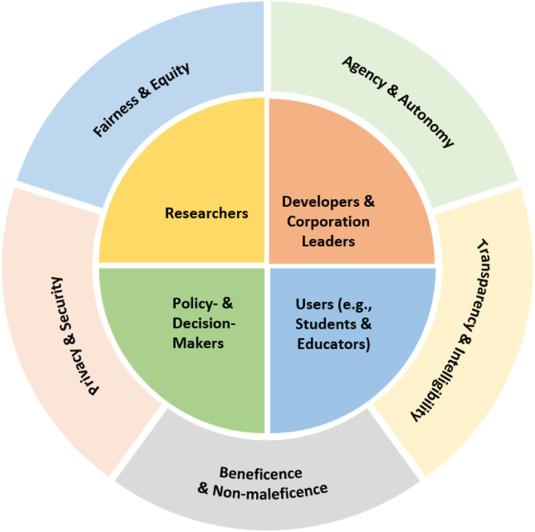
As artificial intelligence (AI) transforms the educational landscape, its integration offers tremendous opportunities—and raises pressing ethical concerns. Understanding the ethical considerations of AI in education is crucial for educators,administrators,policymakers,students,and parents alike. This article delves into the potential risks and benefits of AI in education, real-world examples, and the best practices to ensure responsible implementation.
Understanding AI in Education: An Overview
AI in education refers to the use of intelligent algorithms and applications—such as personalized learning platforms, automated grading, predictive analytics, admission engines, and chatbots—to enhance teaching and learning experiences. As digital change accelerates, schools and universities are adopting AI to improve efficiency, personalize content, and bridge learning gaps.
- Adaptive Learning Systems: Platforms that tailor instructional material to individual student needs.
- Automated assessment: Tools that grade tests and provide instant feedback.
- Predictive Analytics: Systems that forecast student performance or dropout risks.
- AI Chatbots: Digital assistants for student support,scheduling,and inquiries.
Ethical Considerations of AI in Education
While the adoption of AI can enhance educational outcomes, it also introduces a set of ethical challenges that require careful deliberation:
1. Student Privacy and Data Security
AI-driven tools frequently enough collect large amounts of student data to power personalization. Ensuring the safety and confidentiality of sensitive information is paramount.
- How is student data stored, used, and shared?
- Are third-party vendors complying with standards like FERPA and GDPR?
- What measures are in place to prevent data breaches?
2. Algorithmic Bias and Fairness
algorithms may inadvertently perpetuate social biases related to race, gender, or socioeconomic status, leading to discriminatory outcomes in grading, personalized learning suggestions, or admissions decisions.
- Is the AI system regularly audited for bias?
- Does the training data represent all student demographics?
- Are there transparent policies to address and mitigate identified biases?
3.Openness and Accountability
AI algorithms can be complex and sometimes act as “black boxes.” Transparency ensures that educators, students, and parents understand how decisions are made and can contest erroneous outcomes.
- What mechanisms allow users to question AI-driven decisions?
- Who is responsible when AI makes a mistake or causes harm?
4. Equity and Access
There’s a risk that AI-powered education will only benefit students in well-resourced schools, increasing the digital divide.
- Do all students have equal access to AI tools and devices?
- Can AI help close, rather than widen, achievement gaps for marginalized communities?
Benefits of AI in Education
Despite concerns, the benefits of AI in education are meaningful, especially when ethical considerations are addressed proactively.
- personalized Learning: Customizes pace, content, and feedback for each learner.
- Administrative Efficiency: Automates grading,admissions,and scheduling,freeing educators for more meaningful interactions.
- Real-Time Assistance: AI chatbots and virtual tutors offer 24/7 support to students.
- Data-Driven insights: Enables early intervention for students at risk of falling behind.
- Accessibility: AI tools like speech-to-text and language translation break down barriers for students with disabilities or language challenges.
Case Study: AI-Driven Early Intervention
A U.S. school district implemented an AI-powered predictive analytics system to monitor student engagement and flag early signs of academic risk. As a result,counselors could proactively reach out,substantially reducing dropout rates. This positive outcome hinged on strong data privacy standards and transparent communication with families.
Risks of AI in Education
If implemented without due diligence, AI can pose significant threats:
- Loss of Human Interaction: Excessive automation may erode teacher-student relationships.
- Job Displacement: Support roles, such as graders and administrative staff, may become obsolete.
- misuse of Data: Breaches or unethical data uses can compromise student safety and trust.
- Reinforcement of Inequities: Biased algorithms may unfairly disadvantage certain groups.
First-hand Experience: Managing AI Missteps
A teacher shared that an automated essay grading tool repeatedly scored English learners lower due to limited vocabulary. The school responded by adjusting the algorithm’s parameters and increasing human oversight—highlighting the necessity of continuous review and adjustment of AI systems.
Best Practices for Ethical AI integration in Education
Responsible adoption of AI in education requires the collaboration of educators, technical experts, policymakers, and stakeholders. Here are practical tips to ensure an ethical approach:
- Adopt Transparent AI Policies: Clearly communicate how and why AI is used and how data is handled.
- Ensure Informed Consent: Obtain explicit permission from students or guardians for data usage.
- Bias Auditing: Regularly assess algorithms for potential bias or unfair impact and make necesary adjustments.
- Promote Digital Equity: Invest in technology and training to guarantee all students benefit from AI advancements.
- Maintain Human oversight: Combine AI insights with professional judgment to avoid over-reliance on automation.
- Continuous Professional Progress: Offer ongoing AI ethics training for teachers and administrators.
- Engage Stakeholders: include students, parents, and educators in AI policy-making and feedback loops.
Regulations and Emerging Guidelines
Governments and international organizations are increasingly focusing on the regulation of AI in education. The European Union’s AI Act, UNESCO’s “Ethical AI” framework, and evolving U.S. educational data privacy laws are shaping policy and practice. Staying informed and compliant with these guidelines is crucial for institutions adopting AI.
Conclusion: Striking the Right Balance
Integrating AI into educational settings offers exciting prospects for personalization, efficiency, and inclusion, but not without ethical considerations that require constant vigilance. By emphasizing transparency, equity, data privacy, and human-centered oversight, educators can leverage the benefits of AI in education while minimizing risks.
As AI continues to evolve, ongoing stakeholder dialogue, adaptive regulations, and a steadfast commitment to ethical best practices will ensure technology uplifts every learner rather than leaving anyone behind.
Looking for more insights into AI in education and ethical technology? Explore our latest articles, guides, and resources for educators and administrators.