
Exploring the Ethical Considerations of AI in Education: Safeguarding Students and Shaping the Future
Artificial intelligence (AI) is rapidly transforming the educational landscape, offering innovative tools too personalize learning, support teachers, and enhance student outcomes. Though, as AI becomes more integrated into classrooms, it presents a host of ethical considerations—issues that are critical for educators, parents, policymakers, and technologists to address. In this in-depth analysis, we’ll explore the main ethical challenges of AI in education, discuss real-world implications, and outline actionable strategies to ensure that technology safeguards students and supports future-ready learning.
Understanding AI in Education: Opportunities and Ethical Challenges
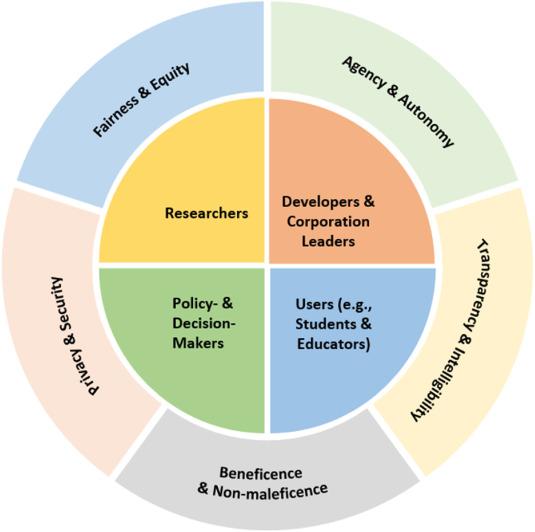
AI in education, frequently enough called “EdTech AI,” encompasses a broad range of technologies, from intelligent tutoring systems and automated grading to predictive analytics and adaptive learning platforms. While these technologies have the potential to revolutionize the way we teach and learn, they also introduce complex ethical considerations, such as:
- Student Data Privacy
- Algorithmic Bias and Fairness
- Openness and Accountability
- human Oversight and Autonomy
- Digital Equity and Access
Let’s break down these ethical issues and examine how educators and institutions can responsibly harness AI for positive impact.
Safeguarding Student Data and Privacy
AI technologies often rely on vast amounts of student facts, ranging from academic performance to behavioral data. Protecting student privacy is paramount. Key ethical concerns include:
Concerns:
- Data Security: How securely is student data stored and transmitted?
- Data Minimization: Are only necessary data points collected, or is data being harvested unnecessarily?
- Consent: Are students and guardians adequately informed about what data is collected and how it will be used?
Practical Tips for Educators:
- Choose EdTech platforms that comply with data protection regulations such as GDPR or FERPA.
- Regularly audit data collection and retention policies.
- Educate students and their families about digital citizenship and privacy best practices.
Algorithmic Bias and Ensuring Fairness
AI systems are only as unbiased as the data and instructions provided. In education, even unintentional algorithmic bias can have far-reaching consequences, possibly reinforcing inequalities or misrepresenting student abilities.
Real-World Case Study: Exam Proctoring Bias
Consider AI-powered exam proctoring tools that flag students for “suspicious behavior” based on facial recognition or body language. Reports have surfaced of higher false-positive rates among students of color or those with certain disabilities—highlighting the urgent need for fairness and continual assessment of AI tools.
How to Combat Algorithmic Bias:
- use diverse, representative datasets when training AI systems.
- Regularly evaluate the outcomes and performance of AI tools across different student demographics.
- Encourage vendor transparency about how AI algorithms are developed and tested.
Transparency, Accountability, and Human Oversight
For AI to be ethically implemented in education, students and teachers must understand how it works—and who is responsible when mistakes occur. The “black box” nature of some AI can create mistrust and reduce the ability to question automated decisions.
Promoting Trust through Transparency:
- Work with vendors who provide clear documentation of how AI systems function.
- Train educators to interpret AI-driven insights and intervene when necessary.
- Establish clear channels for students and parents to contest or appeal AI-generated outcomes.
AI, Autonomy, and the Role of Human Educators
While AI can automate certain educational tasks, it should never replace the critical judgment and empathy of human teachers. Striking the right balance is essential to foster student autonomy and holistic growth.
Key Points:
- Students should always have opportunities to interact with real educators and peers.
- Teachers should use AI tools to supplement, not substitute, personalized instruction and mentorship.
- Schools should invest in professional development to help educators confidently integrate AI into their practice.
Digital Equity: Ensuring Access and Inclusivity
As AI technologies become more embedded in education, addressing digital equity becomes even more pressing. not all students have equal access to reliable devices,connectivity,or AI-driven learning tools.
Strategies for Promoting Equity:
- Provide hardware subsidies or device loan programs to bridge the digital divide.
- Design AI tools with accessibility features for students with disabilities.
- Regularly assess the impact of AI initiatives on marginalized communities and adjust policies accordingly.
First-Hand Perspectives: Experiences from the Classroom
“As a teacher using AI-powered reading assessments, I appreciate the efficiency.But I’ve learned firsthand that students sometimes feel anxious about machines ‘judging’ them. We always review results together, and I emphasize that technology is a tool, not the final authority.”
— Lisa M., Grade 5 Educator
First-hand experiences like Lisa’s highlight both the benefits and challenges of AI in education—underscoring the necessity of a balanced, human-centered approach.
Practical Recommendations for Ethical AI Adoption
- Develop Clear Guidelines: Educational institutions should create robust AI ethics policies outlining acceptable uses, transparency requirements, and grievance procedures.
- Involve Stakeholders: Engage teachers, students, parents, and community members in AI procurement and evaluation processes.
- Maintain Human-in-the-Loop Systems: Ensure that educators always have final oversight over significant AI-driven decisions.
- Prioritize Continuous training: invest in ongoing professional development around digital ethics and responsible technology use.
- foster a Culture of Reflection: regularly revisit and update policies considering emerging risks and evolving best practices.
Conclusion: Shaping the ethical Future of AI in Education
Artificial Intelligence holds tremendous promise for enriching student learning, closing gaps in achievement, and preparing the next generation for an innovation-driven world. Though, realizing this vision requires a careful, ethical approach—one that prioritizes student privacy, fairness, transparency, access, and the irreplaceable role of educators.By proactively addressing the ethical considerations of AI in education, we can build a more inclusive, empowering, and future-ready learning environment for all.
Stay informed about the latest trends and best practices for integrating AI in education—as safeguarding students today means shaping a better tomorrow.