
Exploring the Future Directions for SEL in schools: Key Trends and Strategies Ahead
Social and Emotional Learning (SEL) has emerged as a critical factor in fostering healthy student progress, academic achievement, and positive school climates. As education evolves to meet new societal demands and technological innovations, the field of SEL is also poised for significant change. In this in-depth article,we’ll explore future directions for SEL in schools,highlight emerging trends,and share forward-thinking strategies to help educators,administrators,and policy makers stay ahead of the curve.
Understanding the Importance of SEL in Modern Education
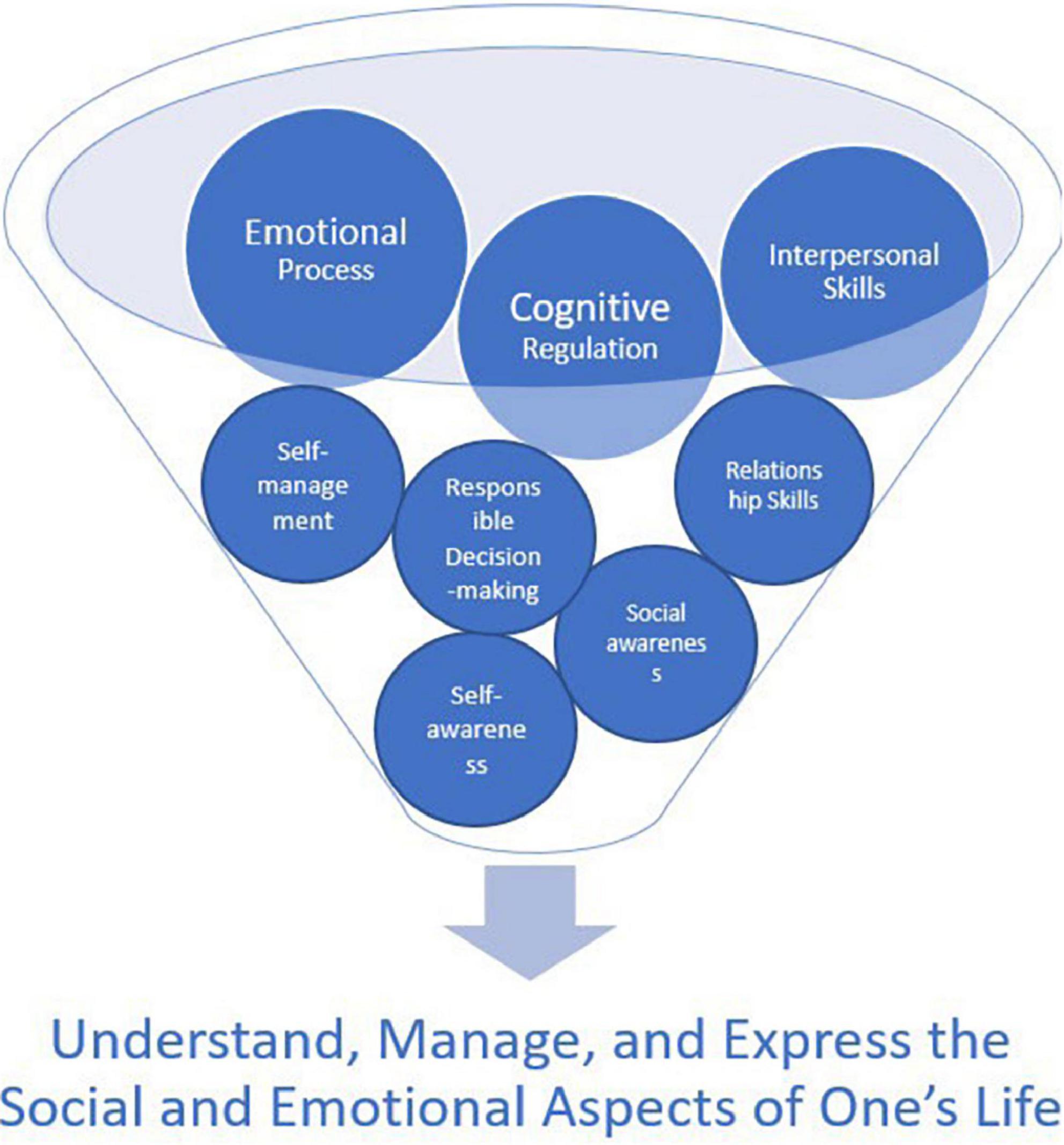
SEL is more than just teaching empathy or emotion regulation—it’s about equipping students with vital life skills including:
- Self-awareness and self-management
- social awareness and relationship skills
- Responsible decision-making
When implemented effectively, SEL in schools can enhance academic performance, reduce risky behaviors, and promote long-term mental well-being for students.
Key Trends Shaping the future of SEL in Schools
As we look ahead, several transformations are influencing how SEL will be delivered and evolved. Here are the top trends to watch:
1. Integration of SEL into Academic Curricula
rather than treating SEL as a standalone program, schools are embedding social-emotional learning directly into core subjects like math, language arts, and science. This approach normalizes SEL and helps students see it as essential to all learning.
2. Increased Focus on Digital SEL
As technology becomes an integral part of education, digital SEL tools and resources—such as online mindfulness activities or emotion-regulation apps—are gaining traction.Virtual classrooms are adopting digital SEL curricula to reach students wherever they are.
3. Personalized and Culturally responsive Approaches
Future SEL programs are becoming more adaptive to individual student needs and backgrounds. This means creating culturally responsive SEL content and recognizing the unique challenges faced by diverse student populations.
4.Family and Community Engagement
Research shows that SEL is most effective when schools build partnerships with families and community organizations. The future of SEL will see greater collaboration across these domains, including at-home SEL activities and community-based initiatives.
5. Data-Driven SEL Assessment and Continuous improvement
monitoring SEL outcomes with data and feedback loops is key for program effectiveness. Expect to see more elegant SEL assessment tools—measuring emotional growth, classroom climate, and student engagement—for data-driven decision-making.
Benefits of Future-Ready SEL implementation
Schools that proactively adapt to the evolving landscape of SEL can unlock a wealth of benefits, such as:
- Improved student academic outcomes
- Enhanced teacher well-being and job satisfaction
- Reduced disciplinary incidents and school violence
- Stronger school-family-community ties
- Increased student resilience and mental health
“SEL is the investment that pays dividends for a lifetime—both for students and for the broader society.” — Collaborative for academic, Social, and Emotional Learning (CASEL)
Strategies for Advancing SEL in Your School
As SEL continues to gain momentum, how can your school or district stay ahead? Here are actionable strategies for embracing the future of SEL:
1. Make SEL a Whole-School Priority
- Establish a dedicated SEL leadership team or committee.
- Develop a shared vision and set clear, measurable goals for SEL integration.
- involve all staff—from administrators to support personnel—in SEL training and implementation.
2. Leverage Technology and Digital Platforms
- Utilize SEL apps, digital journals, and mindfulness platforms to support students and teachers.
- Integrate SEL modules into your school’s Learning Management System (LMS).
- Implement digital surveys for frequent student check-ins and feedback.
3. adopt Culturally Inclusive SEL Content
- Review SEL materials to ensure they reflect students’ diverse cultural backgrounds and experiences.
- Invite guest speakers from varied communities to share their perspectives on resilience and relationship-building.
- Seek student and family input on adapting SEL efforts to better meet community needs.
4. Strengthen Professional Development
- Offer regular SEL-focused professional learning for teachers and staff.
- Promote self-care and adult SEL to model healthy emotional habits for students.
- Provide resources for teachers to integrate SEL with academic instruction.
5. Engage Families and Community Organizations
- Share SEL goals,resources,and events with families through newsletters and school websites.
- Host SEL workshops and parent information nights.
- Partner with local organizations to offer real-world SEL experience and mentorship programs.
Case Studies: Innovative SEL Practices in Action
Many schools around the world are already leading the way in SEL innovation. Here are a few inspiring case studies:
- anchorage School District, Alaska: Embedded SEL across all grade levels, leading to a 20% increase in graduation rates and a dramatic drop in behavioral issues over five years.
- summit Public Schools, California: Utilizes personalized learning platforms that combine academic and SEL goals, empowering students to track social-emotional growth alongside grades.
- Springfield Public Schools, Massachusetts: Partners with community organizations to offer trauma-informed SEL support, benefiting both students and families and improving school climate.
First-Hand Experience: teachers Share their Perspectives
Educators are witnessing dramatic changes as SEL evolves. Here’s what a few frontline teachers have to say:
Maria L., middle School Teacher:
“Integrating SEL into my science lessons hasn’t just boosted student engagement—it’s helped my kids feel seen and valued. They’re less anxious about mistakes and more willing to collaborate.”
James W., Elementary Principal:
“Our investment in teacher SEL professional development has transformed school culture. Staff morale is up, conflict is down, and students are thriving both academically and emotionally.”
Practical Tips for School Leaders
Want to move your SEL program forward? keep in mind:
- Start small, scale up: Pilot SEL strategies in one grade or department, then expand as momentum builds.
- Measure progress: Use validated SEL assessment tools and listen to student voices for rapid feedback.
- Embrace adaptability: Be ready to adapt SEL approaches as new research and technologies emerge.
Conclusion: The Path Forward for SEL in Schools
The future of Social and Emotional Learning in schools is promising, marked by innovative technology, deeper integration, and a more inclusive, community-driven approach. As we navigate emerging trends and strategies, it’s vital for educators, administrators, and communities to work together—investing in both evidence-based practices and creative solutions. By staying informed and committed, schools can create nurturing environments where every learner develops the critical social and emotional skills needed for academic success and lifelong well-being.
Ready to take your school’s SEL efforts to the next level? Stay curious, stay connected, and keep your students’ holistic growth at the heart of all you do.