
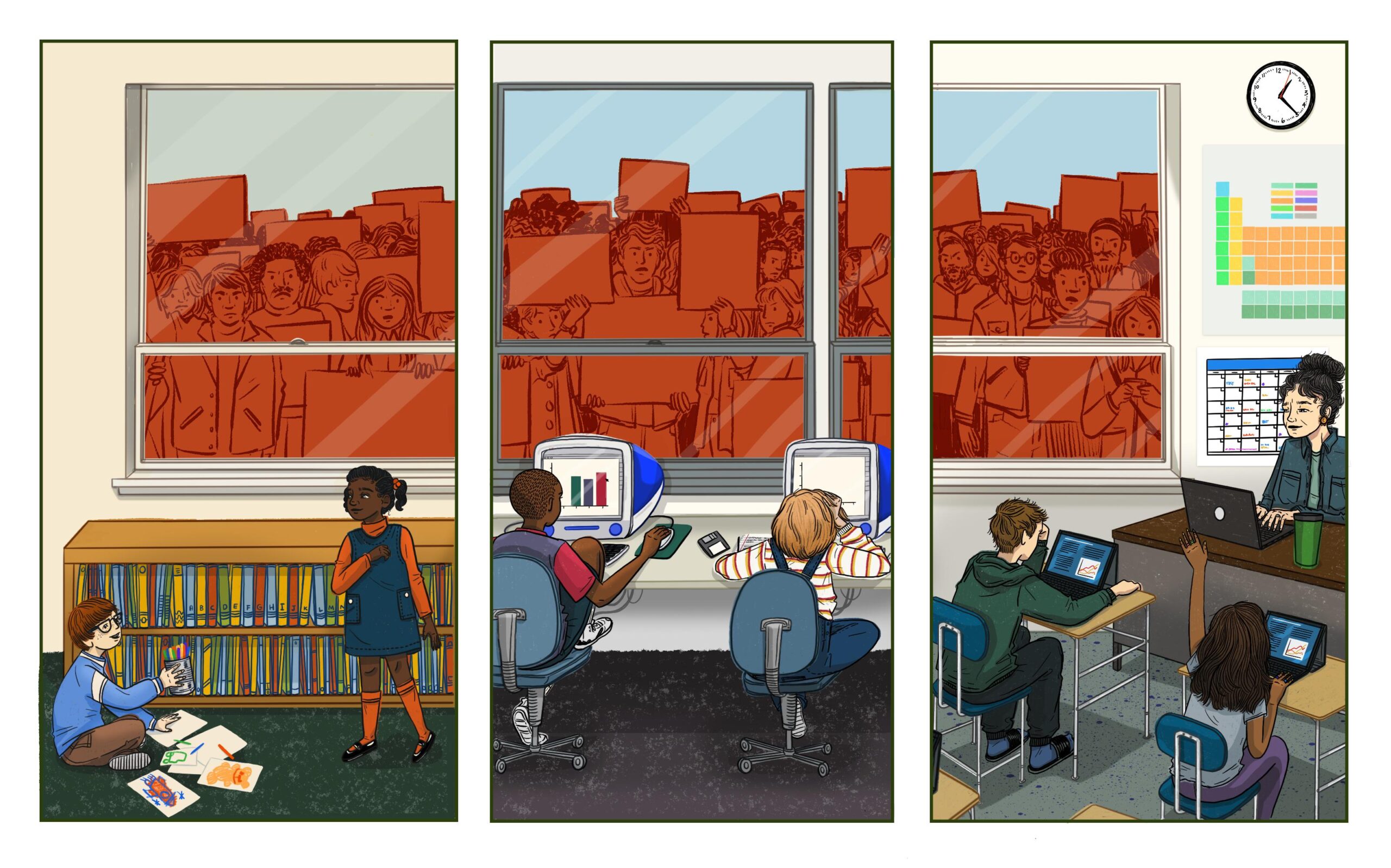
Exploring the Future Directions for SEL in Schools: Trends, Strategies, and Innovations
Social-Emotional Learning (SEL) has become an essential part of education systems worldwide. As educators,parents,policymakers,and students recognize the far-reaching benefits of SEL,it’s role in promoting academic achievement,emotional well-being,and life skills has never been clearer. but what dose the future hold for SEL in schools? In this complete guide, we’ll explore the latest trends, forward-thinking strategies, and groundbreaking innovations that are set too redefine SEL in educational environments.
Understanding Social-Emotional Learning (SEL)
SEL is the process through which children and adults acquire and effectively apply the knowlege, attitudes, and skills necessary to understand and manage emotions, set and achieve positive goals, demonstrate empathy, establish positive relationships, and make responsible decisions. Incorporating SEL into classroom instruction fosters a holistic approach to student development.
Key Trends Shaping the Future of SEL in Schools
As we look ahead, several key trends are emerging that are likely to define the future direction of SEL in education:
- Integration of SEL with academic Learning: More schools are embedding SEL practices directly into curriculum and instruction rather than treating SEL as a separate area of focus.
- Personalized SEL: Technology and data-driven insights enable schools to tailor SEL approaches to the distinct needs of individual students.
- Equity and Cultural responsiveness: SEL programs are increasingly being designed to reflect diverse cultural backgrounds and experiences, promoting social justice and equity.
- Family and Community Partnerships: Greater emphasis is placed on engaging families and communities in SEL to enhance its effectiveness.
- Staff Wellbeing and Adult SEL: Supporting educators’ own social-emotional competence is recognized as critical for enduring SEL implementation.
- data-Informed Decision making: Schools are leveraging data to measure SEL outcomes and inform continuous betterment.
Innovative Strategies Driving SEL Forward
To effectively address the evolving needs of students, educators are embracing new strategies that promote social-emotional skills in innovative ways:
1. Technology-Enhanced SEL
- SEL Apps and Digital Platforms: Mobile apps, online games, and virtual platforms offer interactive, engaging experiences for practicing SEL skills at school and home.
- Real-Time Feedback and Progress Tracking: Edtech solutions provide instant feedback for students, helping teachers identify growth areas and adjust instruction accordingly.
2. Project-Based and Experiential Learning
- Integrating SEL into hands-on, real-world projects helps students collaborate, solve problems, and reflect on their emotional responses in context.
3. Mindfulness and Well-being Practices
- Mindfulness exercises, brain breaks, breathing techniques, and daily check-ins are becoming standard practices to foster self-awareness and emotional regulation.
4. Cross-Disciplinary Integration
- SEL isn’t limited to homeroom or counselor visits; it’s woven across subjects—from language arts to science, reinforcing core competencies throughout the day.
5. Student Agency and Voice
- Schools are empowering students to co-create SEL initiatives, serve as peer mentors, and participate in school decision-making, thus building leadership and self-confidence.
Benefits of Advancing SEL in Schools
Research underscores the profound impact of strong SEL programs on students, teachers, and entire school communities:
- Increased academic achievement
- Higher levels of student engagement
- Improved classroom behavior and reduced bullying
- Better stress management and resilience in students
- Enhanced teacher well-being and retention
- Greater equity, belonging, and cultural respect
By investing in the future of SEL, schools are setting students up for success in school, work, and life.
Practical Tips for School Leaders and Educators
If you’re looking to strengthen SEL in your school or district, consider the following best practices:
- Embed SEL into Everyday Routines: Make SEL part of classroom rituals, not just special lessons.
- Leverage Technology Mindfully: Use edtech tools designed for SEL, but prioritize meaningful interactions and student privacy.
- Foster a Growth Mindset: Create safe spaces for students (and teachers) to take risks, learn from mistakes, and celebrate progress.
- Promote Diverse Perspectives: Incorporate stories, activities, and examples that reflect students’ varied backgrounds and experiences.
- Engage Families: Communicate with caregivers about SEL goals and invite them into the conversation.
- Invest in Adult SEL: Provide professional development and resources that support teachers’ social-emotional skills.
- Utilize Data: Collect and analyze SEL data to inform programming and demonstrate impact.
Case Studies: SEL Innovations in Action
many schools across the globe are pioneering fresh approaches to SEL with inspiring results. Here are two standout examples:
Case Study 1: The Empathetic School (Portland, Oregon)
by incorporating daily “circle time,” peer mediation, and digital reflection journals, this K-8 school cut disciplinary referrals by 50% and reported significant growth in student empathy and collaboration.
Case Study 2: Mindfulness for Middle Schoolers (London, UK)
after implementing a mindfulness curriculum with teacher-led exercises and app-based tracking, students reported less anxiety, increased focus, and improved test scores, especially among at-risk learners.
First-Hand Experience: A Teacher’s Outlook on SEL’s Evolution
“The biggest change I’ve seen in the last five years,” shares Ms. Taylor, a high school English teacher, “is how SEL has moved from an ‘extra’ to a necessity. My students arrive at class more ready to learn because we’ve made space for them to express themselves and connect.Whether we’re journaling about resilience or using apps to track moods, SEL has transformed our classroom community.”
The Road Ahead: Overcoming challenges and Embracing Opportunities
While enthusiasm for SEL is growing, several challenges persist:
- Lack of consistent funding and resources
- Resistance to change among stakeholders
- Limited training for educators
- need for culturally relevant materials
Addressing these hurdles will require sustained advocacy, creative partnerships, and a commitment to evidence-based practices. As research continues and new technologies emerge, the potential for transformative SEL in schools is greater than ever.
Conclusion: Shaping the Future of SEL in Schools Together
The future of Social-Emotional Learning in schools is both promising and exciting. By harnessing the latest trends, pioneering strategies, and collaborative innovations, educators and communities can ensure SEL remains a cornerstone of holistic student development. As we look forward, embracing the full potential of SEL will prepare students not just for academic success—but for lifelong well-being, resilience, and responsible citizenship.
Stay engaged, keep exploring, and help shape the next chapter in SEL for schools everywhere.