
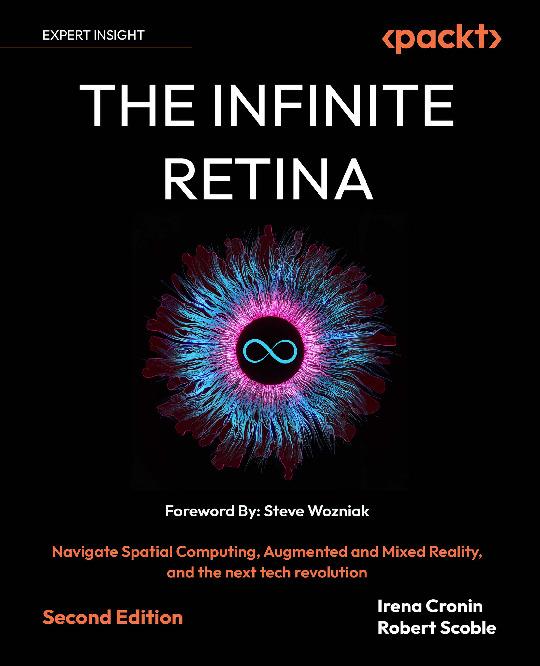
Exploring the Future of Augmented reality in Textbooks: How AR is Revolutionizing Education
The digital revolution is reshaping classrooms around the globe, with new technologies paving the way for interactive and engaging learning experiences.At the forefront of this shift is augmented reality in textbooks, which is dramatically transforming conventional educational models. In this article, we will delve into the future of AR in education, its significant benefits, real-world examples, practical implementation tips, and the exciting possibilities it brings to learners and educators alike.
Table of Contents
- What is Augmented reality in Textbooks?
- How AR is Transforming Education
- Key Benefits of using AR in Education
- Real-World Case Studies: AR Textbooks in Action
- Practical Tips for Implementing AR in Classrooms
- Challenges and the Future of AR in Textbooks
- Conclusion
What is Augmented Reality in Textbooks?
Augmented reality in textbooks refers to the integration of interactive, computer-generated content—such as 3D models, animations, videos, and quizzes—into traditional print or digital textbooks.this immersive technology overlays multimedia elements onto textbook pages through the use of smartphones, tablets, or AR glasses, allowing students to experience educational content in a vivid, engaging, and interactive way.
By combining physical textbooks with digital augmentation, AR creates a blended learning environment that brings static subjects to life and cultivates deeper understanding.
How AR is Transforming Education
The use of AR in education is disrupting the status quo of conventional learning. Here’s how:
- Enhanced Visualization: Complex topics, like the human anatomy or molecular structures, can be explored in three dimensions, enabling students to observe, manipulate, and better comprehend intricate concepts.
- Interactive Learning: AR offers participatory elements, such as clickable hotspots, interactive quizzes, and real-time simulations, making learning both fun and effective.
- Personalized Education: Students can learn at their own pace, revisit content, and receive instant feedback based on AR-enabled activities.
- Bridging the Physical-Digital Divide: AR connects tangible textbooks to the expansive world of digital information, fostering a hybrid educational approach.
Examples of AR in Textbooks
- Biology Books: Viewing a printed heart illustration through an AR app reveals a beating 3D heart, allowing students to rotate and dissect the organ virtually.
- History Textbooks: AR can re-create historic events, battles, or ancient cities, immersing students in moments from the past.
- Language Learning: Interactive flashcards and pronunciation guides, triggered by scanning textbook elements, support multisensory learning.
Key Benefits of Using AR in education
Integrating augmented reality in education offers numerous advantages for students, teachers, and institutions:
-
Improved Engagement and Retention
- Interactive AR elements stimulate curiosity, resulting in higher attention levels and improved knowledge retention.
-
Accessible and Inclusive Learning
- Visual and auditory enhancements can make content accessible for students with diverse learning needs or disabilities.
-
Cost-Effective Updates and Upgrades
- AR content can be updated digitally without the need for new textbook editions,reducing costs and keeping material current.
-
Collaboration and Teamwork
- Shared AR experiences foster group activities, communication, and collaborative problem-solving.
-
Motivating Self-Directed Learning
- Students are encouraged to explore content independently,nurturing lifelong learning skills.
Real-World Case Studies: AR Textbooks in Action
many educational institutions have already started to embrace AR in textbooks. Here are some compelling case studies:
-
Pearson’s “Envision” AR Science Series
Pearson incorporated AR technology into their Envision science textbooks for K-12 students. Using the AR app, learners can scan key pages to access 3D models, conduct virtual experiments, and view animated diagrams. Teachers report higher classroom engagement and better science comprehension.
-
Zientifico AR biology Textbooks (Latin America)
Zientifico developed biology textbooks featuring AR overlays to demonstrate genetic processes and cellular structures. Surveys showed students with AR textbooks improved their exam scores by 22% over peers using traditional materials.
-
McGraw Hill’s “Reveal Math” Program
Integrated AR experiences, such as visualizing geometric shapes and solving interactive math problems, resulted in more enthusiastic participation and greater confidence among middle-grade learners.
Practical Tips for Implementing AR in Classrooms
While the promise of augmented reality in education is great, successful integration requires thoughtful planning. Here are proven steps and best practices for educators:
- Start Small—Pilot AR projects in select courses or classes to evaluate impact and gather feedback.
- Choose Compatible Devices—Ensure students have access to smartphones or tablets that support your chosen AR platform.
- Select Quality Content—Work with trusted publishers or AR developers whose educational content aligns with your curriculum and learning objectives.
- Provide Training—Equip teachers with professional progress sessions to maximize the effectiveness of AR tools in the classroom.
- Address accessibility—Consider students with special needs by offering voiceovers, subtitles, and alternate content.
- Gather Feedback—Continuously assess student engagement, learning outcomes, and technical issues to refine your AR strategy.
Challenges and the future of AR in Textbooks
Despite its promise, AR in education comes with challenges. Internet connectivity issues, device availability, and content quality are barriers for some schools, especially in under-resourced regions. There are also concerns regarding screen time and the need for robust privacy measures.
However, industry trends indicate a rapidly growing market. AR platforms are becoming more affordable and user-friendly,and publishers are increasingly investing in high-quality AR content.With the advancement of AR glasses and wearable technologies, the line between digital and physical learning resources will blur even further.
- Global Market Growth: the global AR education market is projected to surpass $5 billion by 2025 (MarketsandMarkets).
- AI Integration: AI-powered AR can create adaptive learning experiences, further personalizing educational content for every learner.
- Teacher Roles: AR will supplement—rather then replace—educator expertise,allowing teachers to focus on higher-order skills like analysis,critical thinking,and mentorship.
Conclusion
The future of augmented reality in textbooks is undeniably bright.AR is revolutionizing education by making learning more visual,interactive,and accessible. As technology evolves, students will benefit from richer educational experiences that foster curiosity, comprehension, and a passion for knowledge.
For educators and institutions looking to stay ahead, embracing AR in textbooks is not just an option—it’s a necessity for creating more dynamic and effective learning environments. As we move forward, the combination of traditional educational values and cutting-edge technologies will unlock new possibilities for generations of learners to come.