
Exploring the future of Augmented Reality in Textbooks: Transforming Education Through Interactive Learning
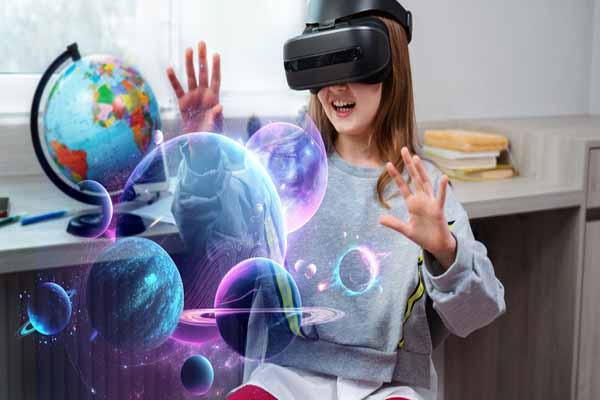
Imagine opening a science textbook and seeing the solar system revolving in 3D above the page. or flipping through a history book to watch animated reenactments of ancient civilizations with a simple tap on your smartphone or tablet. This is not futuristic fiction; it’s the promising reality ushered in by augmented Reality (AR) in textbooks. As digital technology evolves,AR is rapidly transforming customary classroom resources into dynamic,interactive learning experiences. In this extensive guide, we’ll explore how augmented reality is revolutionizing education, the benefits of AR textbooks, real-world use cases, and what the future holds for this captivating technology.
What Are AR Textbooks?
Augmented Reality textbooks integrate interactive digital elements—such as videos, 3D models, animations, and quizzes—directly into printed or digital pages. By using a smartphone, tablet, or AR glasses, students can unlock these experiences, turning static images into immersive educational content.
- Visual Enhancements: 2D diagrams come to life as 3D rotate-able models.
- interactive Learning: Embedded quizzes and simulations reinforce concepts.
- Real-World Connection: Students can interact with virtual experiments without leaving their desks.
This blending of physical and digital learning is bridging the gap between theory and practice, making textbooks far more engaging and effective.
Benefits of Augmented Reality in Education
Integrating augmented reality in textbooks offers a myriad of advantages that benefit both educators and students. Here’s how AR is powering interactive learning in education:
1.Deepened Engagement and Retention
- Visual and Kinesthetic Learning: AR caters to diverse learning styles, enhancing understanding and memory retention.
- Gamification: AR learning elements make education more playful and motivating for students.
2. Real-Time Feedback and Assessment
- Interactive AR quizzes and activities provide immediate feedback, allowing students to learn from their mistakes on the spot.
3. Accessibility and Inclusion
- AR can offer auditory and visual accommodations, supporting students with disabilities or different learning needs.
4. Bridging Theory and Practice
-
AR simulations allow for safe, hands-on experimentation (such as virtual science labs or historical recreations) that deepen conceptual understanding.
5. Increased Collaboration
- Shared AR experiences can promote teamwork, discussion, and collaborative problem-solving in class.
Case Studies: AR in Textbooks in Action
Let’s take a closer look at how augmented reality textbooks are transforming the way students learn across the globe.
1. Pearson’s AR-Enhanced Science Books
Pearson, a leading educational publisher, has incorporated AR features into several of its science textbooks. Using the Pearson AR app, students can scan diagrams to trigger interactive 3D models, watch molecular structures assemble in real time, and participate in virtual experiments, all from their devices.
2. CoBook: Bringing Biology to life in India
In India, the startup CoBook has developed AR-powered biology textbooks for high school students. These textbooks allow learners to visualize human anatomy and biological processes, making complex topics tangible and easy to understand.
3. Ancient History AR
Through platforms like Ancient History AR, students can scan textbook pages to view historical artifacts in 3D, walk through virtual reconstructions of ancient cities, and gain insights no traditional image could provide.
First-Hand Experiences: Student and Teacher Voices
Teachers report that AR textbooks not only captivate students’ attention but also promote active participation in the classroom. One middle school science teacher shared: “My students used to memorize facts. With AR, they’re now asking why and how things work. It’s a complete mindset shift.”
Implementing AR textbooks: Practical Tips
Curious about using augmented reality textbooks in your school or classroom? Here are some practical steps to get started:
- Assess Infrastructure: Ensure students have access to compatible devices (smartphones, tablets, or AR headsets) and reliable internet connections.
- Select Quality AR Content: Choose textbooks with robust AR features tailored to your curriculum and students’ grade levels.
- Teacher Training: Invest in professional advancement to help educators seamlessly integrate AR into their teaching methods.
- Start Small: Pilot AR lessons in a few subjects before rolling them out school-wide. Gather feedback and adapt accordingly.
- Involve Parents: Inform and educate parents about how AR textbooks can support student learning at home.
Successfully adopting AR in education isn’t just about technology—it’s about fostering a new approach to interactive,inquiry-driven learning.
The Future of Augmented Reality in Education
The evolution of augmented reality in education is just beginning. Here are some key trends shaping the future:
- Wearable AR Devices: The rise of AR glasses (like Apple Vision Pro and Meta Quest) will make immersive experiences more accessible than ever.
- Personalized Learning: AI-powered AR platforms will adapt content to individual students’ progress and learning styles.
- Global Collaboration: Students from around the world could join together in shared AR environments, breaking down cultural and geographical barriers.
- Gamification & Edutainment: Lessons will become even more fun and motivating, blending gaming mechanics with educational content through AR.
- Open Authoring Tools: Teachers and students will co-create their own AR content, democratizing educational innovation.
While challenges such as cost, accessibility, and digital literacy remain, the foundations for a revolution in interactive learning are already being laid.
Conclusion: Towards an Interactive Learning Revolution
The integration of Augmented Reality in textbooks is creating a profound shift in how we approach education. By transforming static pages into vibrant, interactive learning environments, AR offers opportunities for deeper understanding, creativity, and collaboration. As technology continues to advance,educators and publishers have unprecedented tools to make learning more engaging and effective. Now is the time to embrace AR textbooks—ushering in a new era of interactive education that prepares students for the future.
Are you ready to explore augmented reality in your classroom? Start your journey today, and witness firsthand how AR textbooks can revolutionize the learning experience for you and your students.