
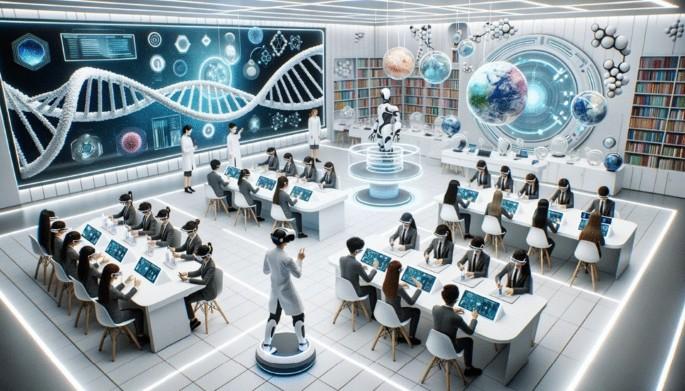
Exploring the Future of SEL in Schools: Emerging Trends and Innovative Directions
Social and emotional Learning (SEL) has become a cornerstone of modern education, empowering students to develop vital life skills alongside academia. As schools worldwide recognize the importance of nurturing the whole child,the future of SEL promises dynamic changes driven by evolving research,technology integration,and expanding educational needs. In this article, we delve into the emerging trends, innovative directions, and practical strategies shaping the future of SEL in schools.
Introduction: The Growing Importance of SEL in Education
The 21st-century classroom is more than just a place for academic achievement—it’s a hub for cultivating emotional resilience, empathy, and effective communication. Social and Emotional Learning (SEL) is at the heart of this change. By equipping students with skills to manage emotions, build relationships, and make responsible decisions, SEL prepares learners for lifelong success. As we look ahead, the landscape of SEL is rapidly evolving, guided by a wave of innovation and cultural change.
What is SEL? Key Principles and Goals
SEL refers to the process through which individuals acquire and apply knowledge, skills, and attitudes to:
- Understand and manage emotions
- Set and achieve positive goals
- Demonstrate empathy for others
- Establish and maintain positive relationships
- Make responsible decisions
These competencies not only contribute to academic achievement but also foster overall well-being, making social and emotional learning essential for schools aiming to educate the whole child.
Emerging Trends Shaping the Future of SEL in Schools
As SEL becomes an integral part of educational reform, several emerging trends are defining its future trajectory. Understanding these advancements can help educators, administrators, and policymakers implement effective, future-ready SEL initiatives.
1. Integration of Technology and Digital SEL
- EdTech SEL Tools: Digital platforms and mobile apps are leveraging AI, gamification, and personalized learning to enhance student engagement and self-awareness.
- Virtual Classrooms: Remote and hybrid learning environments are prompting the development of new online SEL curricula and teacher professional development resources.
- Data-Driven Insights: Schools increasingly utilize data analytics to track SEL progress, identify student needs, and personalize interventions.
2. Culturally Responsive and Inclusive SEL
- Equity-Focused Programs: Leading SEL initiatives are prioritizing equity, ensuring programs respect students’ cultural, linguistic, and socioeconomic backgrounds.
- Community Partnerships: Collaboration with families, local organizations, and mental health professionals is expanding SEL beyond classroom walls.
3. Whole-school and Systemic SEL Implementation
- Schoolwide Approaches: SEL is moving from individual classroom lessons to schoolwide practices embedded in policies,climate,and leadership frameworks.
- Staff Well-being: Forward-thinking schools recognize the importance of supporting educators’ social and emotional health through professional development and wellness programs.
4.SEL Assessment and Accountability
- Measuring Outcomes: New assessment tools are emerging to measure SEL skills,track program effectiveness,and guide continuous improvement.
- Longitudinal Research: Ongoing studies are mapping the long-term impact of SEL on academic, career, and life outcomes.
5. SEL Across Academic Disciplines
- Cross-Curricular Integration: SEL fosters connections between social-emotional skills and subjects like language arts,STEM,and the arts.
- Project-Based and Experiential Learning: Hands-on learning opportunities highlight collaboration, communication, and critical thinking.
Key Benefits of Embracing the Future of SEL
Investing in progressive social and emotional learning approaches offers schools tangible and lasting advantages:
- Improved Academic Outcomes: Students who participate in robust SEL programs demonstrate higher academic achievement, increased motivation, and better classroom behavior.
- Positive School Climate: SEL fosters inclusive, respectful environments that promote student belonging and reduce bullying and absenteeism.
- Mental Health Support: Early SEL interventions help identify at-risk students and provide foundational mental health skills to cope with stress and adversity.
- Lifelong Skill Development: SEL prepares students for future careers by cultivating teamwork, leadership, resilience, and emotional intelligence.
Innovative Directions: How Schools are Transforming SEL
Forward-thinking schools are adopting bold new strategies to deliver effective SEL. Here are some of the moast innovative approaches shaping 2024 and beyond:
Student-Led SEL Initiatives
- Peer mentoring programs empower students to guide and support each other’s social and emotional growth.
- Student voice and choice are emphasized through leadership councils and feedback opportunities.
Trauma-Informed SEL Practices
- Schools address the diverse needs of students affected by trauma with supportive, emotionally safe environments and staff training.
- Restorative justice practices are being intertwined with SEL frameworks to resolve conflicts and build trust.
Cross-Sector Collaboration
- K-12 schools partner with mental health organizations, after-school providers, and community leaders to broaden SEL impact and resources.
- Family engagement models ensure SEL learning extends into the home and community.
Personalized & Competency-Based SEL
- SEL programs are tailored to individual student profiles, offering personalized guidance and feedback.
- competency-based SEL frameworks allow learners to progress at their own pace and demonstrate mastery over time.
Practical Tips for Advancing SEL in Schools
Whether you’re a classroom teacher, administrator, or policymaker, practical steps can definitely help you enhance SEL outcomes:
- Integrate SEL activities into daily classroom routines, such as morning meetings or reflective journaling.
- Invest in high-quality, evidence-based SEL curriculum aligned to your community’s needs.
- Empower educators with professional learning focused on SEL strategies, trauma-informed care, and self-care practices.
- Gather feedback from students, families, and staff to inform SEL program design and improvement.
- Establish strong connections between in-school and out-of-school SEL programs for consistency and support.
Case Studies: Success Stories in SEL innovation
1. Austin Autonomous School District, Texas
Austin ISD implemented a district-wide SEL initiative, embedding social and emotional skills into academic subjects and school culture. Over time,they observed higher graduation rates,reduced suspensions,and increased student engagement.
2. Anchorage School District, Alaska
Anchorage’s emphasis on trauma-informed and culturally responsive SEL has led to improved teacher-student relationships and a notable drop in behavioral incidents, notably among historically underserved student groups.
3. Virtual SEL in Pandemic-Era Learning
The pandemic forced schools worldwide to innovate rapidly. Schools that leveraged technology to maintain SEL connections—such as Denver Public Schools’ video-based SEL check-ins—found creative ways to build student community, even from a distance.
The Future of SEL: What Lies Ahead?
The next decade will see SEL continue to evolve as a central pillar of holistic education. Artificial intelligence,data analytics,and virtual reality will open new doors,while increasing focus on equity and inclusion will ensure SEL reaches every student. Preparing for a future where social-emotional skills are as essential as math or literacy will require ongoing adaptation,investment,and collaboration across the education ecosystem.
Conclusion: Preparing for a Responsive, emotionally-Bright Tomorrow
As we explore the future of SEL in schools, one truth becomes clear: thriving in an unpredictable world demands more than academic knowledge. By embracing emerging trends, pursuing innovative directions, and fostering inclusive, technology-enabled SEL environments, schools can unlock the full potential of every child. Social and Emotional Learning is more than a curriculum—it’s the heartbeat of student success in the 21st century.