
Full Stack Developer education: Essential courses, Skills, and Pathways to Success
Are you passionate about shaping the future of education technology as a Full Stack Developer at universities, colleges, or schools? With the EdTech industry booming, there’s no better time to combine your software progress expertise with your drive to impact learning environments positively. this comprehensive guide will walk you through the essential courses,must-have skills,and practical pathways to help you launch or advance your career as a Full Stack Developer in education technology.
Why Pursue a Full Stack Developer Role in education Technology?
Education technology—or EdTech—has revolutionized the way students, educators, and institutions interact. As a Full stack developer in EdTech, you’ll get to design, build, and maintain web and mobile applications that facilitate everything from online learning management to virtual classrooms and assessment portals. beyond technical innovation, you’ll contribute to tools that make education more accessible, engaging, and effective.
Key Benefits of Working in EdTech as a Full Stack Developer
- Purpose-driven work: Contribute to meaningful projects that improve learning outcomes.
- Good work-life balance: Many schools and universities offer flexible schedules and remote options.
- Job stability: The demand for digital learning solutions is growing rapidly.
- Opportunities to innovate: Collaborate with educators and administrators to create cutting-edge solutions.
Essential Courses for Aspiring EdTech full Stack Developers
To secure a Full Stack Developer role in education technology, you’ll need a strong educational foundation encompassing both front-end and back-end disciplines, and also specialized EdTech knowledge. Here are the primary course areas to focus on:
1. Core Programming and Web Development Courses
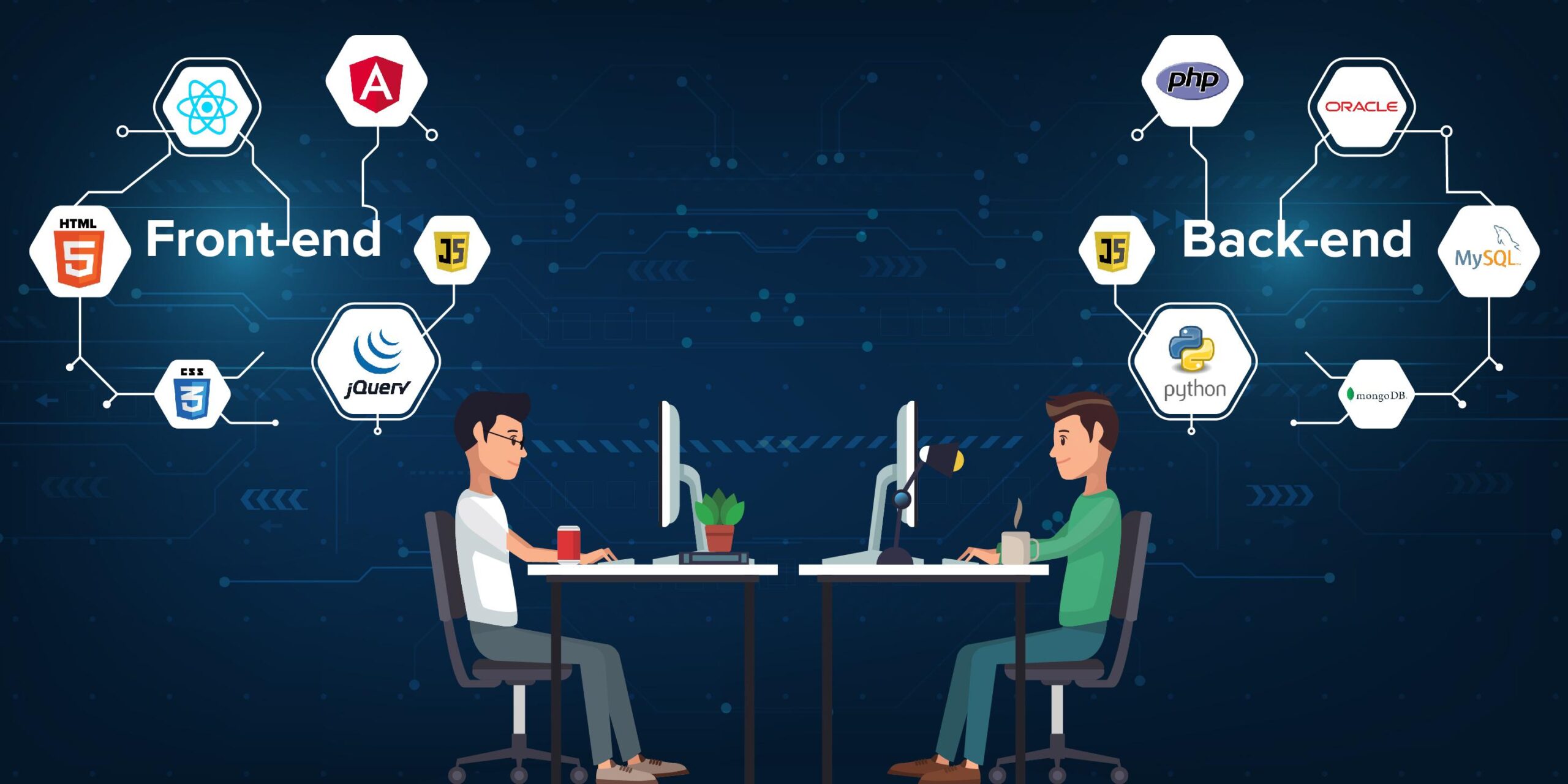
- HTML, CSS, and JavaScript: The building blocks for all web applications.
- Advanced JavaScript Frameworks: React, Angular, or Vue.js are widely used in modern EdTech platforms.
- Server-Side Programming: Node.js, Python (Django/Flask), ruby on Rails, or PHP for back-end logic.
- Database Management: Learn SQL (MySQL, PostgreSQL) as well as NoSQL (MongoDB) systems.
- RESTful APIs and GraphQL: Understand how to build and integrate API endpoints for dynamic applications.
2. Specialized Education Technology Courses
- LMS Development: Study the architecture and integration of Learning Management Systems like Moodle or Canvas.
- EdTech Product Design: Explore user-centered design for digital classrooms and administrative dashboards.
- Adaptive Learning Technologies: Gain insights into building personalized learning solutions powered by AI and ML.
- Data Privacy and Security in Education: Essential for handling sensitive student and institutional data.
3. supplementary and Soft Skills Training
- Agile Methodology: most EdTech teams use Agile or Scrum frameworks for project management.
- communication and Collaboration: Work effectively with teachers, administrators, and other stakeholders.
- Problem-solving and Critical Thinking: Tackle complex educational challenges with robust digital solutions.
Must-Have Skills for Full Stack Developers in Education Technology
A successful Full Stack Developer in EdTech blends technical proficiency with a deep understanding of educational workflows and user needs. Here’s what recruiters at universities, colleges, and schools are looking for:
Technical Skills
- Front-End Proficiency:
- Expertise in HTML5, CSS3, JavaScript (ES6+).
- Agreeable with modern libraries and frameworks (React, Angular, Vue.js).
- Responsive design and accessibility standards (WCAG, ARIA).
- Back-End Proficiency:
- Experience in server-side languages (Node.js, Python, Ruby, PHP).
- Database design, migration, and optimization (SQL and NoSQL).
- Building and consuming APIs (REST, GraphQL).
- DevOps & Cloud Basics:
- Familiarity with version control (git, GitHub).
- Basic cloud deployment (AWS, Azure, Google Cloud).
- Continuous integration and deployment pipelines (CI/CD).
Domain-Specific Knowledge
- Understanding of Learning Management Systems (LMS).
- Compliance with regulations: FERPA, COPPA, and other educational standards.
- Integration with student information systems (SIS) and other academic tools.
- Awareness of pedagogical principles and digital accessibility.
Soft Skills
- Strong communication and teamwork abilities.
- Analytical mindset with a focus on educational outcomes.
- Adaptability to evolving EdTech trends and user feedback.
Pathways to Becoming an EdTech Full Stack Developer
There’s no single path to becoming a successful Full stack Developer in education technology, but you can pave your way by combining targeted learning, hands-on experience, and strategic networking.
1. Get Formal or Self-Guided Education
- Pursue a bachelor’s degree in computer science, software engineering, or information technology.
- Supplement with online courses or bootcamps focused on web development and EdTech topics.
- Explore certifications such as AWS Certified Developer,Microsoft Certified: Azure Developer,or Google Professional Cloud Developer.
2. Build a Portfolio of edtech Projects
- Create or contribute to open-source educational tools or LMS plugins.
- Develop prototypes for e-learning modules, assessment platforms, or virtual classrooms.
- Showcase your work on GitHub and personal websites to attract potential employers.
3. Gain Real-World Experience
- Apply for internships or contract roles with universities, colleges, or educational startups.
- Volunteer for nonprofit organizations focused on education.
- Attend EdTech conferences, hackathons, and networking events to connect with industry insiders.
4. Apply Strategically and Keep Learning
- Target job boards and university career centers for Full Stack Developer positions in education technology.
- Stay up-to-date with trends in EdTech, web development, and compliance requirements.
- Consider contributing to academic publications or EdTech communities to build your reputation.
Practical Tips for Landing an EdTech Full Stack Developer Job
- Tailor your Resume: Highlight EdTech projects, relevant technical skills, and your understanding of education workflows.
- Prep for Interviews: Expect technical questions and scenarios involving student data privacy, accessibility, and classroom integrations.
- Showcase a passion for Education: Emphasize any experience collaborating with educators or working on educational products.
- Demonstrate Problem Solving: Be prepared to discuss how you approach unique EdTech challenges, like real-time engagement or grading automation.
- Network with EdTech Professionals: Join online EdTech groups and attend university or school-hosted tech events.
- Stay Agile: Recruiters value adaptability as EdTech needs evolve rapidly with technology advancements and policy changes.
Conclusion: Start Your Success Journey in EdTech
The journey to becoming a successful Full Stack Developer in education technology requires a blend of technical prowess, a passion for learning, and an understanding of how digital tools can shape student success. By focusing on essential courses, developing key skills, and strategically navigating your career path, you can make a profound impact in universities, colleges, and schools—and secure a rewarding, future-proof job in EdTech.
Are you ready to build the next generation of educational platforms? Start today by investing in your learning, building your EdTech portfolio, and connecting with innovators in the field. Your expertise could help redefine how learning happens, one application at a time.