
Full Stack Developer Education: Essential Courses & Skills to Launch Your Career
Are you passionate about technology and education? A career as a Full Stack Developer in education technology (edtech) at universities, colleges, or schools offers a fulfilling path, combining your tech expertise with the chance to make a difference in learning environments. This comprehensive guide explores the essential courses, core skills, and practical tips you need to launch your EdTech career and stand out in this dynamic field.
Why Pursue a Career as a Full Stack Developer in Education Technology?
As schools and higher education institutions embrace digital transformation, the demand for skilled Full Stack Developers in EdTech continues to rise. By joining this field, you play a pivotal role in shaping the learning experiences of thousands of students through cutting-edge educational platforms and applications.
- Impactful Work: Contribute to tools and systems that improve accessibility, engagement, and outcomes in education.
- Dynamic Environment: Work on diverse projects ranging from virtual classrooms to adaptive learning management systems.
- Career Growth: Opportunities to advance into senior developer, technical lead, or product manager roles within EdTech.
- Job Security: The education sector continues to invest in technology, ensuring a steady demand for talented developers.
What Dose a Full Stack Developer in EdTech Do?
A Full Stack Developer in education technology is responsible for designing, coding, testing, and maintaining both the front-end and back-end functionalities of educational platforms. you collaborate with instructional designers, faculty, and IT staff to create interactive, secure, and user-pleasant learning experiences for students, teachers, and administrators.
Key Responsibilities:
- Developing and maintaining educational web applications and portals
- Integrating databases and data management solutions
- Ensuring data security and privacy compliant with regulations (FERPA, GDPR)
- Implementing responsive and accessible user interfaces
- Optimizing performance for high-traffic usage by students and faculty
- Collaborating in cross-functional academic technology teams
essential Courses for Full Stack Developer Education
Gaining a solid foundation in both front-end and back-end web development is crucial. Whether you’re learning online,at a university,or through bootcamps,focus on these essential courses to prepare for a thriving Full Stack Developer career in EdTech.
1. Web Development Fundamentals
- HTML, CSS, and JavaScript: Master the basics of building interactive web pages.
- Responsive Design: Learn to create layouts that work on all devices, accessible by every student.
2. Front-End Frameworks
- React.js,Angular,or Vue.js: Select a leading JavaScript framework for dynamic, interactive user interfaces.
- typescript: Understanding typed JavaScript is increasingly desirable in EdTech projects.
3. Back-End Development
- Node.js, Python (Django, Flask), Ruby on Rails, or Java (Spring): Choose and master back-end technologies that align with EdTech needs.
- API Development: Learn to build and integrate RESTful and GraphQL APIs for modularity and extensibility.
4. Database Management
- SQL (PostgreSQL, MySQL) and NoSQL (MongoDB): Store and manage large datasets, ensure data security and privacy.
- Database Design: Learn normalization and data modeling tailored for educational data.
5.Cloud Computing and Deployment
- Amazon Web Services (AWS), Google Cloud, or Microsoft Azure: Essential for scalable, cloud-based EdTech applications.
- Deployment Tools: Get familiar with Docker, Kubernetes, and CI/CD pipelines for automated testing and deployment.
6. Security and Privacy in Education
- Data Encryption: Secure sensitive student facts.
- Compliance: Know regulations such as FERPA (in the U.S.) and GDPR (in europe).
- Authentication & Authorization: Implement robust login and role-based access control systems.
7. Accessibility (a11y) in Web applications
- WCAG Standards: Design inclusive platforms that accommodate users of all abilities.
- Usability testing: Conduct real-world testing for accessibility and user experience.
8. Version Control and team Collaboration
- Git & GitHub: Essential for code management, review, and collaboration with large academic teams.
Crucial Skills for Full Stack Developers in EdTech
Your technical knowledge is vital,but so are your soft skills and familiarity with the education sector. Here are the top skills to cultivate:
Technical Skills
- Proficiency in programming languages (JavaScript, Python, Java, etc.)
- experience with front-end frameworks (react, Angular, Vue)
- Server-side scripting and API development
- Database architecture and data security
- Cloud infrastructure and automated deployment tools
- Version control with Git
- Testing methodologies for both front- and back-end code
- Knowledge of accessibility standards
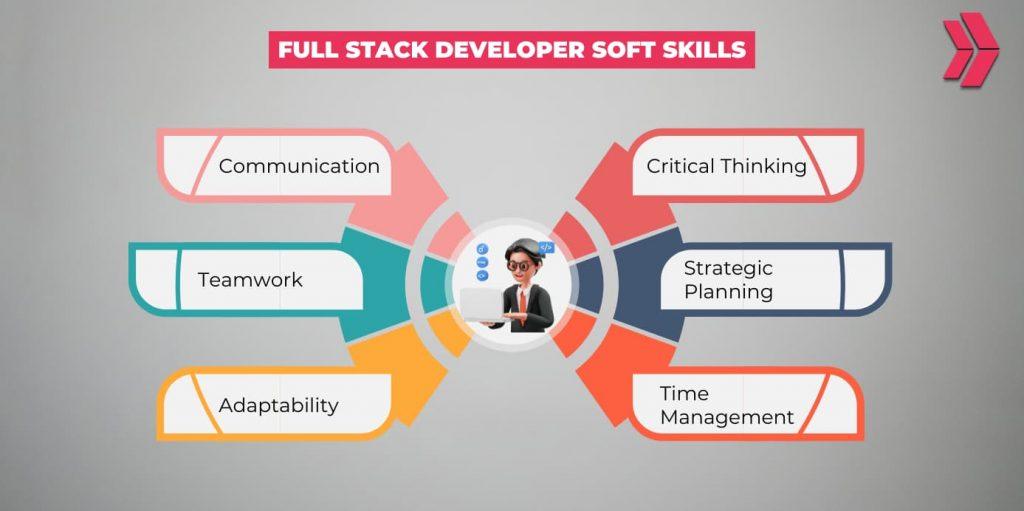
Soft Skills
- Collaboration: Work with diverse teams of educators, IT staff, and stakeholders.
- Communication: Translate technical details for non-technical audiences.
- Problem-Solving: Innovate creative solutions for complex educational challenges.
- Adaptability: Stay updated with emerging EdTech trends and tools.
How to Build Experience: Practical Tips to Stand Out
Transitioning into a Full Stack Developer role for universities or schools takes more than coursework. Here’s how to accelerate your career launch:
- Portfolio Projects: Create EdTech application prototypes or contribute to open source educational projects. Examples include custom Learning Management Systems (LMS), online quiz platforms, or student assessment dashboards.
- Internships and Volunteering: Seek out internships or volunteer with nonprofit educational organizations to gain real-world experience.
- Certifications: Complement your degree or bootcamp certificate with recognized industry certifications in cloud computing, security, or front-end frameworks.
- Network: Join EdTech communities, online forums, or attend education technology conferences to stay connected and learn from professionals.
- Stay Current: follow reputable blogs and resources to keep up with the latest trends in education technology and software development.
Benefits of Working as a Full Stack Developer in Education Technology
A career in EdTech as a Full Stack Developer yields both professional and personal rewards:
- Purpose-driven work: Shape tools that empower students and educators,fostering inclusive,effective education.
- Continuous learning: Exposure to ongoing advancements in both software engineering and pedagogy.
- flexibility: Increasing remote and hybrid opportunities as educational institutions embrace digital learning.
- Competitive compensation: Demand for skilled developers in education offers attractive remuneration and benefits.
Popular Job Titles and Career Paths in EdTech
Successful Full Stack Developers in education technology can specialize or move into related roles, including:
- EdTech solutions Developer
- Learning Platform Engineer
- Education Software Architect
- Technical Lead in Academic IT
- Product Manager, Education Technology
- Instructional Technology Developer
Final Thoughts: Launching Your Full Stack Developer Career in EdTech
Education technology is transforming how universities, colleges, and schools deliver learning experiences. By mastering essential Full Stack Developer courses and skills, building a robust portfolio, and developing both technical and soft skills, you position yourself at the forefront of EdTech innovation. With purpose-driven work, exciting challenges, and career stability, the education sector is an outstanding landscape for motivated developers seeking to make a lasting difference.
Take the frist step today: invest in your education, pursue practical projects, and connect with EdTech professionals. Your journey as a Full stack Developer in education technology starts here!