
Full stack Developer Education: Essential Paths, Courses & Skills for Success
Education technology is rapidly transforming the way universities, colleges, and schools deliver learning experiences. As institutions rely more on sophisticated digital platforms, the demand for skilled professionals, especially Full Stack Developers in education technology (EdTech), has risen dramatically. If you’re aspiring to carve out a rewarding career as a Full Stack Developer in the EdTech sector, understanding the essential educational paths, courses, and skills is vital for your success. This comprehensive guide will equip you with the knowledge to excel as a Full Stack Developer in educational settings.
why Choose a Full Stack Developer Role in Education Technology?
Full Stack Developers are the backbone of modern educational platforms, combining both front-end and back-end expertise to build scalable, effective solutions for digital learning.
- High Demand: Educational institutions increasingly require versatile developers to maintain and innovate learning management systems and custom applications.
- Career Growth: The EdTech sector presents excellent opportunities for career advancement and specialization.
- purpose-Driven Work: As a Full Stack Developer in education, you can directly impact student success and learning outcomes.
Essential Paths to becoming a Full Stack Developer in Education
1. Formal education
While it’s possible to become a Full Stack Developer without a formal degree, many universities and schools prefer candidates with postsecondary education related to computer science or software engineering.
- Bachelor’s degree in Computer Science, Software Engineering, or Information Technology.
- Specializations or minors in Education Technology, Learning Sciences, or Digital Media.
2. Bootcamps & Online Courses
Coding bootcamps and online platforms offer intensive training programs that prepare you for real-world development tasks. These are particularly suitable if you’re switching careers or looking for hands-on experiance in Full Stack Development.
- Full Stack Web Development Bootcamps
- Online certifications in javascript, Python, and popular frameworks
- Courses tailored to EdTech, such as designing educational apps or learning management systems
3. Self-Directed Learning
Engaging with open-source projects, building personal portfolios, and contributing to EdTech communities can considerably boost your job prospects.
- Develop sample applications for classrooms or virtual learning
- Attend edtech meetups, webinars, or forums
Key Skills for Success as a Full Stack Developer in Education Technology
Standing out as a Full Stack Developer in edtech requires a blend of technical proficiency and understanding of educational needs. Hear are the essential skills you’ll need:
Technical Skills
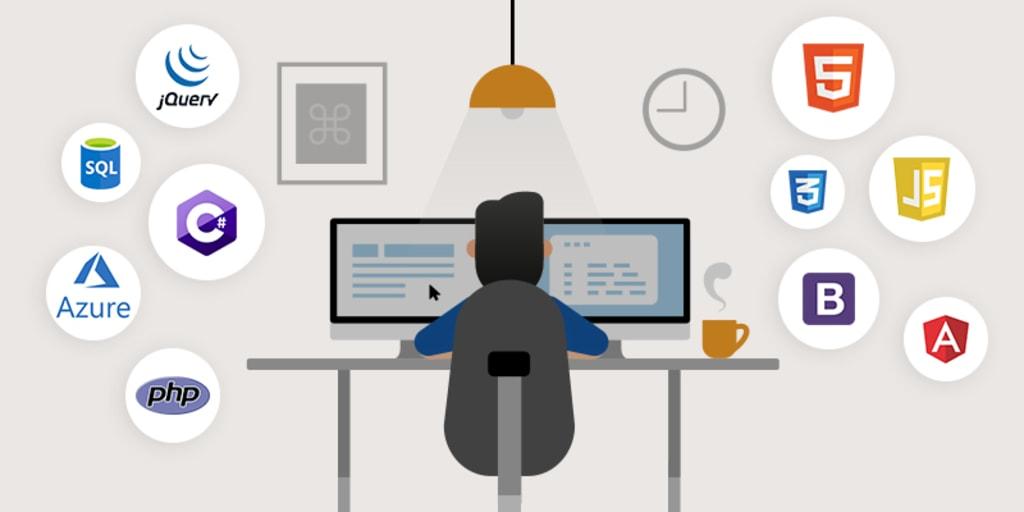
- Programming Languages: Mastery of JavaScript, Python, Java, or Ruby is crucial for both front-end and back-end development.
- Front-End Frameworks: Angular, React, or Vue.js allow you to create dynamic, engaging user interfaces for students and educators.
- Back-End Technologies: Node.js, Django, Ruby on rails – these help you manage databases, authentication, and business logic.
- Database Management: SQL (PostgreSQL,MySQL) and NoSQL (MongoDB) for storing student records,grades,and course materials securely.
- Version Control Systems: Proficiency in Git and GitHub for collaborative development in educational teams.
- API Development: Building RESTful APIs connects different systems, such as learning platforms and content repositories.
- mobile App Development: Skills in developing mobile-responsive applications with frameworks like React Native or Flutter are highly valued.
Soft skills & EdTech Knowledge
- Understanding of Pedagogy: Awareness of how students learn and how technology supports differentiated instruction.
- Collaboration: Working with educators,administrators,and instructional designers.
- Problem-Solving: critical thinking to address unique challenges in education environments.
- Security & Accessibility: Ensuring data privacy and accessible app design for all learners.
- Project Management: Organizing development cycles and prioritizing features beneficial for educational outcomes.
Recommended courses for Full Stack Developer Education Roles
Investing in targeted courses will help you stand apart from other candidates and prove your expertise in the EdTech sector. Here are types of courses to pursue:
- full Stack Web Development: Covering HTML, CSS, JavaScript, databases, frameworks, and deployment.
- education Technology Tools: Courses introducing popular LMS (Learning Management Systems) like Moodle or canvas, and their integration.
- UI/UX for Educational software: Focused on designing interfaces for diverse learner groups.
- Data Security & Privacy: Specific to handling sensitive student data in educational institutions.
- APIs & Integrations: Building services that connect EdTech applications with third-party resources.
- Mobile App Development: developing cross-platform educational apps for tablets and smartphones.
Benefits of Working as a Full Stack Developer in Higher Education and Schools
The advantages of pursuing a Full Stack Developer career in educational technology are both professional and personal:
- Meaningful Impact: Your work contributes directly to enhancing learning experiences and outcomes.
- Stable Career Opportunities: Universities, colleges, and schools increasingly invest in technology, ensuring sustainable demand.
- Access to Cutting-Edge Tools: Exposure to the latest in software and education technology innovation.
- Collaborative Environment: Work alongside educators, IT teams, and researchers in a mission-driven setting.
- Continuous Learning: The dynamic nature of EdTech offers regular opportunities to upskill and experiment with innovative ideas.
Practical Tips for Landing a Full Stack Developer Job in Education
Entering the education technology sector as a Full Stack Developer requires purposeful planning.Here are actionable steps:
- Build an EdTech Portfolio: Create sample projects relevant to learning environments, such as virtual classrooms or assessment tools.
- Gain Experience With LMS Platforms: Familiarize yourself with Moodle, Canvas, Blackboard, and their APIs.
- Contribute to Open source: Engage with educational open-source projects to showcase teamwork and technical skills.
- Stay Informed on EdTech Trends: Read industry blogs and participate in webinars or local meetups focused on educational innovation.
- Tailor Your resume: Highlight technical skills, previous educational projects, and any certifications relating to EdTech or accessibility standards.
- Network with Education Professionals: Connect with educators, administrators, and IT leaders in your target institutions.
- Prepare for Interviews: Be ready to discuss how your technical skills solve challenges specific to education settings, including student engagement and secure data handling.
Common Challenges and Solutions in Educational Full Stack Development
Full Stack Developers in the education sector frequently enough encounter unique obstacles. Here are a few challenges and strategies to overcome them:
- Lack of Standardization: Schools and universities may use different platforms. Adapt by learning integration techniques and open standards.
- High Security Requirements: Student data privacy is paramount. Stay current with best security protocols and legal frameworks (like FERPA).
- Accessibility for diverse Learners: Apply WCAG guidelines and test with real users to ensure platforms are inclusive for all students.
- Frequent Technology Updates: Dedicate regular time to learn about new tools and advancements in EdTech.
- Balancing Innovation and Usability: Engage educators and students in feedback cycles to ensure new features are genuinely helpful and easy to use.
conclusion: your Pathway to Success as a Full Stack Developer in Education
Building a career as a Full Stack Developer in education technology offers an chance to merge technical expertise with a deep sense of purpose. by following the essential educational paths, investing in relevant courses, and cultivating the right skills, you’ll be equipped to thrive in universities, colleges, and schools. Whether you’re just starting or seeking to transition into EdTech, proactive learning, networking, and a commitment to meaningful impact will pave your way to success in this dynamic, rewarding industry.
Start your journey today, and become the driving force behind innovative educational experiences that empower learners and educators alike.