
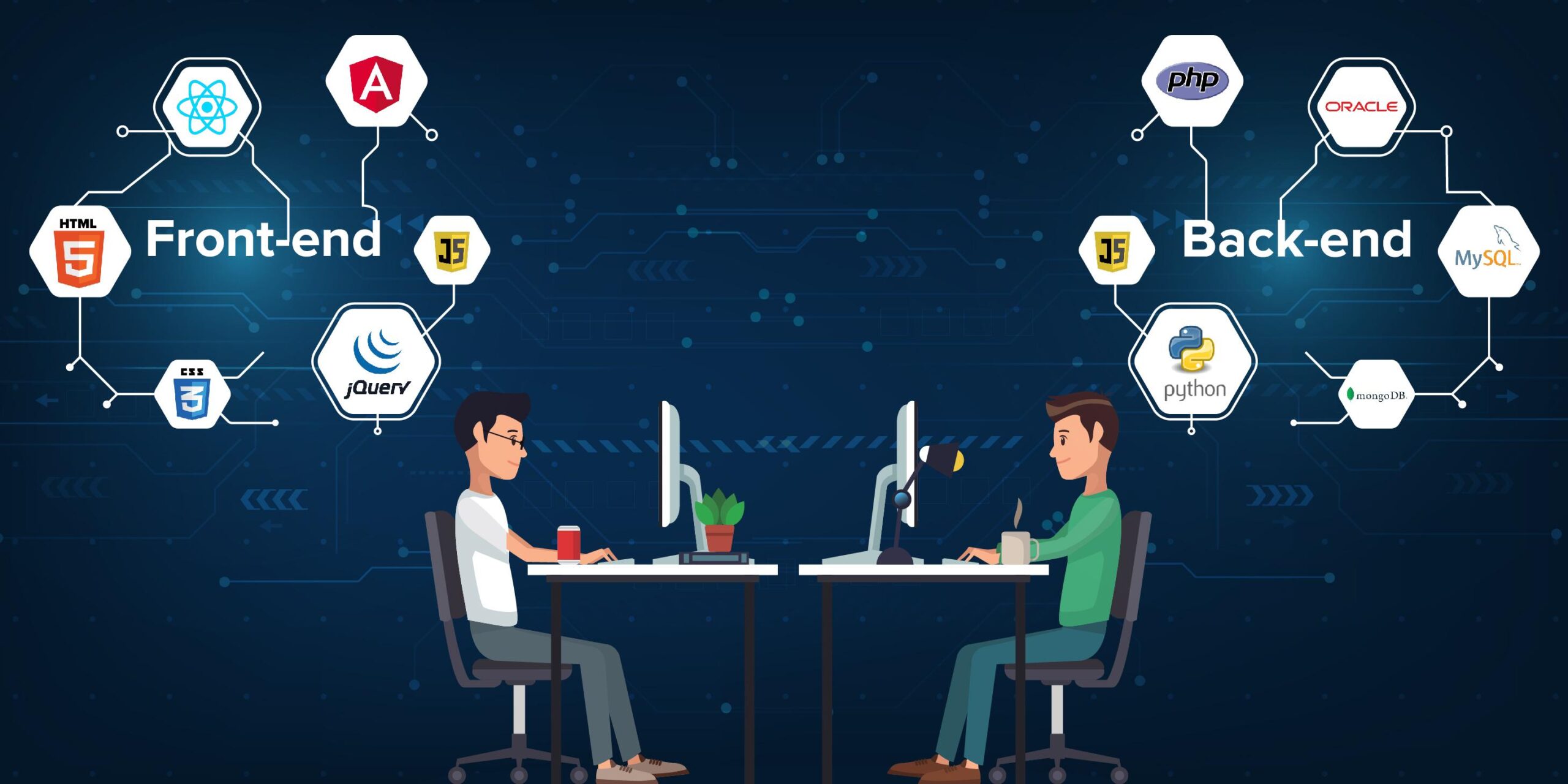
Full Stack Developer Education: Essential Paths, Skills & Courses for Success
If you’re passionate about technology and education, becoming a Full Stack Developer in the EdTech sector could be your ideal career path. As digital transformation reshapes schools, colleges, and universities, Full Stack Developers are at the forefront, designing innovative tools that enhance learning experiences and streamline administrative processes. This thorough guide covers education pathways, key skills, must-have courses, and actionable tips to help you pursue a high-impact role as a Full Stack Developer in the education sector.
Understanding the Role: Full Stack Developer in Education Technology
Full Stack Developers in educational institutions play a vital role in building, optimizing, and maintaining technology solutions that support academic delivery and operations. Whether developing Learning Management Systems (LMS), student portals, or digital assessment tools, these professionals must master both front-end and back-end growth while understanding the unique challenges and needs of the education environment.
- Front-end: Focuses on what users interact with – the website or request’s interface.
- Back-end: Manages data, databases, server-side logic, and integration with other systems.
- EdTech specifics: May involve integration with educational platforms, accessibility standards, security, and compliance with regulations like FERPA or GDPR.
Why Pursue a Full Stack developer Career in EdTech?
Educational technology offers diverse benefits for Full Stack Developers who want to make a real difference:
- Purpose-driven work: Empower educators and students, transforming how knowledge is delivered and acquired.
- Continuous learning: Work with emerging technologies – from AI-driven adaptive learning to mobile-first applications.
- Job stability: Educational institutions increasingly rely on technology, driving greater demand for skilled developers.
- Collaborative culture: Team up with educators,instructional designers,and IT professionals for meaningful projects.
- Room for growth: Advance into roles such as Lead Developer, Solutions Architect, or Product Manager within EdTech organizations.
Essential Education Paths for Full Stack Developers in EdTech
The journey to becoming a Full Stack developer in education is flexible, but a solid foundation in computer science and facts technology is crucial. Explore these primary avenues:
Bachelor’s Degree
- Bachelor’s in Computer Science,Information Systems,or Software engineering is highly preferred.
- Relevant coursework includes web development, databases, algorithms, and project management.
- Consider minors or electives in educational Technology or Instructional Design to understand pedagogical principles and user needs.
Bootcamps & Online Courses
- Intensive Coding Bootcamps offer fast-tracked training in MERN, MEAN, or LAMP stacks.
- Online platforms provide courses in front-end frameworks (React, Angular, Vue), back-end development (Node.js, Django, Ruby on Rails), and education-specific tools (Moodle, Blackboard).
- certifications in full stack web development signal readiness to employers even without a formal degree.
Advanced Degrees
- Master’s programs in Educational Technology or Software Engineering lead to higher-level roles and specialized knowledge, especially in research-intensive university environments.
Core Skills for Full Stack Developer Success in Education
To thrive as a Full Stack Developer in educational settings, you’ll need a dynamic blend of technical and soft skills. These core competencies equip you to tackle challenges unique to the EdTech landscape:
Technical Skills
- Front-end Technologies: HTML, CSS, JavaScript, plus frameworks/libraries like React, Vue, or Angular.
- Back-end technologies: Node.js, Django, Ruby on Rails, .NET, or PHP. Familiarity with API design and RESTful services is vital.
- Database Management: Proficiency in SQL (mysql, PostgreSQL) and NoSQL (MongoDB) databases.
- Version Control: Git and GitHub for team collaboration and code management.
- Security & Compliance: Data privacy (FERPA, GDPR), authentication, encryption, and vulnerability mitigation.
- Cloud Computing: Deploy web applications using AWS, Azure, or Google Cloud platforms.
- Mobile Development: Responsive design or native mobile application skills can be an asset.
Soft Skills & EdTech Knowledge
- Problem-solving: Ability to translate educational needs into practical software solutions.
- Collaboration: Working closely with non-technical stakeholders (faculty, instructional designers).
- Project Management: Experience with Agile or Scrum methodologies.
- Accessibility: Adhering to WCAG and other accessibility standards for inclusive digital experiences.
- Continuous Learning: keeping updated with EdTech trends, emerging tools, and pedagogical best practices.
Top Courses and Certifications for Full stack Developers in Education
Investing in targeted courses and certifications boosts your employability and ensures you’re skilled in cutting-edge technologies. Consider enrolling in:
University Programs
- BSc/MSc in Computer Science or Educational Technology
- Postgraduate certificates in instructional Design or Technology Integration
Popular Online Courses & Bootcamps
- Full Stack Web Development Tracks (covering HTML, CSS, JS, back-end stacks)
- React, Angular, Vue Masterclasses for front-end proficiency
- Node.js, Django, PHP Courses for server-side development
- Database Foundations and Advanced SQL/NoSQL skills
- Certificate in EdTech Tools: Training on educational platforms like Moodle, Canvas, Blackboard
- Courses on Cloud Deployment (AWS, Azure, Google Cloud)
- Accessibility and User Experience in Education
- Cybersecurity for educational applications
Certifications
- Certified Full Stack Web Developer
- AWS Certified Developer – Associate or Microsoft Certified: Azure Developer Associate
- Certified Moodle Developer (for those focusing on LMS solutions)
Practical Tips to Land a Full Stack Developer Job in edtech
Standing out in the competitive edtech job market requires a strategic approach. Adopt these practical steps to boost your profile and secure interviews:
- Build a portfolio: Showcase web apps, LMS plugins, or tools designed for education. Real-world demos resonate with hiring committees.
- Contribute to open-source EdTech projects: Sites like GitHub host projects on digital assessment, LMS platforms, etc.
- Gain experience through internships: Join university IT departments or EdTech startups to build hands-on expertise.
- Network: Attend education technology conferences, meetups, and online forums to expand your connections.
- Customize your resume: Use keywords like “Full Stack Developer,” “EdTech,” “LMS,” “Accessibility,” and relevant technology stacks.
- Stay informed: Follow EdTech trends – think about personalized learning, AI in education, VR/AR, digital credentials, and adaptive assessments.
Benefits of Working as a Full Stack Developer in the Education Sector
Choosing the Full Stack Developer path in education technology delivers professional and personal rewards:
- Impactful work: Assist educators in delivering engaging instruction and help students achieve their potential.
- Work-life balance: Many schools, colleges, and universities offer generous benefits and flexible schedules.
- Innovative environment: Collaborate on groundbreaking projects that shape the future of learning.
- Career advancement: Progress quickly into senior developer, architect, or managerial roles.
- Community involvement: Be part of a mission-driven team striving for educational equity and inclusivity.
Conclusion: Take the Next Step Toward a Thriving EdTech Career
Education technology is rapidly evolving, making Full stack Developers indispensable for today’s schools, colleges, and universities. By mastering essential coding skills, pursuing targeted courses, and understanding the particular challenges of educational environments, you can launch a fulfilling career that combines technological innovation with educational impact.Whether you’re building interactive platforms,securing student data,or streamlining faculty workflows,your role as a Full Stack Developer in EdTech will shape the way people learn for years to come.
Invest in the right education, cultivate core and specialized expertise, and connect with the vibrant EdTech community. With dedication and preparedness,you’ll unlock exciting opportunities and drive meaningful change in the education sector.