
Full Stack developer Education: Essential Paths, Skills & Degrees for Career Success
Are you passionate about technology and education? Looking for a meaningful career as a Full Stack Developer in the vibrant world of education technology (EdTech) at universities, colleges, or schools? You’re in the right place! this thorough guide breaks down the pathways, skills, and qualifications you need to succeed as a Full Stack Developer in the education sector. Whether you’re just starting or ready to level up, you’ll discover how to build a rewarding and future-proof career at the intersection of technology and education.
why Pursue a Full Stack Developer Role in Education Technology?
Education technology (EdTech) is transforming the way we teach and learn. As a Full Stack Developer, you play a pivotal role in designing robust educational platforms, learning management systems, virtual classrooms, and innovative apps that empower educators and learners. With the continual digital evolution in universities, colleges, and schools, the demand for skilled developers in the EdTech space is increasingly high.
- Impactful Work: Help shape the future of learning and make education more accessible.
- Growing Job Market: edtech is a booming industry with expanding opportunities.
- Creative Problem Solving: Address real-world educational challenges with technology.
- Community & Collaboration: Work with educators, administrators, students, and other tech professionals.
What is a Full Stack Developer in Education Technology?
A Full Stack Developer in the EdTech sector is a versatile IT professional who develops both the front-end (user interface) and back-end (server, database) components of web and mobile applications used in schools, colleges, and universities. Whether building new features for an online assessment platform or ensuring seamless online student enrollment, Full Stack Developers are an integral force behind educational innovation.
Core Responsibilities
- Designing,developing,and maintaining web and mobile education applications
- collaborating with educators and academic staff to ensure user-centered solutions
- Implementing data security and privacy standards (essential for handling student data)
- Testing and deploying new features
- Troubleshooting,debugging,and optimizing application performance
Essential Education Paths for Full Stack Developers in EdTech
While ther is no singular route to becoming a Full Stack Developer in education technology,certain educational paths and degrees can give you a competitive edge,especially for roles at universities,colleges,or leading K-12 schools.
1. Bachelor’s Degree
- Computer Science
- Software Engineering
- Information Technology
- Web Advancement
- Educational Technology (with a technical track)
A bachelor’s degree is often preferred by employers in higher education for Full Stack Developer positions. Coursework typically covers programming, databases, algorithms, and system architecture—crucial for building EdTech platforms.
2. Master’s Degree (Optional but Advantageous)
- Computer Science
- Human-Computer Interaction
- Instructional technology
A master’s degree can set you apart for senior or specialized Full Stack Developer roles, especially at top-tier universities or EdTech companies that partner with higher education institutions.
3. Coding Bootcamps and Certifications
Intensive Full Stack Developer bootcamps and certifications can supplement formal education or offer a quicker entry into the field. Look for programs with hands-on curriculum in:
- Front-end and back-end frameworks (e.g.,React,Angular,Node.js, Django)
- Database technologies (e.g., MongoDB, MySQL, PostgreSQL)
- Cloud platforms and deployment (e.g., AWS, Azure, Google Cloud)
Key Skills Required for Full Stack Developers in Educational Institutions
To thrive as a Full Stack Developer in universities, colleges, or schools, mastering both technical and soft skills is essential. Here’s what top employers are looking for:
Technical Skills
- Front-End Development: HTML,CSS,JavaScript,frameworks (React,Vue,Angular)
- Back-end Development: Node.js, Python, Ruby, Java, or PHP
- Database Management: SQL & NoSQL databases
- API Integration: RESTful and GraphQL services
- Version Control: Git & GitHub
- Testing & Debugging: Unit testing, automated testing frameworks
- Security: Data privacy, authentication, and user security standards, especially for student data (FERPA, GDPR)
- DevOps Basics: CI/CD pipelines, Docker, cloud deployment
Soft Skills
- Interaction: Translate technical jargon for educators and staff
- Collaboration: Work with cross-functional teams (faculty, IT, administration)
- Critical Thinking: Innovate and solve educational challenges
- Adaptability: keep up with evolving EdTech trends and tools
- Project Management: Agile methodologies, task prioritization, and time management
degrees and Certifications to Boost Yoru Resume
Here’s a summary of the best degrees, certifications, and courses that can enhance your job prospects as a Full Stack Developer in education technology:
- Bachelor’s Degree: Most preferred by universities and colleges
- Master’s Degree: For career growth and specialized positions
- Professional Certifications: AWS Certified Developer, Microsoft Certified: Azure Developer, Google Associate Cloud Engineer
- Full Stack Development Bootcamp Certificate
- Scrum/Agile Certifications: Useful for project management in educational settings
Benefits of Working as a Full Stack Developer in Education Tech
- Meaningful Mission: Create technology that improves educational access and outcomes for thousands of students and educators
- Diverse Work: Every project is different, from student portals to online testing platforms
- Good Work-Life Balance: Many educational institutions offer flexible schedules and generous leave policies
- Job Security: Education is a stable, long-term sector
- Collaborative Habitat: Engaging with passionate educators and learners
Practical Tips to Succeed in EdTech as a Full Stack Developer
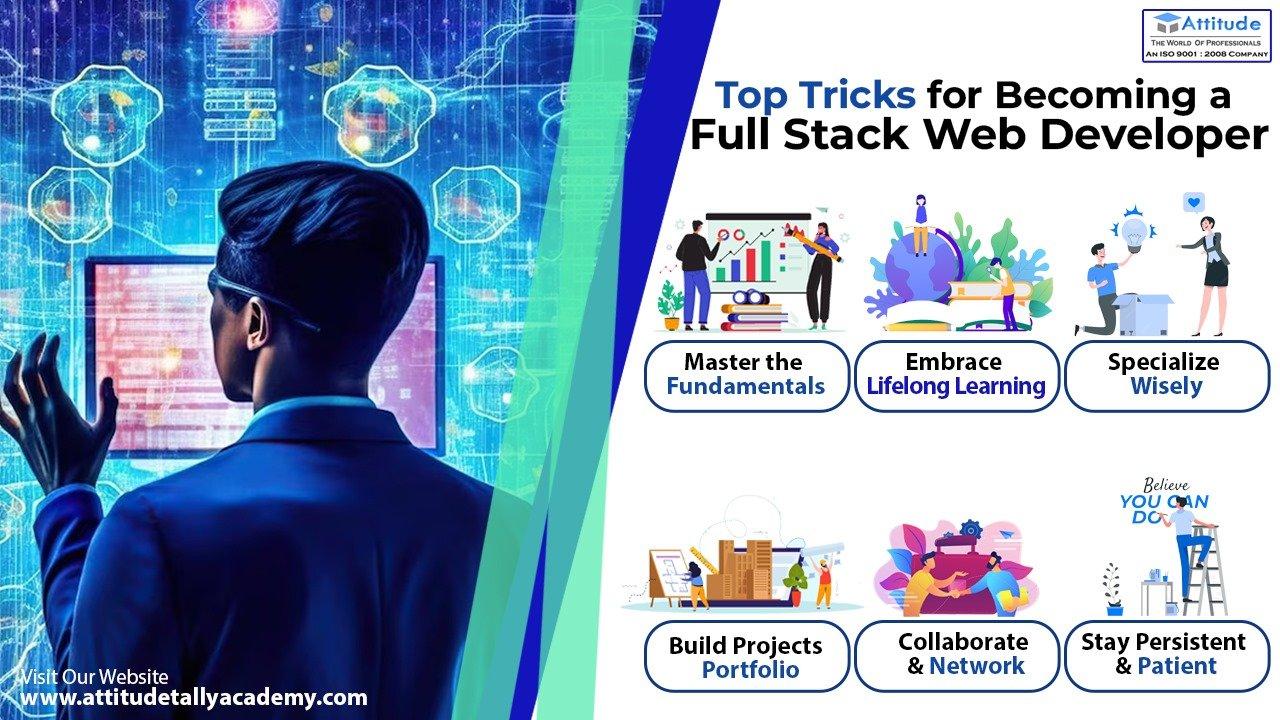
- Build an EdTech Portfolio: Develop mock EdTech projects (e.g. classroom management apps, grading systems) to showcase your relevant skills.
- Stay Updated: Follow edtech news,attend webinars,and join professional networks related to education technology.
- Contribute to Open Source: Volunteer on open source projects that benefit schools or learning communities.
- Understand User Needs: spend time with end-users to learn about the real challenges faced by educators and students.
- emphasize Accessibility: Learn web accessibility standards (WCAG) for inclusive educational technologies.
- Highlight Soft Skills: Demonstrate your collaboration and communication strengths—invaluable in educational collaborations.
Top Career Paths and Advancement opportunities in EdTech
Starting as a full Stack Developer in an educational setting opens doors to various growth paths:
- Lead Developer or Technical Architect: Oversee larger EdTech projects and mentor junior developers
- Product Manager: Combine technical knowledge with educational needs to shape groundbreaking products
- DevOps Engineer: Focus on deployment, automation, and scalability in educational environments
- Senior EdTech Developer: Lead innovation for major universities or EdTech firms
- Consultant or Solution Expert: Advise schools and colleges on adopting or implementing new technologies
Conclusion: Your Pathway to Career success as a Full Stack Developer in Education
Pursuing a career as a Full Stack Developer in education technology offers a unique blend of technical challenge, community impact, and professional growth.By investing in the right Full Stack Developer education— including relevant degrees, certifications, and real-world skills — you’re equipping yourself for a dynamic role that truly matters.
stay curious, continue learning, and don’t hesitate to connect with educational professionals as you build your portfolio. With the right mix of passion,technical ability,and understanding of educational needs,you’ll be well on your way to a successful and rewarding career in EdTech at universities,colleges,or schools.