
Full stack Developer Education: Essential Pathways, Skills, and Certification Guide
Are you aiming to launch your career as a Full Stack Developer in the education technology sector? Whether you envision working at a cutting-edge university, an innovative college, or a forward-thinking school, full stack developers are in high demand for their versatility and technical expertise. This guide provides a comprehensive overview of the essential pathways, in-demand skills, and certifications needed to land your dream job in EdTech. Read on to discover how you can stand out in the competitive job market and shape the future of education through technology.
Why Choose a Full Stack Developer Role in Education Technology?
Education technology, often abbreviated as EdTech, is revolutionizing the conventional learning landscape. By integrating modern software solutions into teaching and learning processes, institutions can enhance engagement, personalize learning, and streamline administration. Full stack developers are central to this transformation, building robust web platforms, mobile applications, and data systems that empower educators and students.
- High Demand: Universities, colleges, and schools are steadily increasing investments in technology-driven solutions, creating abundant job opportunities.
- Diverse Projects: From Learning Management Systems (LMS) to student portals and virtual classrooms, EdTech developers tackle a wide variety of meaningful projects.
- Social Impact: Your work contributes directly to improving access to quality education and overall learning experiences.
- Continuous Innovation: EdTech fosters a culture of constant learning and growth, blending technology trends with educational best practices.
Essential Educational Pathways
Becoming a triumphant full stack developer for education technology requires a blend of formal education, self-learning, and practical experience. Here’s a breakdown of typical educational pathways:
1. Formal Education
- Bachelor’s Degree: Most employers prefer candidates with a bachelor’s degree in computer science, software engineering, facts technology, or a related field.
- Relevant Coursework: Focus your studies on web development, database management, cloud computing, algorithms, UI/UX design, and cybersecurity for education.
- Graduate Degrees: Master’s programs in educational technology or software engineering can offer a competitive edge, especially for research or lead developer roles.
2. Bootcamps and Online Learning
- Full Stack Development Bootcamps provide immersive, project-based learning in front-end and back-end technologies.
- Online courses offer flexibility to learn modern tech stacks like React, Angular, Node.js, Django, and Ruby on Rails at your own pace.
3. Practical Experience
- Hands-on internships or volunteer work at schools, colleges, and universities can provide direct exposure to EdTech projects.
- Contributing to open-source educational tools and platforms demonstrates initiative and technical prowess.
Core Skills for EdTech Full Stack Developers
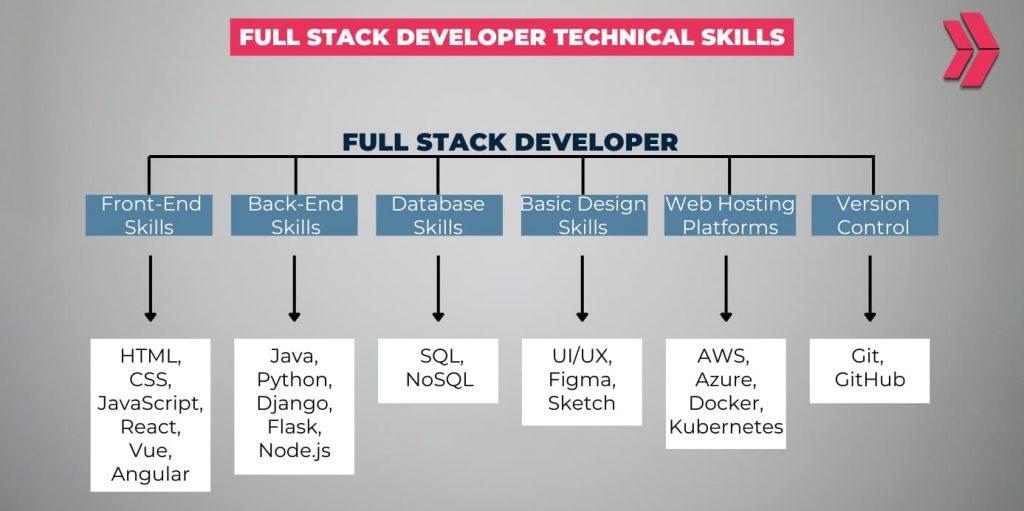
To thrive as a full stack developer in education environments, you’ll need a versatile skill set.Employers typically search for proficiency in both front-end and back-end development, alongside strong communication and problem-solving abilities.
Technical Skills
- Front-End Development: HTML, CSS, JavaScript, and frameworks such as React, Angular, or Vue.js.
- Back-End Development: Node.js, Python (Django/Flask), Ruby on Rails, PHP, or Java (Spring Boot).
- Database management: SQL (MySQL, PostgreSQL), NoSQL (MongoDB), and database optimization strategies.
- Version Control: Expertise in Git and collaborative software development using GitHub or similar platforms.
- API Design & Integration: Building RESTful and GraphQL APIs is essential for connecting platforms and services in education systems.
- Cloud Services: Familiarity with AWS, Azure, or Google Cloud for app deployment and scaling educational applications.
- Testing & Debugging: Unit testing, automated testing frameworks, and bug-fixing best practices ensure reliable educational software.
- Accessibility & Security: Adhering to WCAG standards, GDPR compliance, FERPA, and general cybersecurity for student data protection.
soft Skills
- Communication: Effective interaction with educators, administrators, and non-technical stakeholders.
- project Management: Understanding Agile, scrum, or Kanban methodologies for delivering educational projects on time.
- Problem-Solving: Creatively addressing challenges unique to education, such as large-scale student data or adaptive learning paths.
- Collaboration: Working cohesively in multidisciplinary teams including instructional designers and subject matter experts.
Certification Guide for Full Stack Developers in Education Technology
Certifications can validate your technical expertise and understanding of the educational domain, making your resume stand out to employers in universities, colleges, and schools.
- Full Stack Web Development Certificates: Programs offered by recognized platforms help solidify your knowledge in front-end and back-end development.
- Cloud Practitioner Certifications: AWS Certified Cloud Practitioner or Google Associate Cloud Engineer demonstrate abilities to deploy scalable applications for large institutions.
- Database certifications: Certifications like Microsoft Certified: SQL Database Specialist or MongoDB Certified Developer prove proficiency in managing educational data.
- security Certifications: CompTIA Security+ or Certified Information Systems Security Professional (CISSP) are valuable for protecting sensitive student information.
- Specialized EdTech Certificates: Some universities and organizations offer certificates in educational technology integration and software development specifically for the education sector.
Benefits of Working in EdTech as a Full Stack developer
- Meaningful Work: Knowing your code directly impacts the effectiveness of teaching, learning, and student support.
- Professional Growth: The education sector encourages lifelong learning and regularly adopts new technologies for continuous upskilling.
- Job Security: Education institutions are robust employers, frequently enough offering competitive salaries and benefits packages.
- Innovative Environment: Working on pioneering projects, such as AI-driven adaptive learning, virtual classrooms, or gamified coursework.
- Work-Life Balance: Many schools and universities prioritize employee well-being, providing flexible hours and hybrid or remote work opportunities.
Practical Tips for Landing EdTech Full Stack Developer Jobs
Stepping into the world of education technology as a developer requires strategic planning. Here are some actionable ways to increase your employability:
- Develop an Outstanding Portfolio: include projects like learning management systems, grading tools, or virtual assignment platforms.
- Stay Up-to-Date: Keep current with the latest EdTech trends, such as adaptive learning, gamification, and artificial intelligence in education.
- Gain Real-World Experience: Seek internships, volunteer work, or part-time roles at educational institutions to strengthen your CV.
- Showcase Communication skills: Include examples where you worked closely with educators or administrators to solve practical problems.
- Customize Your Resume: Tailor your resume and cover letter to emphasize experience and interest in education-related projects.
- Network: Attend education technology conferences, webinars, or local meetups to connect with industry professionals and recruiters.
Emerging Trends in Education Technology for Developers
the EdTech landscape is continuously evolving. Full stack developers who stay ahead of the curve can create innovative solutions for universities and schools:
- AI and Machine Learning: Building intelligent systems for personalized learning and automated grading.
- Cloud-Based Learning Platforms: Developing scalable,secure platforms for remote and hybrid instruction.
- Mobile Learning Apps: Creating accessible educational apps for smartphones and tablets, expanding reach beyond traditional classrooms.
- Gamification: Integrating game elements to boost student engagement and retention.
- data Analytics: Visualization and analysis tools for student performance, attendance, and institutional planning.
- EdTech Security: Implementing robust security protocols to safeguard sensitive academic and personal data.
Conclusion: Your roadmap to a Rewarding EdTech career as a Full Stack Developer
The journey to becoming a full stack developer in the education technology sector is both exciting and rewarding. By embracing the right educational pathways, mastering core skills, earning valuable certifications, and keeping pace with industry trends, you’ll be well-positioned to make a lasting impact in universities, colleges, or schools. Remember, success in EdTech comes from a passion for learning, adaptability, and the drive to create innovative solutions. invest in your growth, develop your portfolio, stay connected with the community, and you’ll find yourself thriving in one of the most influential and fulfilling career fields of the digital age.
Ready to embark on your full stack developer journey in education technology? Start building your skills today and help shape the future of learning!