
Full Stack Developer Education: essential Pathways & Skills for Success
Are you passionate about technology and education? Do you dream of creating impactful digital solutions for students and educators at universities, colleges, or schools? If so, a career as a Full Stack Developer in Education Technology (EdTech) might be your best path. In this extensive guide, we’ll walk you through everything you need to know—key roles, the educational roadmap, essential skills, benefits, and practical tips to excel as a full stack developer in the EdTech sector.
Understanding the Role: Full Stack Developer in Education Technology
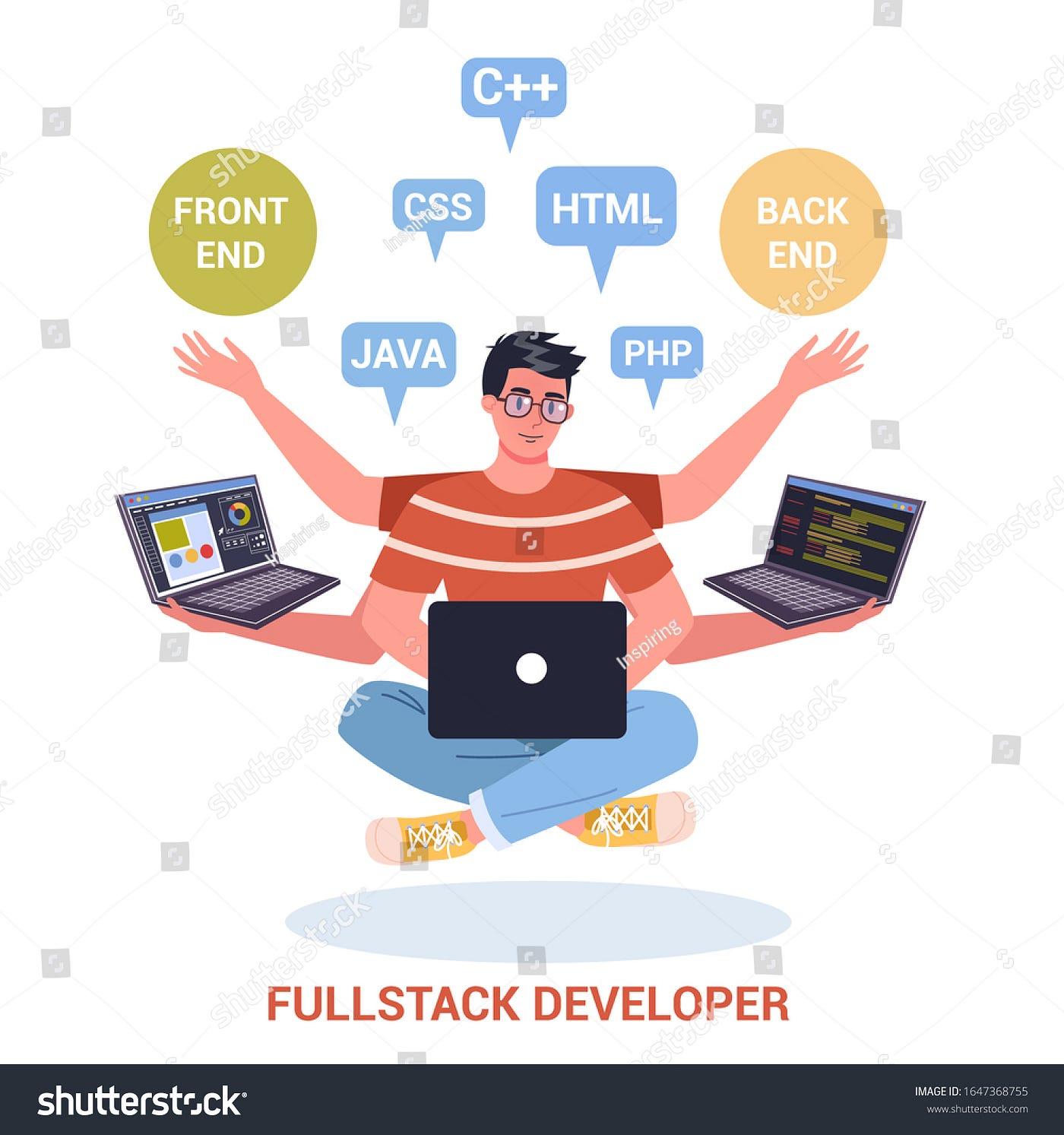
Full Stack developers working in universities, colleges, or schools are responsible for designing and implementing robust educational platforms. They work on both the front-end (what users see and interact with) and the back-end (the server, database, and submission logic). their work is pivotal in creating seamless, user-amiable online classrooms, learning management systems (LMS), assessment tools, and more.
- Front-end: Developing interactive dashboards, portals, and user interfaces for students, educators, and administrators.
- Back-end: Building reliable server-side logic, managing databases, and ensuring data security and privacy.
- Integration: Connecting educational apps with institutional systems for enrollment,grading,reports,and analytics.
Why Choose a career in EdTech as a Full Stack Developer?
The EdTech sector is rapidly growing, making it one of the most exciting areas for tech professionals. A full stack developer in education has the unique opportunity to:
- Drive Innovation: Directly improve teaching and learning experiences for a diverse range of learners.
- Work on Meaningful Projects: Build solutions that increase accessibility,equity,and engagement in education.
- stay in Demand: As remote and digital learning become mainstream, skilled EdTech developers are highly sought after.
- Collaborate Across Fields: Work with educators, administrators, designers, and IT professionals to make a real difference.
Educational pathways: How to Become a Full Stack Developer in EdTech
Aspiring to be a Full Stack Developer in universities, colleges, or schools? Here are the core steps to consider:
1.Obtain Relevant Education
- Bachelor’s Degree: Most positions require a degree in Computer science, Software Engineering, Information technology, or a related field.
- EdTech Certifications: Courses or certifications in educational technology and instructional design can definitely help you understand the field’s nuances.
- Continuous Learning: Stay updated by taking online courses in modern web technologies, databases, cloud computing, and cybersecurity.
2. Technical Skills Acquisition
- Front-End: HTML5,CSS3,JavaScript; frameworks like React,Angular,or Vue.js.
- Back-End: Node.js, Python (Django/Flask), Java (Spring), Ruby on Rails, PHP, or .NET technologies.
- Database Management: Experience with SQL databases (PostgreSQL, MySQL), and/or NoSQL databases (MongoDB).
- Version Control: Proficiency with Git and collaborative platforms like GitHub.
- APIs: Building and integrating RESTful and GraphQL APIs.
- Testing: Knowledge of unit and integration testing tools (Jest, Mocha, JUnit).
3. understanding EdTech Ecosystems
- LMS & Platforms: Familiarity with Moodle, Canvas, Blackboard, or custom solutions.
- Accessibility Guidelines: Knowledge of WCAG and best practices for building inclusive web applications.
- Data privacy Regulations: Awareness of FERPA, GDPR, and institutional compliance requirements.
Top Skills for a Successful Full Stack Developer in Education
- Problem-Solving: Ability to analyze educational challenges and engineer creative software solutions.
- Communication: working closely with non-technical stakeholders, educators, and students to gather requirements.
- Project Management: Agile methodologies,sprint planning,and task prioritization.
- UI/UX Sensibility: Designing easy-to-use and accessible interfaces for diverse users.
- Security Awareness: Prioritizing data privacy, student records protection, and secure authentication.
- Adaptability: Keeping up-to-date with technological and pedagogical trends in education technology.
The Typical Career Path for EdTech Full Stack Developers
Here’s how your journey as a Full Stack Developer in education might look:
- Internships/Junior Developer Roles: Start by contributing to education-focused projects or interning at university or school IT departments.
- Full Stack Developer: Manage both front-end and back-end systems, collaborating on full product cycles from analysis to deployment.
- Senior developer/Specialist: Tackle complex integrations, lead projects, mentor juniors, and influence key architectural decisions.
- Team Lead/Engineering Manager: Move into supervisory positions, driving innovation and aligning technology with educational strategy.
- EdTech Product Architect: Specialize in designing large-scale platforms, influencing technology choices and policies at universities or colleges.
Benefits of Working as a Full Stack Developer in Education
- Job Stability: Educational institutions are established employers seeking long-term digital transformation.
- Collaborative Work Environment: Work with purpose-driven teams, often in flexible or hybrid settings.
- Opportunity to Innovate: Pioneer new tools—like adaptive learning, gamification, and AI tutoring—for better student outcomes.
- Continuous professional Growth: Access to university resources, courses, and conferences to fuel your learning.
Practical Tips to Land Your First Full Stack Developer Job in Education
- Build an EdTech Portfolio: Contribute to open-source educational projects, or create sample applications like a mini LMS or an online quiz platform.
- Network at EdTech Events: Attend local university career fairs, webinars, and EdTech conferences to meet hiring managers and industry peers.
- Stay Updated: Read industry blogs, join relevant forums, and follow EdTech influencers to remain at the leading edge.
- Highlight Soft skills: Showcase your teamwork, communication, and adaptability in interviews and resumes.
- tailor Your Applications: Research the mission and needs of the institution you’re applying to; customize your portfolio and cover letter accordingly.
FAQs: Becoming a Full Stack Developer in Universities, Colleges, or Schools
What makes EdTech different from other tech sectors?
EdTech places a premium on accessibility, privacy, and the user experience for educators and students. Your solutions must balance technical excellence with pedagogical effectiveness and regulatory compliance.
Do I need experience in both education and software advancement?
While prior educational experience is a plus, it’s not always required. Demonstrating a passion for solving educational problems through technology—and being eager to learn institutional processes—can set you apart.
What advancement opportunities exist for Full Stack Developers in EdTech?
You can grow into senior developer, architect, or managerial roles, or specialize in areas like AI in education, mobile development, or IT policy. Leadership roles often involve cross-departmental collaboration and strategy.
Conclusion: Your Next Steps to a rewarding EdTech Career
The path to becoming a Full Stack Developer in Education Technology at universities, colleges, or schools is rich with opportunity, purpose, and innovation.By equipping yourself with the right education, technical mastery, and soft skills, you’ll be ready to design the next generation of impactful learning platforms. Start building your portfolio, dive into EdTech communities, and bring your unique vision to education—your skills can shape the future of digital learning. Take your first steps towards a fulfilling career today!