
Full Stack Developer Education: Essential Skills and Learning Pathways for 2024
Are you aspiring to make an impact as a Full Stack Developer in education technology? Universities,colleges,and schools are seeking talented professionals who can innovate and build robust digital solutions to enhance the learning experience. In 2024, the demand for full stack developers in EdTech is greater than ever. This comprehensive guide will walk you through the essential skills, learning pathways, benefits, and practical tips to embark on a triumphant career as a full Stack Developer in education.
Introduction: The Role of Full Stack Developers in Education Technology
Full Stack Developers play a pivotal role in the digital change of educational institutions. From developing interactive learning platforms to integrating student databases and optimizing online courses, full stack professionals bridge the gap between teaching methods and tech innovation. As universities, colleges, and schools increasingly rely on technology to deliver quality education, the expertise of a Full Stack Developer becomes invaluable.
Key Responsibilities of a Full Stack Developer in Education
- Designing and developing user-centric educational websites and applications
- Implementing secure authentication systems for students and staff
- Integrating APIs for learning management systems (LMS) and digital libraries
- Optimizing platforms for accessibility, scalability, and performance
- collaborating with educators to understand user needs and provide tailored tech solutions
Essential Skills for Full Stack Developers in 2024
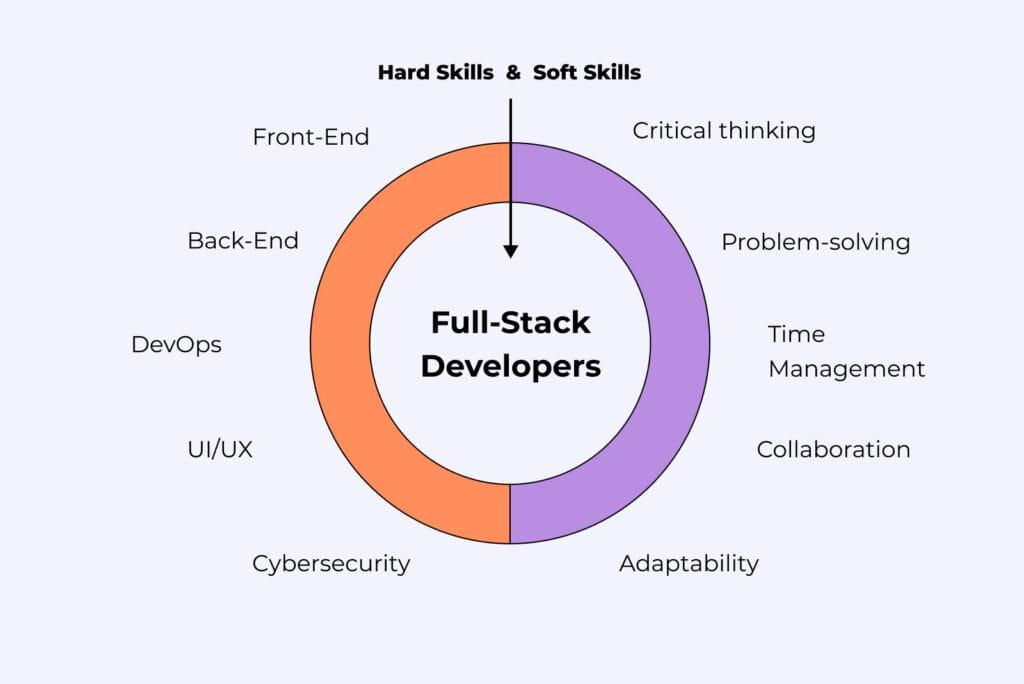
To thrive as a Full Stack Developer within education technology, you’ll need a diverse set of technical and soft skills. Here’s what employers are looking for in 2024:
Technical Skills
- Front-End Technologies: Master HTML5, CSS3, and JavaScript frameworks such as React, Angular, or Vue.js to create engaging, responsive interfaces for students and faculty.
- Back-End Growth: Fluency in Node.js,Python (Django/Flask),Ruby on Rails,or PHP is crucial for building scalable server-side components.
- Database Management: Experience with SQL (MySQL, PostgreSQL) and NoSQL (MongoDB) databases for secure data handling and efficient queries.
- Version Control: Familiarity with Git or similar tools for collaborative development and code management.
- Cloud Platforms and DevOps: Knowledge of AWS, Azure, Google Cloud for deploying solutions.Understanding CI/CD pipelines for continuous integration and deployment.
- API development and Integration: Creating RESTful APIs and integrating third-party educational technologies, including learning analytics and assessment tools.
- Security and Accessibility: Implementing data encryption, secure authentication, and WCAG accessibility standards to protect user data and ensure inclusivity.
Soft Skills
- Communication: effectively collaborating with educators, administrators, and cross-functional teams.
- Problem-Solving: Innovating solutions for challenges unique to educational environments.
- Adaptability: Embracing changing technologies, standards, and pedagogical methods.
- Project Management: Balancing deadlines, budgets, and stakeholder expectations.
- User Empathy: Designing platforms with students and educators in mind, ensuring high usability and engagement.
Learning Pathways to Become a Full Stack Developer for Education
there are multiple career pathways to becoming a Full stack Developer in the educational sector. Whether you’re just getting started or looking to upskill, here are steps you can take in 2024:
Formal education
- Computer Science Degrees: Bachelors or Masters degrees provide foundational knowledge and often include internships or capstone projects focused on EdTech.
- Certificates in Educational Technology: Shorter programs are available in major universities and colleges, focusing on technologies used in academic settings.
Online Courses and Bootcamps
- Full Stack Development Bootcamps: Intensive programs covering front-end, back-end, and cloud technologies, with hands-on projects relevant to education.
- EdTech-Specific Workshops: Training sessions in integration of learning management systems, adaptive learning tools, and e-assessment platforms.
Self-Guided Learning
- Open source Projects: Contribute to educational open-source platforms to gain real-world experience and demonstrate expertise to potential employers.
- Personal Projects: Build portfolios by designing learning tools, grade book applications, or student portals.
- Continuous Professional Development: Stay current with webinars, podcasts, and tech blogs focused on EdTech trends and innovations.
Benefits of Working as a Full Stack Developer in Education Technology
The education sector offers unique benefits for full stack developers seeking meaningful careers:
- Making a Difference: Your technology empowers teachers, improves student outcomes, and advances educational accessibility.
- Professional Growth: Exposure to multidisciplinary teams and the latest tools in both technology and pedagogy.
- Stability and Demand: Educational institutions provide stable work environments, while the need for tech innovation in learning continues to grow.
- Collaborative Culture: Work closely with educators, administrators, and learners to solve real-world problems.
- Prospect for Innovation: The sector welcomes new ideas—whether it’s blended learning, gamification, or AI-powered analytics.
Practical Tips to Launch Your Career as a Full Stack Developer in Education
Ready to take your next step? Here are actionable recommendations for job seekers looking to join universities, colleges, or schools as Full Stack Developers:
- Tailor Your Resume: Highlight EdTech experience, tools, and projects. Use keywords like “learning management systems,” “student portals,” and “e-assessment platforms.”
- Build a Strong portfolio: Showcase web applications or tools designed to solve educational challenges. Demonstrate both front-end and back-end skills.
- Network with EdTech professionals: Participate in educational technology meetups and professional conferences to connect with hiring managers and educators.
- Understand Education Compliance: Learn about FERPA,GDPR,and other data protection laws applicable to educational institutions.
- Stay Updated: Monitor emerging technologies such as AI in education, blockchain for credentialing, and adaptive learning systems.
- Prepare for Interviews: Practice explaining your solutions for accessibility, security, and scalability in educational contexts.
Top Technologies and Tools in Education for Full Stack Developers
Knowledge of current technologies can set you apart when applying for Full Stack Developer roles in education:
- Moodle, Canvas, Blackboard: Most schools use thes learning management systems; familiarize yourself with their APIs and customization options.
- React, Angular, Vue.js: Popular frameworks for building dynamic user interfaces in student-facing applications.
- Node.js, Django, Ruby on Rails: Leading back-end frameworks for scalable systems.
- MongoDB, PostgreSQL: Preferred databases for handling large datasets, including student records and assessment data.
- Docker, Kubernetes: Tools for deploying and scaling applications in campus environments.
- Accessibility Add-ons: Tools and libraries for making educational platforms inclusive for all users.
Conclusion: begin your Full Stack Developer Journey in Education Technology
As educational institutions continue to evolve with digital tools and innovative learning platforms, full stack developers will play an instrumental role in shaping the future of teaching and student engagement. By mastering essential skills, pursuing targeted learning pathways, and embracing the collaborative culture of academia, you can embark on a rewarding career in education technology.
Whether you are a seasoned developer or just starting out,now is the perfect time to seize opportunities in universities,colleges,and schools. Build your expertise, stay curious, and create solutions that make a real difference in education. Your journey as a Full Stack Developer in EdTech starts today!