
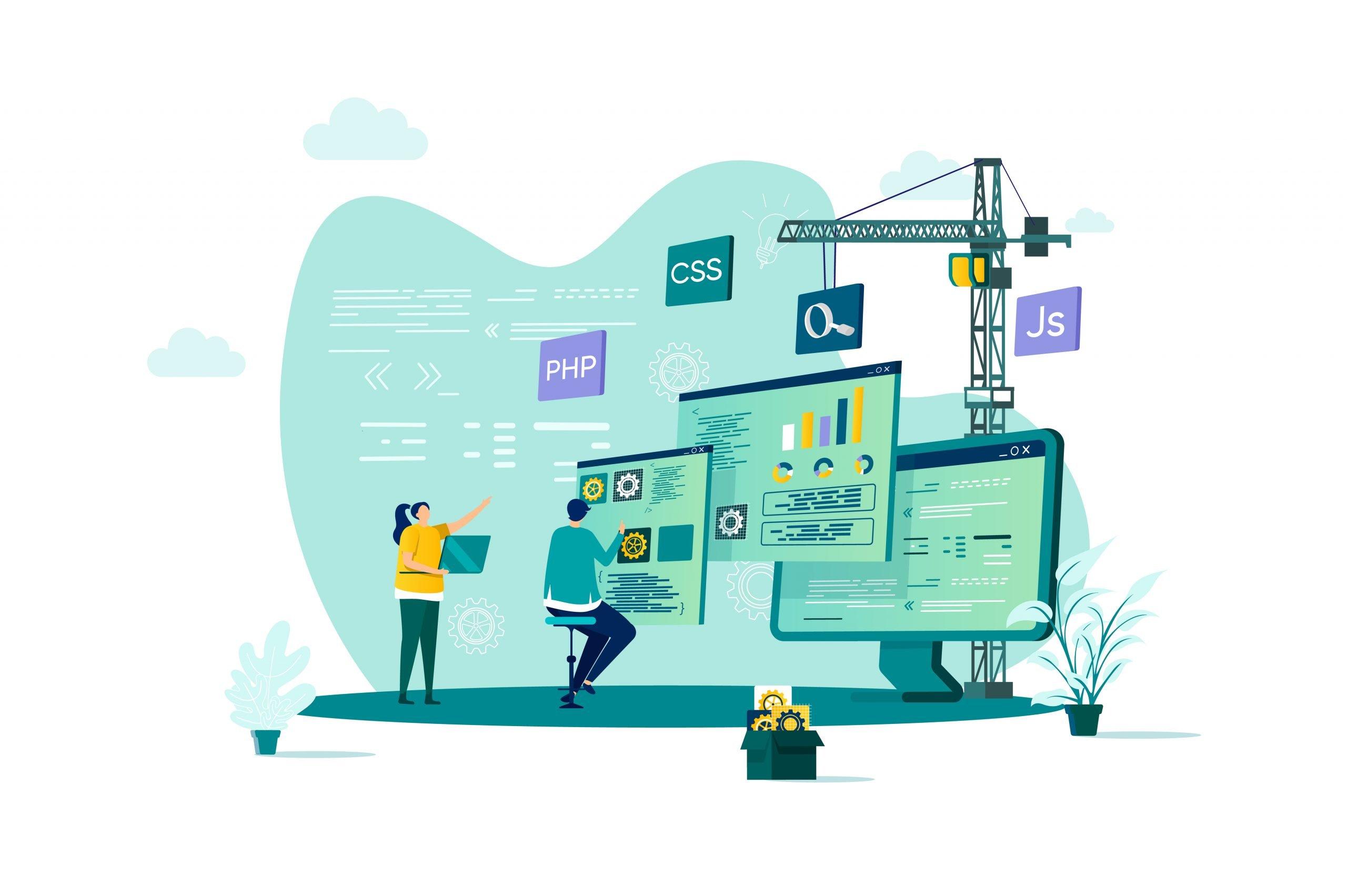
Full Stack Developer Education: Essential Skills, courses & Learning Path for 2024
Are you interested in a rewarding career as a Full Stack Developer in the education technology sector? From universities and colleges to innovative schools, edtech organizations are seeking talented developers who can transform learning experiences with effective and scalable web solutions. In this thorough guide,we’ll explore the essential skills,recommended courses,practical tips,and a clear learning path to help you succeed as a Full Stack Developer in education for 2024.
Why Full Stack Developers Are Vital in Education Technology
The demand for Full Stack Developers within universities, colleges, and schools is constantly growing. Educational institutions are adopting digital platforms for online learning, student management, and interactive content delivery. Full stack expertise allows developers to handle both front-end and back-end development, ensuring seamless user experiences and robust systems. By mastering the latest tools and frameworks, full stack developers can make a significant impact on how institutions teach, interact, and innovate.
Essential Full Stack Development Skills for Education in 2024
To stand out as a Full Stack Developer in educational settings, it’s vital to possess a well-rounded blend of technical and soft skills. Here’s a breakdown of the core competencies that employers look for:
Technical Skills
- HTML,CSS,JavaScript: Foundational languages for building engaging interfaces and responsive layouts.
- Front-End Frameworks: Proficiency in libraries like React or Angular for dynamic user experiences, often required for interactive educational apps.
- Back-End Languages: Solid understanding of node.js,Python (Django/Flask),or Java for server-side logic and APIs.
- Databases: Experience with MongoDB, PostgreSQL, or MySQL for storing, managing, and retrieving educational data efficiently.
- Version control Systems: Using Git for code management and collaboration—a worldwide standard in modern development teams.
- APIs and Integrations: Designing and consuming RESTful and GraphQL APIs for integrating various edtech solutions, such as LMS platforms and student portals.
- Testing & debugging: Applying automated testing and debugging tools for reliable, secure software vital in education.
- Cloud Platforms: Familiarity with AWS, Microsoft Azure, or google Cloud to deploy scalable applications for thousands of students and educators.
Soft Skills & Domain Knowledge
- Dialogue: Ability to explain technical solutions to educators and stakeholders without developer jargon.
- Problem-Solving: Designing creative solutions for unique educational challenges, such as adaptive learning or accessibility.
- Collaboration: Working with teachers, administrators, and other IT staff to ensure applications meet real classroom needs.
- Understanding Edtech Standards: Familiarity with LMS integration (e.g., Moodle, Canvas), accessibility standards (WCAG), and student data privacy regulations.
Top Courses for Full Stack Developer Education in 2024
Strategically choosing courses and certifications can accelerate yoru journey towards a full Stack Developer role in education. Consider the following recommended learning options, available at universities, coding bootcamps, and online platforms:
Core Full Stack Development Courses
- Full Stack Web Development Certification (covers HTML, CSS, JavaScript, back-end frameworks, databases)
- Specialization in JavaScript Frameworks (React, Angular, Vue.js)
- Database Design and Management (SQL and NoSQL databases)
- Cloud Deployment and DevOps Essentials
- API and Microservices Architecture
Education Technology-Specific Training
- LMS Integration and Customization (focus on Moodle,Canvas,Blackboard,etc.)
- Accessibility and Universal Design for Learning (UDL)
- data security and Student Privacy Compliance (FERPA, GDPR)
- Edtech Project Management (Agile, Scrum applied to educational projects)
Certifications to Boost Your Profile
- Certified EdTech Specialist
- AWS Certified Developer
- react Professional Certification
- Google Associate Cloud Engineer
- Professional Scrum Developer (PSD)
Recommended Learning Path: Building Your Full Stack Developer career in Education
The right learning path can equip you with not only technical prowess but also relevant educational industry insights. Here’s a step-by-step guide to help you structure your journey:
- Start with Fundamentals: Master HTML, CSS, and JavaScript. Build simple projects, such as portfolio websites or interactive forms that could support classroom activities.
- Learn a Front-End Framework: Choose React or Angular and develop an interactive educational dashboard or quiz app.
- explore Back-End Development: Learn Node.js, Python (Django/Flask), or Java, and set up a database-backed application for student management.
- Work on database Skills: implement MongoDB or PostgreSQL to handle classroom or institutional data efficiently.
- Integrate APIs and Cloud Services: Add features like student authentication or analytics; practice deploying apps on AWS or Azure.
- Understand Education Technology Standards: Research and apply standards such as LTI (learning Tools Interoperability), accessibility, and data security in your projects.
- Build a Portfolio: Showcase web apps,LMS integrations,and educational tools you’ve created. Highlight accessibility and privacy features.
- Gain Real Experience: Volunteer for edtech projects, participate in hackathons, contribute to open-source educational platforms, or intern with schools and nonprofits.
- Pursue Advanced Certification: When ready, pursue stack-specific or cloud certifications to validate your expertise for recruiters in education technology.
Benefits of Being a Full Stack Developer in Education Technology
Pursuing a Full Stack Developer role within the education sector comes with unique and meaningful benefits:
- Transform Lives: Build applications that improve learning outcomes for students and streamline processes for educators.
- Job Stability and Growth: The education sector is consistently investing in digital change and skilled tech professionals.
- Creative Problem-Solving: Tackle real-world problems around accessibility, engagement, and remote learning.
- Collaboration Opportunities: Work closely with teachers, instructional designers, and administrative staff.
- Work-Life Balance: Many education institutions offer flexible work arrangements and supportive environments.
Practical Tips for Landing a Full Stack Developer Job in Education Technology
Onc you’ve built your skills, it’s time to apply strategically and land your dream role in universities, colleges, or schools. Here are practical steps to boost your employability:
- Customize Your Resume: Emphasize projects or roles related to education technology, accessible design, and relevant certifications.
- Highlight Your Portfolio: Showcase demos, code samples, or live applications built for education use cases.
- Network Within the Sector: Connect with education technology professionals on platforms like LinkedIn, and join edtech communities or forums.
- Stay Current: Keep up-to-date with the latest edtech trends, frameworks, and compliance standards in digital learning.
- Prepare for Interviews: Be ready to discuss how your full stack solutions align with educational goals,accessibility needs,and data privacy requirements.
- Be Open to Learning: The education sector values lifelong learners; demonstrate curiosity and adaptability throughout your job search.
Conclusion: Your Path to a Fulfilling EdTech Career as a Full Stack Developer
Breaking into the education technology sector as a Full Stack Developer offers a unique opportunity to blend technical innovation with social impact. By mastering essential development skills,prioritizing industry-specific learning,and strategically presenting your talent,you can play a pivotal role in shaping the future of learning at universities,colleges,or schools. Follow the recommended learning path, pursue valuable certifications, and actively engage in edtech communities—these efforts will distinguish you in a competitive market and bring meaningful change to educators and students alike in 2024 and beyond.