
Full Stack Developer Education: Essential Skills, Courses & Learning Paths for Success
Are you passionate about shaping the future of education thru technology? Pursuing a career as a Full Stack Developer in universities, colleges, or schools offers an exciting possibility to build innovative learning platforms and solutions that make a genuine impact. The demand for skilled full stack developers in education technology (EdTech) continues to rise, so now is the perfect time to master the essential skills and build a rewarding career. This detailed guide covers everything you need to know about becoming a full stack developer in the world of education: key competencies, recommended courses, practical career tips, and benefits of the role.
What Is a Full stack Developer in Education Technology?
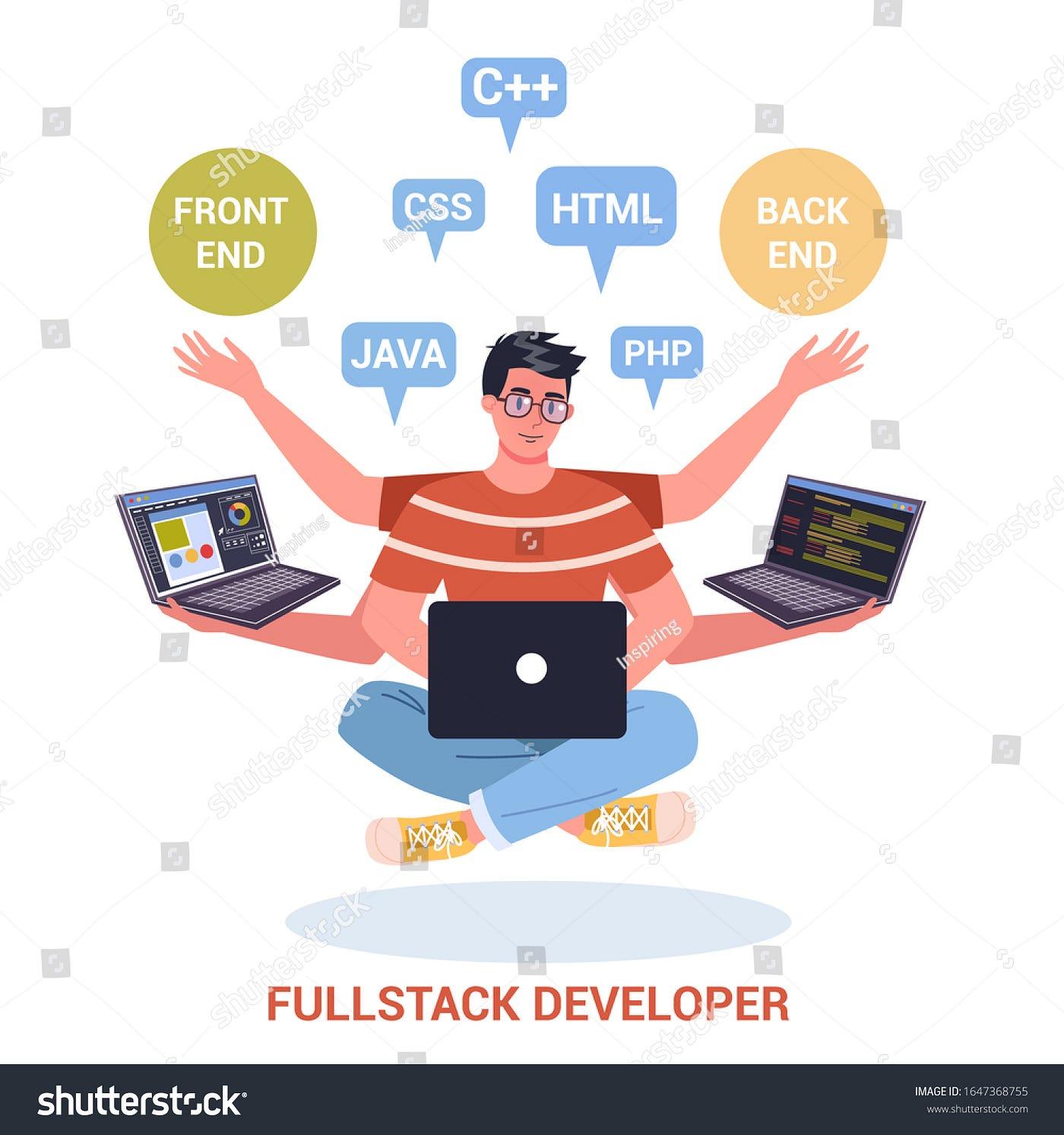
A Full Stack Developer in education technology is responsible for designing, developing, and maintaining both the front-end and back-end of digital learning solutions. These professionals ensure that users—including students,teachers,and administrators—have seamless experiences when interacting with learning management systems (LMS),virtual classrooms,assessment platforms,and other EdTech tools commonly used in universities,colleges,and K-12 schools.
- Front-End: Creating the user interface and experience (UI/UX) for student and faculty portals, classroom dashboards, and online course platforms.
- Back-End: Building servers, APIs, databases, and logic powering EdTech applications, ensuring thay are secure, scalable, and perform well.
- DevOps & Integration: Deploying and managing apps, ensuring integration with third-party tools, single sign-on systems, and compliance with data privacy regulations.
Essential Skills for Full Stack Developers in EdTech
To excel as a full stack developer in the higher education and school surroundings, you’ll need a robust combination of programming, analytical, and soft skills. Below are the critical capabilities prospective employers look for:
Technical Skills
- Frontend Technologies: HTML5, CSS3, JavaScript (including ES6+), frameworks like React, Angular, or Vue.js.
- Backend Languages: Node.js, Python (Django, Flask), Ruby on Rails, Java (Spring Boot), or PHP (Laravel).
- Database Management: Relational (MySQL, PostgreSQL) and NoSQL (MongoDB, Firebase) databases.
- RESTful APIs & GraphQL: Creating and consuming APIs for data exchange between applications and systems (like SIS and LMS).
- Version Control: Proficiency with Git (GitHub, GitLab, Bitbucket).
- Cloud & Hosting: Azure, AWS, or Google Cloud services to deploy scalable EdTech applications.
- Testing & Debugging: Writing unit, integration, and end-to-end tests using frameworks like Jest, Mocha, or Selenium.
Industry-Specific Knowledge
- Learning Management Systems (LMS): Familiarity with Moodle, Canvas, Blackboard, or proprietary platforms.
- Education Data Standards: Understanding of SCORM, LTI, and data privacy laws such as FERPA and GDPR.
- Mobile & Responsive Design: Adapting platforms for smartphones and tablets.
Soft Skills
- Collaboration: Working with educators,instructional designers,and IT teams.
- Problem-Solving: finding creative solutions to unique challenges in the education sector.
- Interaction: Explaining complex technical concepts to non-technical stakeholders.
- Adaptability: Keeping pace with rapid EdTech innovation and evolving needs of educational institutions.
Top courses and Certifications for Aspiring Full Stack Developers in Education
Pursuing the right education and certifications will bolster your resume, deepen your understanding, and help you stand out to employers in universities, colleges, and schools. Consider enrolling in these types of courses:
General Full Stack Progress Programs
- Full Stack Web Development Bootcamps: Complete programs covering front-end and back-end technologies from scratch. Many bootcamps now include real-world EdTech projects.
- Bachelor’s or Master’s in Computer Science: Degrees offering foundational knowledge in algorithms, data structures, software engineering, and more.
- Certificate Programs: Short-term intensive courses focused on modern stacks such as MERN (MongoDB, Express, React, Node.js) or MEAN (MongoDB, Express, Angular, Node.js).
Specialized EdTech and Educational Software Courses
- Courses focusing on LMS integration, e-learning standards, and EdTech system architecture.
- workshops or online classes on data privacy and compliance legislation (FERPA, GDPR) for educational developers.
Professional Certifications
- Microsoft Certified: Azure Developer Associate
- AWS Certified Developer
- Google Associate Cloud Engineer
Many universities and organizations also offer specialized EdTech certifications, which can demonstrate your commitment to education sector technology.
Recommended Learning Paths for Full Stack Developers in Education
Whether you’re a recent graduate or transitioning from another field, follow these step-by-step learning paths to success in EdTech full stack development:
- Start with the Basics: acquire a strong foundation in programming (HTML, CSS, JavaScript, Python or Java) through online resources, MOOCs, or computer science courses.
- Master Core Full Stack Skills: Learn both front-end and back-end frameworks. Build small-scale projects such as a personal blog, forum, or quiz app.
- Engage with EdTech Tools: Experiment with open-source LMS like Moodle or Sakai. Attempt building plugins or simple reporting tools for these platforms.
- Work with Real Data: Gain experience managing secure student and course datasets,and learn the basics of educational data standards.
- Pursue Internships or Contribute to EdTech projects: Look for internships at universities, collage IT departments, or EdTech startups.Contribution to open-source EdTech projects is also highly valued.
- Stay Up-to-Date: Join online forums, attend EdTech webinars, and subscribe to newsletters to follow the latest trends in educational software.
- Continue Learning: Earn relevant certifications,take courses in cloud computing,and expand your knowledge as technologies evolve.
Benefits of Working as a Full Stack Developer in Education Technology
- Purpose-Driven Work: Use your technical expertise to strengthen education, improve access, and help students succeed worldwide.
- Dynamic Learning Environment: Continuously expand your skill set with exposure to diverse technologies and teaching methodologies.
- Career Security: The growing reliance on digital learning in universities, colleges, and schools ensures sustained demand for full stack developers.
- Collaboration & Impact: Collaborate with educators, administrators, and learners to shape impactful products for future generations.
- competitive Salaries & Benefits: Organizations are willing to offer attractive compensation packages to skilled EdTech developers.
Practical Tips for Job Seekers in EdTech
- Build a Specialized Portfolio: Create a portfolio featuring EdTech-related projects, such as online quizzes, educational dashboards, or e-learning plugins. Use GitHub or a personal website to showcase your work.
- Tailor Your resume: Highlight your experience with learning management systems,standards like LTI/SCORM,and cross-functional collaboration.
- cultivate a Network: Connect with EdTech professionals on social media, attend industry conferences, and join coding communities focused on educational technology.
- Demonstrate Problem-Solving: Be ready to discuss how you solved real-world challenges or improved accessibility, usability, or security in your past projects.
- Research Your Target Institutions: Understand the unique needs and digital infrastructure of each university, college, or school you’re applying to.
- Show Enthusiasm for education: Employers value developers who are passionate about enhancing learning outcomes—not just building software.
Conclusion
Embarking on a career as a Full Stack Developer in education technology at a university, college, or school is both exciting and fulfilling. By mastering essential technical skills,engaging in relevant courses,and following a structured learning path,you’ll be equipped to design tomorrow’s innovative educational platforms. Focus on building expertise in EdTech best practices, stay actively involved in the community, and always search for opportunities to grow and make a difference. With the world of education technology constantly evolving, dedicated full stack developers have a radiant and rewarding future ahead.