
Full Stack Developer Education: Essential Skills, Courses & Pathways to Success
The rapidly evolving world of education technology—known as EdTech—is transforming how universities, colleges, and schools operate and engage with students. Among the most sought-after roles in this industry is the Full Stack developer.If your a job seeker aiming for a career as a Full Stack Developer in educational institutions, this complete guide will help you understand essential skills, top courses, and proven pathways to success. We’ll also cover the benefits of working in EdTech and share practical tips for breaking into the field and thriving in your career.
Why full Stack Developers Are Vital in Education Technology
Full Stack Developers are at the heart of digital change in educational settings. Institutions increasingly rely on advanced web platforms, mobile applications, learning management systems (LMS), and data-driven solutions to deliver high-quality education. Full Stack Developers enable these solutions by building robust, scalable, and secure digital products that cater to staff, educators, and students.
- Integration of technology in learning processes
- Custom solutions for faculty, students, and administrators
- Implementation of online assessment and feedback tools
- Enhanced communication and collaboration
- Data security and privacy compliance
Essential Skills for EdTech Full Stack developers
To stand out as a Full Stack developer in education technology roles, you must master both foundational and domain-specific skills. Educational institutions look for candidates who can develop and maintain complex systems,solve technical challenges,and understand the unique needs of educators and learners.
Technical Skills
- Front-End Advancement: Proficiency with HTML, CSS, JavaScript, and frameworks like React, angular, or Vue.js.
- Back-End Development: Experience with server-side languages such as Node.js, Python, Ruby, PHP, or Java.
- Database Management: Skills in working with relational (MySQL, PostgreSQL) and non-relational (MongoDB, Firebase) databases.
- API Integration: Knowledge of RESTful and GraphQL APIs for seamless communication between front-end and back-end.
- Version Control: Expertise in using Git for source code management and collaboration.
- Cloud Deployment: Experience with AWS, Google Cloud, or Azure for scalable hosting and deployment.
- DevOps: Familiarity with CI/CD pipelines, containers (Docker), and orchestration tools (Kubernetes).
Domain-Specific Skills
- LMS Development & Integration: Working with systems like Moodle,Blackboard,Canvas,or custom LMS platforms.
- Security & Data Privacy: understanding of regulations like FERPA, GDPR, and HIPAA for secure handling of student and institutional data.
- Accessibility: Building inclusive applications that comply with WCAG and ADA guidelines for students with disabilities.
- EdTech Trends: Familiarity with learning analytics, adaptive learning, gamification, and AR/VR in educational platforms.
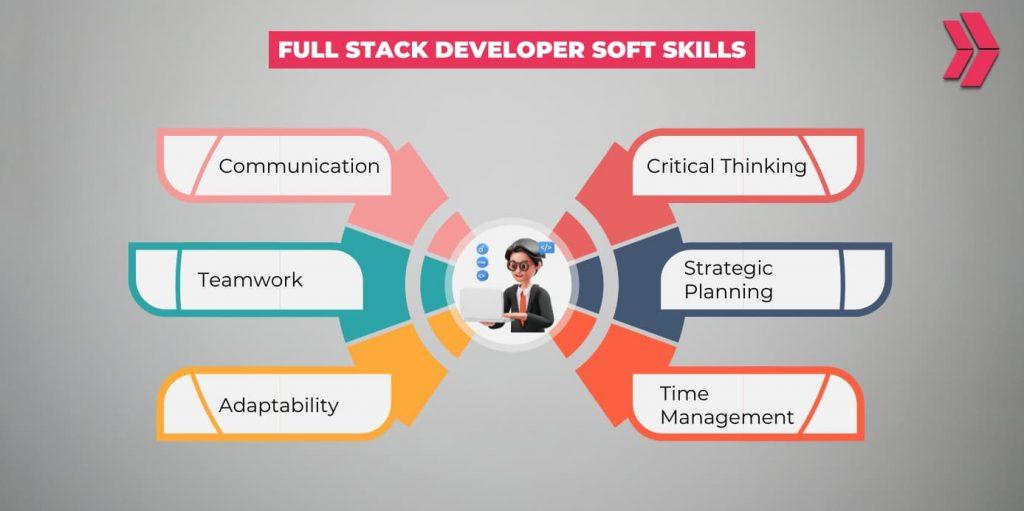
Soft Skills & Professional attributes
- Collaboration: Ability to work in cross-functional teams with teachers, instructional designers, and administrators.
- Communication: Skill in translating technical concepts for non-technical stakeholders.
- Problem-Solving: Innovative approach to addressing educational challenges with technology.
- Project Management: Organizing development workflows, meeting deadlines, and managing multiple priorities.
Top Courses and Certification Pathways
Continuous learning is essential to stay relevant as a full Stack Developer in education technology. Here are some recommended courses and certifications tailored for aspiring EdTech professionals:
Core Full Stack Development Courses
- Full Stack Web Development Bootcamps: Comprehensive programs covering front-end and back-end technologies, databases, and deployment.
- University Degree Programs: Computer Science, software Engineering, Information Systems, or EdTech-focused degrees.
- Online Courses: Platforms offer targeted training in React, Node.js, Python, and other essential tools.
Specialized EdTech Training
- LMS Governance & Customization: learn to configure and extend learning management systems for institutional needs.
- Data Privacy & security Certifications: courses related to educational data protection under FERPA and GDPR guidelines.
- Accessibility Training: Programs focusing on web accessibility standards for inclusive design in education.
Industry-Recognized Certifications
- AWS Certified Developer: For cloud deployment and management of educational applications.
- Google Educator Certifications: Basics of educational technology tools used in schools.
- Certified ScrumMaster: For agile project management in multidisciplinary teams.
Pathways to Success in EdTech Full Stack Development
There are multiple routes to building a successful career as a Full Stack Developer in the education sector. Whether you are starting as a junior developer or transitioning from another industry,strategic steps can amplify your impact and prospects.
1. Gain Real-World Experience
- Internships: Join EdTech startups or institutional IT teams for hands-on experience.
- Open Source Projects: Contribute to education-focused repositories—great for networking and demonstrating skills.
- Freelancing in EdTech: Offer your services for small schools or educational nonprofits needing tech support.
2. Build a Specialized Portfolio
- Showcase projects like LMS plugins,classroom management tools,or educational apps.
- Highlight solutions that address real challenges in school and university environments.
- Document accessibility, scalability, and data compliance features in your work.
3. network Within the Education Technology Community
- Attend EdTech conferences and workshops.
- Participate in online forums, user groups, and hackathons focused on digital education.
- Connect with professionals on social media platforms and EdTech organizations.
4.Stay Up-to-date With Industry Trends
- Follow EdTech news, blogs, and research publications.
- Regularly test new tools, frameworks, and methodologies in educational technology.
Benefits of Being a Full Stack Developer in Education Technology
EdTech roles at schools, colleges, or universities offer many unique advantages for technology professionals. Beyond job security and competitive compensation, you’ll make an impact on future generations by enhancing the learning process through innovation.
- Purpose-Driven Work: Contribute to meaningful solutions that help students learn and grow.
- Job Stability: Educational institutions are increasingly investing in technology, ensuring long-term opportunities.
- Continuous Learning: Work in a sector that values ongoing education and professional development.
- Collaboration across Disciplines: Interact with educators, administrators, and fellow technologists.
- Room for Innovation: Help design smart classrooms, adaptive learning tools, and accessible education platforms.
- Work-Life Balance: Many institutions offer flexible schedules and work arrangements.
Practical Tips for Landing a full Stack Developer Job in EdTech
Breaking into the education technology sector as a Full Stack Developer requires a focused approach.These actionable tips can help you stand out among other applicants for coveted roles in schools, colleges, and universities:
- Customize Your Resume: Highlight EdTech experience, relevant technical skills, and any knowledge of institutional systems like SIS, LMS, or compliance standards.
- Prepare for Technical Interviews: Practice coding challenges that simulate real-world educational problems, such as secure data handling for student records.
- Research the Institution: Learn about the school’s technology stack, student population, and current digital initiatives before applying.
- Demonstrate Soft skills: Share examples of communicating or working with non-technical colleagues and solving educational challenges.
- Show Commitment to Learning: Emphasize certifications, completed courses, or participation in EdTech communities.
- Build an Online Presence: Create a professional website or GitHub repository to showcase your education technology projects.
Conclusion
A career as a Full Stack Developer in education technology offers diverse opportunities to create change, drive innovation, and impact learners at all levels. By mastering the essential skills, pursuing targeted courses, and following strategic career pathways, you can become a valuable asset at universities, colleges, or schools. Remember to showcase both technical prowess and your understanding of educational needs, engage with the EdTech community, and continually sharpen your knowledge. The future of learning is digital,and your skills can help shape it for years to come.