
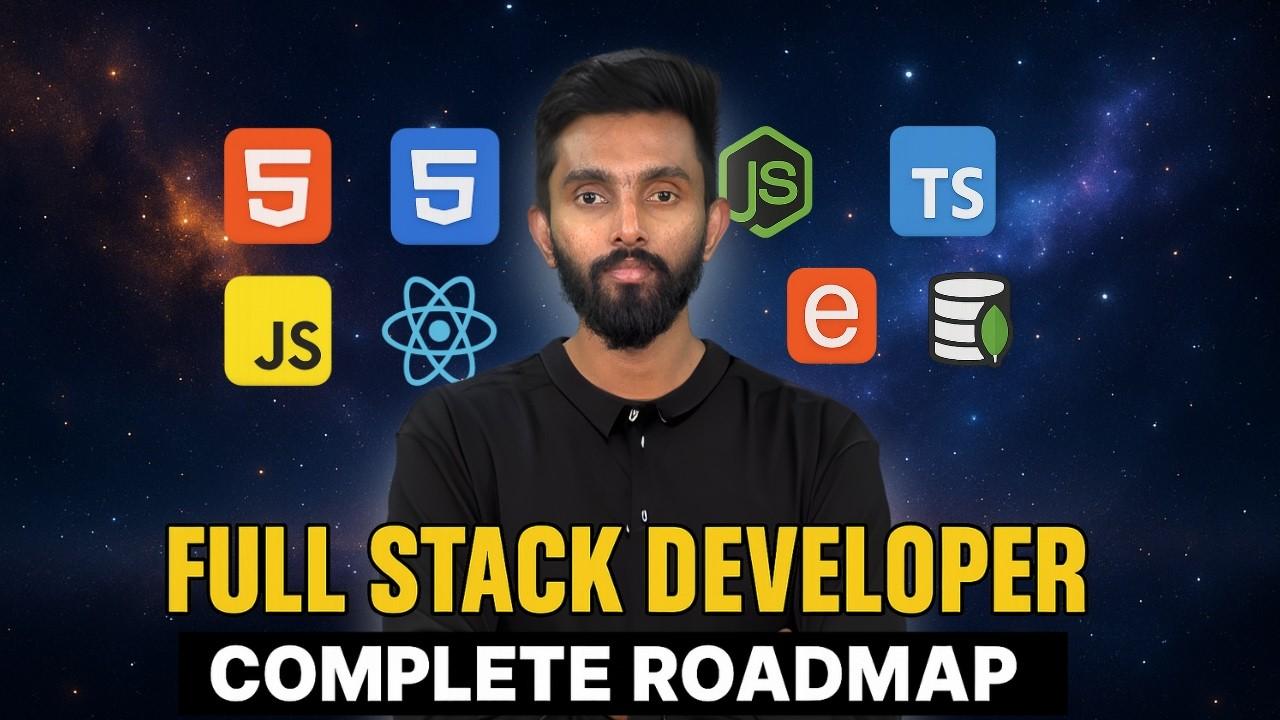
Full Stack Developer Education: Essential Skills, Courses & Training Paths for 2024
As the education technology (EdTech) sector rapidly evolves, universities, colleges, and schools are seeking talented Full Stack Developers to drive their digital transformation. If you’re a job seeker passionate about using technology to enhance learning experiences, understanding the essential skills, latest courses, and best training paths is crucial. This complete guide explores what it takes to become a Full Stack Developer in education, making you stand out to academic institutions in 2024.
Why Choose a Full Stack Developer Role in Education?
Full Stack developers play a vital role in creating, scaling, and maintaining EdTech solutions. Whether it’s virtual learning environments, interactive courseware, or student data platforms, these professionals bridge the gap between backend functionality and engaging user experiences. Working in education allows you to:
- Transform how knowlege is delivered and accessed
- Influence the future of learning for students and educators
- Enjoy job security as EdTech investments continue to grow
- Collaborate with diverse teams of educators and technologists
- Contribute to meaningful, mission-driven projects
Key Responsibilities of a Full stack Developer in Education
In educational institutions, Full Stack Developers wear many hats.Some core responsibilities include:
- Designing and developing both client-side (front-end) and server-side (back-end) components for learning management systems and other EdTech tools
- Ensuring accessibility, scalability, and security of educational platforms
- Integrating APIs and third-party solutions for functions like e-learning content, assessments, or administrative tools
- Collaborating with educators, instructional designers, and IT departments
- Keeping up-to-date with EdTech trends, data privacy laws, and compliance standards
Essential Skills for Full Stack Developers in EdTech (2024 Edition)
To stand out as a Full Stack Developer in the education sector, focus on developing the following up-to-date skills:
1.Programming Languages & Frameworks
- Front-End: HTML5, CSS3, JavaScript (plus frameworks like React, Angular, or Vue.js)
- Back-End: Node.js,Python (Django,Flask),Ruby on Rails,Java (Spring boot),or PHP (Laravel)
- Mobile Development: React Native,Flutter a plus for institutions with mobile-first solutions
2. Database Management
- Proficiency in both SQL (MySQL, PostgreSQL) and NoSQL (MongoDB, firebase) databases
- Optimization of queries for fast access to educational resources and secure handling of student data
3. DevOps and Deployment
- Experience with CI/CD tools like Jenkins or GitHub Actions
- Understanding of containerization (Docker,Kubernetes)
- cloud platforms: AWS,Azure,or Google Cloud,especially for scalable online courses
4. UI/UX Design Sensibility
- creating accessible, user-friendly interfaces for students, educators, and administrators
- Knowledge of WCAG and ADA accessibility standards
- Prototyping with Figma or Adobe XD
5. Security and privacy
- Understanding FERPA and GDPR data protection requirements
- Implementing end-to-end encryption and secure authentication methods
6. Soft Skills
- Strong communication and cross-functional collaboration
- Problem-solving and adaptability to new EdTech trends
- Project management tools: Jira, Trello, or Asana
Top Courses and Training Paths for Full Stack Developers in Education
To land a Full Stack Developer job at a university, college, or school, targeted education and continuous upskilling are crucial. In 2024, consider these:
Academic Degrees
- Bachelor’s or Master’s Degree in Computer Science, Software Engineering, Information Technology, or related fields. A minor or elective focus in Educational Technology is a bonus.
Certificate Programs & Bootcamps
- Full Stack Development Bootcamps: Intensive hands-on programs covering front-end,back-end,version control,and deployment
- EdTech-Focused Certifications: look for courses tailored to learning management systems development,educational platform security,or accessibility compliance
- Online Learning Platforms: Leading platforms now offer EdTech-specific web development series
Skill-Specific Courses
- JavaScript/React/Vue.js Advanced Modules
- Python for Data Science in Education
- Cloud-based Request Deployment
- Cybersecurity Essentials for Education Platforms
- Accessibility by Design in EdTech Applications
Project-Based Learning
- Create sample projects such as virtual classrooms, student portals, or grading systems
- Contribute to open-source EdTech platforms
- Build a portfolio with live demos and code repositories
Benefits of a Full Stack Developer Career in Education Technology
Why are so many developers choosing EdTech in 2024? Let’s look at the unique advantages:
- Meaningful Impact: Help shape the future of education and empower learners worldwide
- Strong Job market: Demand for tech talent in education remains high as institutions invest in hybrid and digital learning
- Interdisciplinary Growth: Collaborate with educators, researchers, and designers, broadening your viewpoint
- Remote & Flexible Work: Many educational organizations offer remote or hybrid work setups
- Continuous Learning: Access to cutting-edge EdTech trends and ongoing professional development
Practical Tips: Landing a Full Stack Developer Job in Education
Here are actionable steps to boost your chances of securing a Full Stack Developer position at a university, college, or K-12 school:
- Customize Your Resume: Highlight EdTech projects, portfolio links, accessibility-compliant apps, and any prior work with learning platforms
- Showcase Soft Skills: Stress your ability to work collaboratively with educators and non-technical staff
- Stay Updated: Attend EdTech webinars, conferences, and participate in online EdTech communities
- Network Strategically: Engage with current EdTech professionals on professional networks and seek informational interviews
- Demonstrate a Growth Mindset: emphasize your willingness to learn new technologies and adapt to the evolving educational landscape
Frequently Asked Questions (FAQ)
What is the salary range for full Stack Developers in education technology?
Salaries vary by institution, region, and experience. In 2024, Full Stack Developers in education can expect salaries ranging from $60,000 to $120,000 annually, with the potential for higher compensation in senior or leadership roles.
Is prior experience in education required?
Not always. While experience working in EdTech or academic settings is a plus, a strong portfolio with relevant projects and a passion for education can help you break into the field.
How critically important are certifications?
Certifications are highly valued, especially those focusing on web development, cloud computing, or accessibility standards. They help your application stand out, particularly in competitive academic job markets.
What are the top trends shaping EdTech for Full Stack developers in 2024?
- AI and machine learning personalization in learning platforms
- Mobile-first and cloud-based education solutions
- Data privacy and cybersecurity advancements
- Inclusion and accessibility in digital content
Conclusion
Becoming a Full Stack Developer in education technology is a rewarding career path, brimming with opportunities for professional and personal growth. By cultivating the essential skills,pursuing targeted courses,and staying attuned to EdTech trends,you’ll be well-equipped to land a fulfilling job at universities,colleges,or schools in 2024. If you’re passionate about tech and education, start building your expertise today and contribute to shaping the classrooms of tomorrow.