
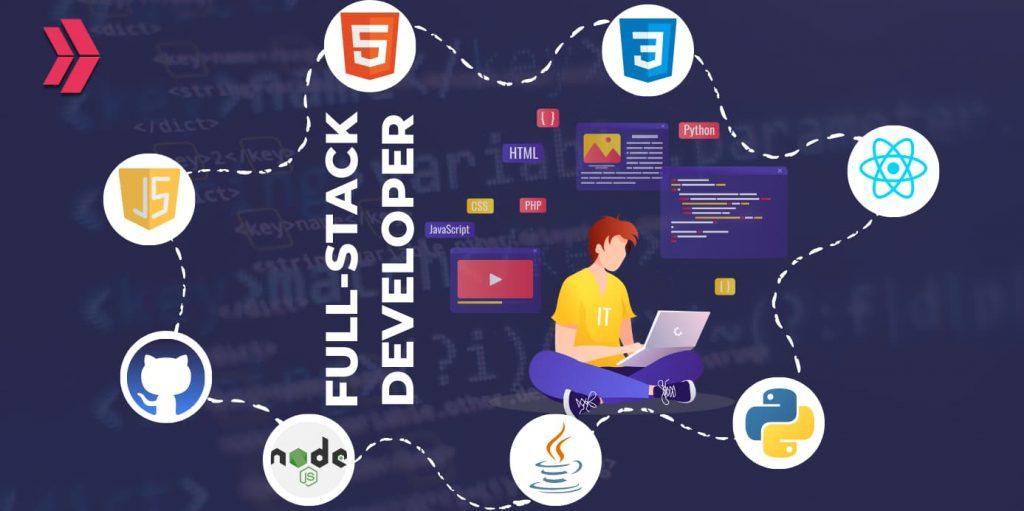
Full Stack Developer education: Essential Skills, Degrees & learning Paths
Are you drawn to technology and passionate about transforming education? Landing a job as a Full Stack Developer in education technology at universities, colleges, or schools could be your perfect career move. This comprehensive guide explores everything you need to no about required skills, educational pathways, and practical tips to excel in edtech advancement roles. Whether you’re just starting out, shifting careers, or deepening your expertise, this article will equip you with the insights and tools needed to succeed as a full stack developer in the education sector.
Why Full Stack Developers Are Vital in Education Technology
Education technology, or EdTech, is rapidly reshaping how institutions deliver learning and manage student services. From virtual classrooms to AI-powered grading systems, Full Stack Developers play a pivotal role in engineering robust and user-friendly solutions for schools, colleges, and universities. Their diverse skills ensure seamless interaction between the front-end interfaces and back-end infrastructure, making digital education efficient, engaging, and accessible.
- Innovative Learning Platforms: Developers build and maintain the digital environments where students and educators connect.
- Streamlined Administration: Full stack skills enable the development of applications for attendance, grading, and resource management.
- Scalable Solutions: They ensure education platforms can accommodate growing numbers of students and resources.
Essential Skills for Full Stack Developer Roles in Education
To thrive as a Full Stack Developer in the education sector, you’ll need a robust mix of technical and soft skills. Below,we detail the most sought-after capabilities for EdTech positions:
Front-end Development Skills
- HTML,CSS,and JavaScript: Foundation for building interactive and responsive user interfaces.
- Modern Frameworks: hands-on experience with React, Angular, or Vue.js for dynamic web applications.
- Accessibility & UI/UX Design: Understanding accessibility standards and user-centric design for diverse learners.
Back-End Development Skills
- Server-Side Languages: Proficiency in node.js, Python, Ruby, Java, or PHP.
- Databases: Knowledge of SQL (MySQL, postgresql) and NoSQL (MongoDB).
- API Design & Integration: Ability to create RESTful and GraphQL APIs for seamless data exchange.
Other key Competencies
- Version Control: Experience with Git and repositories for collaborative development.
- Cloud & deployment: Familiarity with cloud platforms like AWS, Azure, or Google Cloud, including containerization (Docker).
- Security Best Practices: Safeguarding sensitive student and institutional data is critical.
- Testing & Debugging: Skill in automated testing and troubleshooting for robust applications.
- Interaction & Collaboration: Ability to work across teams, translate technical jargon, and adapt to academic environments.
Recommended Degrees and Certifications
While some full stack developer roles prioritize skills and portfolio work, many universities, colleges, and schools do value formal education. Here’s an overview of the most relevant degrees and certifications:
Bachelor’s Degrees
- Computer science: The most direct path, providing a strong foundation in programming, databases, and systems.
- software Engineering: Focused on software development lifecycle and project management.
- Data Technology: Covers systems analysis, networking, and web technologies.
Advanced Degrees
- Master’s in Computer Science or Data science: ideal for advanced positions or roles in EdTech research and innovation.
- Educational Technology Master’s: Blends pedagogical theory with technical skills, perfect for integrating technology into learning.
Professional Certifications
- Full Stack Web Developer Nanodegrees: Offered by various online platforms, focusing on hands-on skills.
- Certified Professional in Python/Javascript/Java: Specific credentials for in-demand programming languages.
- cloud Certifications: AWS certified Developer, Google Cloud Professional, or Azure Developer Associate.
These credentials not only boost your resume but also demonstrate commitment and expertise to potential employers in education technology.
Learning Paths for Aspiring EdTech Full Stack Developers
Whether you’re self-taught, university-educated, or switching from another tech field, here are proven learning paths to become a full stack developer in education:
Formal Education
- Enroll in a bachelor’s or master’s program in computer science, software engineering, or educational technology.
- Participate in university EdTech research projects or internships for hands-on experience.
Bootcamps and Online Courses
- Join intensive coding bootcamps with a full stack curriculum.
- Take specialized EdTech development courses that teach applications relevant to schools and universities.
self-Learning & Portfolio Building
- Work on open-source education technology projects.
- Create your own school management system or learning platform as a portfolio piece.
- Engage in online communities, forums, and EdTech hackathons.
Continuous Skill Enhancement
- Stay up-to-date with new frameworks,tools,and best practices in the education industry.
- Pursue ongoing professional development thru webinars, conferences, and online certifications.
Benefits of Working as a Full Stack Developer in Education Technology
Choosing a career as a Full Stack Developer in EdTech brings numerous advantages, both personal and professional:
- impactful Work: Directly influence how students learn and educators teach.
- Continuous Growth: EdTech evolves rapidly, offering frequent opportunities to learn and innovate.
- Job Security: Educational institutions increasingly rely on digital solutions for teaching and administration.
- Community Contribution: Enhance educational equity and accessibility for diverse learners.
- Collaborative Culture: Work alongside passionate educators, designers, and technologists.
Practical Tips for Job Seekers
Set yourself apart in the competitive world of EdTech development by following these advice:
- Build a Strong Portfolio: Showcase projects relevant to education, such as e-learning platforms or school management systems.
- Highlight Educational Impact: Demonstrate how your work solves real challenges for students and educators.
- Customize applications: Tailor your resume and cover letter to the specific needs of educational institutions.
- Embrace EdTech Trends: Learn about LMS (Learning Management systems), AI in education, and mobile-first design.
- Network Actively: Attend EdTech conferences, join online educator and developer groups, and engage in sector-specific hackathons.
- Prepare for Technical Interviews: Practice coding challenges and be ready to discuss scalability, security, and accessibility in educational applications.
- Showcase Soft Skills: Communication, empathy, and adaptability are highly valued in academic settings.
Conclusion: Launch Your EdTech Full Stack Developer Career
The demand for Full Stack Developers in education technology continues to rise as schools, colleges, and universities seek innovative and scalable digital solutions. By mastering the essential technical skills, pursuing relevant degrees or certifications, and following a strategic learning path, you can unlock impactful and fulfilling opportunities in this thriving sector.
Whether you’re building the next generation of learning platforms,optimizing school management applications,or integrating AI into education,your expertise as a Full Stack Developer can help shape the future of learning. Start your journey today with the guidance provided in this article and make a real difference in education through technology.