
Full Stack Developer Education: Essential Skills & Pathways to Launch Your Tech Career
If you’re passionate about technology and committed to making a positive impact in the education sector, a career as a Full Stack Developer in Education technology could be the perfect fit. As universities,colleges,and schools increasingly rely on digital platforms for learning,assessment,and administration,the demand for skilled full stack developers in the EdTech space is soaring.whether you’re a recent graduate or an experienced coder seeking meaningful work, understanding essential skills and education pathways will help you launch and grow your tech career in this rewarding domain.
Why Choose a Full Stack Developer Role in Education technology?
Combining the versatility of full stack development with the mission-driven focus of education, edtech developers play a critical role in transforming how institutions deliver education.Here are compelling reasons to pursue this path:
- Influence the Future of Learning: Build tools and platforms that improve access to quality education, personalize instruction, and enhance collaborative learning.
- Job Security & Growth: The EdTech market is expanding rapidly, with universities and schools continuously investing in digital infrastructure.
- Varied Project Opportunities: Work on e-learning platforms, learning management systems (LMS), mobile education apps, assessment solutions, and more.
- Collaborative & Impactful Work Surroundings: Partner with educators, researchers, and policy makers to create solutions that make a real difference.
Core Responsibilities: What Does a Full Stack Developer Do in EdTech?
As a Full Stack Developer in Education settings, your work spans both front-end and back-end development to create seamless, user-kind solutions for students, teachers, and administrators. Here are some typical responsibilities:
- Designing and developing interactive web and mobile applications for educational use
- Integrating back-end databases with front-end interfaces for real-time data access
- ensuring security, scalability, and compliance with data privacy regulations (e.g., FERPA, GDPR)
- Collaborating with instructional designers and content creators to build engaging digital learning resources
- Maintaining and updating existing platforms to address evolving educational needs
- Troubleshooting, debugging, and optimizing software for performance and accessibility
essential Skills: What You Need to Succeed as a Full Stack Developer in Education
Employers in universities, colleges, and schools look for a diverse skill set in full stack developers. Here’s what you need to master:
1. Programming Proficiency
- Front-End: HTML5, CSS3, JavaScript (with frameworks like React, Angular, or Vue.js)
- Back-End: Node.js,Python (Django/Flask),Java,PHP,or Ruby on Rails
- APIs: RESTful APIs,GraphQL integration for dynamic data handling
2. Database Management
- Relational databases: MySQL, PostgreSQL, microsoft SQL Server
- NoSQL databases: MongoDB, firebase
- data modeling and security best practices
3. DevOps & Version Control
- Source control: Git and GitHub/GitLab
- Continuous integration/continuous deployment (CI/CD) pipelines
- Cloud platforms: AWS, Microsoft Azure, Google Cloud for scalable deployment
4. UI/UX & Accessibility
- User-centric design thinking and usability testing
- Accessibility standards (WCAG) to support all learners
5. EdTech-Specific Knowledge
- Learning Management Systems (LMS): Moodle, Canvas, Blackboard
- Interoperability standards: SCORM, LTI, xAPI
- Understanding of digital pedagogy and instructional technology
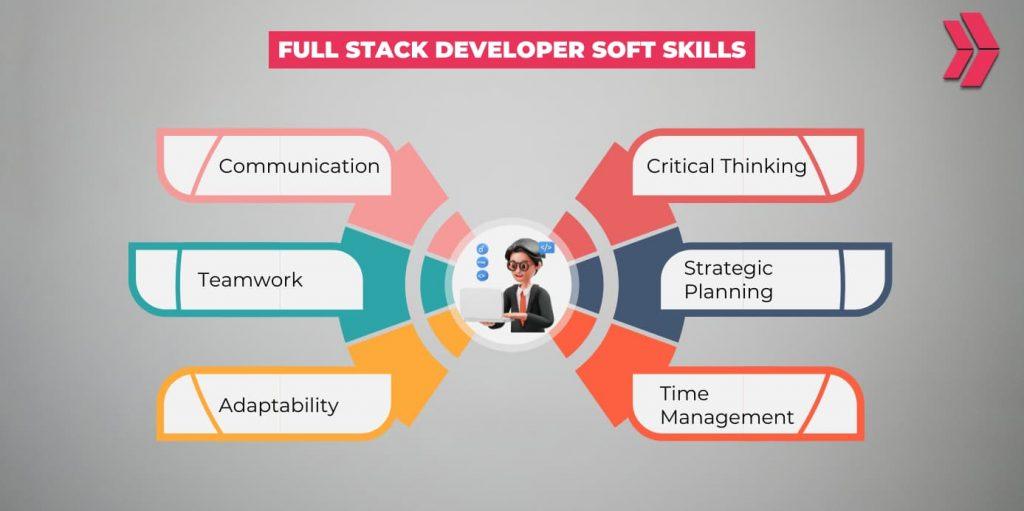
6. Soft Skills
- Communication: Explaining technical concepts to non-technical stakeholders
- Teamwork: Collaborating across multidisciplinary teams
- Problem-Solving: Addressing unique challenges in education technology
- Adaptability: Keeping pace with emerging EdTech trends
Educational Pathways: How to Become a Full Stack Developer in Education Technology
While some full stack developers are self-taught, most employers in higher education and schools prefer relevant formal qualifications combined with practical experience. Here’s how you can chart your pathway:
1.Obtain a Relevant Degree
- bachelor’s Degree: Computer Science, Software Engineering, Facts Technology, or related fields
- Master’s Degree (Optional): Advanced software development or EdTech focus can provide an edge for more competitive or leadership positions
2. Complete EdTech-Focused Online Courses and Certifications
- Full stack web development bootcamps
- Specialized EdTech certifications (e.g., digital learning, educational programming standards)
- Workshops and MOOCs on educational technologies and e-learning tools
3. Gain Practical experience
- build and contribute to open-source EdTech projects
- Volunteer for school or university digital conversion initiatives
- Internships or part-time roles in educational institutions
- Freelance development for e-learning businesses or non-profits
4. Pursue Continuous Professional Development
- Stay updated on EdTech trends and emerging digital education tools
- Engage with professional communities, forums, and networking events
- Attend EdTech conferences and workshops to understand institutional needs
Key Benefits of Working as a full Stack Developer in EdTech
Beyond skill development and technical challenges, a career as a full stack developer in education technology offers:
- Purpose-Driven work: Shape the learning experiences of future generations and support lifelong learners
- Diverse Working Environments: Opportunities with universities, colleges, K-12 schools, EdTech startups, and government agencies
- Work-Life balance: Many educational institutions offer flexible schedules, hybrid work, or remote options
- Professional Growth: Chance to transition into leadership, product management, or specialist EdTech roles
- Competitive Salaries and Benefits: While pay ranges depend on location and employer, EdTech salaries often rival those found in the private sector, especially in innovation-focused institutions
Practical Tips to Boost Your Employability as a Full Stack Developer in Education
- Build a Specialized Portfolio: Showcase EdTech-specific projects, highlighting your problem-solving approach and user impact.
- Contribute to Open Source EdTech Tools: many education-focused platforms value contributions to open-source solutions that benefit the community.
- Familiarize Yourself with Academic Processes: Understanding how universities and schools operate helps you build relevant solutions.
- Network with Education Professionals: Join EdTech organizations and attend industry meetups to connect with potential employers and partners.
- Highlight Data Privacy Experience: Demonstrate your knowledge of student data protection and compliance in education applications.
- Stay Current: Regularly explore new technologies, frameworks, and education software standards to remain competitive.
How to Stand Out in EdTech Job Applications
when applying for full stack developer jobs in education settings, employers look for more than just technical expertise. Here’s how to differentiate yourself:
- Showcase User-Focused Solutions: Demonstrate how your apps or features have improved learning outcomes or instructor efficiency.
- Explain Your Technical Choices: Justify why you selected certain technologies or frameworks for a given education project.
- highlight Interdisciplinary Experience: Employers value developers who can bridge the gap between pedagogy and technology.
- prepare for Scenario-Based Interviews: Be ready to discuss real-world EdTech challenges and your approach to solving them.
Conclusion: Launch Your Future in EdTech as a Full Stack developer
Pursuing a role as a Full stack Developer in Education Technology enables you to blend technical innovation with a purpose-driven mission to enhance learning outcomes. From mastering front-end and back-end development to understanding the unique needs of educational institutions, your impact in this sector can be both profound and fulfilling.By investing in your skills, building a strong EdTech-focused portfolio, and staying engaged with the latest trends, you’ll be well positioned to thrive in universities, colleges, and schools—and help shape the future of education for learners everywhere.