
Full Stack Developer – Education Pathways, Skills, and Certification Guide for EdTech Jobs
Are you passionate about technology and eager to make a real impact on education? The demand for talented Full Stack Developers in education technology (EdTech) at universities, colleges, and schools is rapidly increasing. Weather you’re a recent graduate or a career changer, understanding the educational pathways, vital skills, and preferred certifications can help you land your dream role as a Full Stack Developer in the rewarding world of EdTech.
Why Choose a Career as a Full Stack Developer in Education Technology?
the education technology sector is transforming how we teach, learn, and collaborate in academic institutions. As a Full Stack Developer in EdTech, you’ll design and build applications that enhance student experiences, enable remote and personalized learning, and optimize administrative processes for educators and staff. This dynamic role combines creativity,problem-solving,and cutting-edge technical skills,providing opportunities to work on meaningful projects that shape the future of education.
- High impact: Directly improve learning outcomes and access to education.
- Job stability: Educational institutions steadily invest in digital change.
- Room for growth: EdTech is one of the fastest-growing technology verticals.
- Collaboration: Work with educators, designers, and technologists from diverse backgrounds.
Understanding the Full Stack Developer Role in EdTech
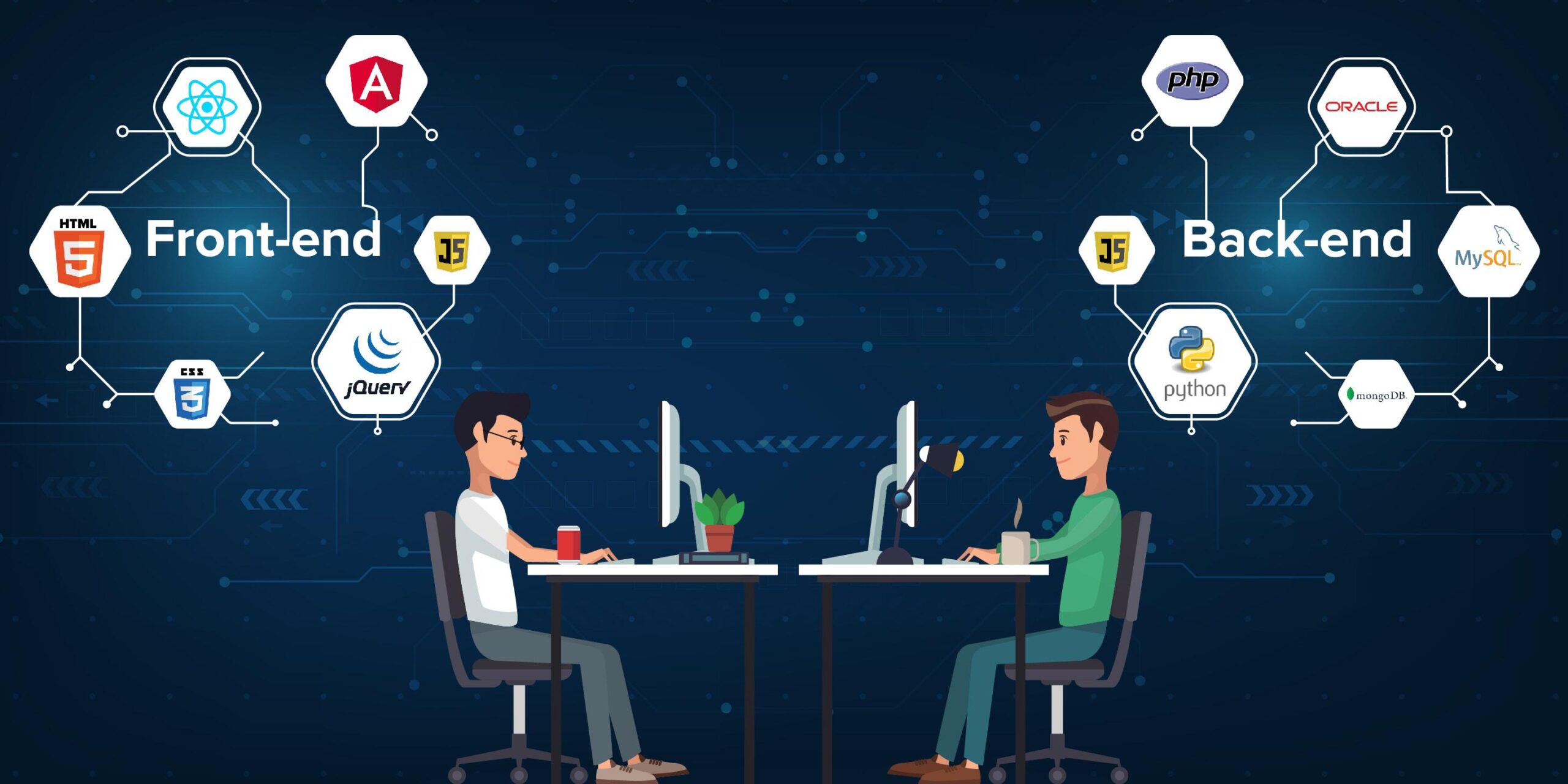
A Full Stack Developer in education technology is responsible for building both front-end (what users see) and back-end (logic, database, and servers) components of educational software and platforms. Examples include Learning Management Systems (LMS), virtual classrooms, online assessment tools, and student facts systems.
Typical Job Responsibilities
- Design and develop user interfaces for students, teachers, and administrators
- build scalable server-side architectures for handling data, authentication, and analytics
- Integrate third-party tools, APIs, and cloud-based services
- Collaborate with instructional designers and other stakeholders to align products with educational needs
- Ensure security, data privacy, and accessibility compliance
Education Pathways for Aspiring Full Stack Developers in EdTech
Your journey toward becoming a Full Stack Developer at a university, college, or school can follow traditional or alternative educational paths. Here’s what you should consider:
Formal Education
- Bachelor’s Degree: most employers require a degree in Computer Science, software Engineering, Information Technology, or a related field.Courses cover programming, databases, web technologies, and often include projects relevant to education.
- Master’s Degree (Optional): Advancing your education with a master’s in computer Science or an EdTech-related discipline may open doors to leadership or specialized roles.
Alternative pathways
- Coding Bootcamps: Intensive coding bootcamps for full stack development can equip you with practical skills in a shorter timeframe, frequently enough featuring real-world projects.
- Self-Study & MOOCs: Online courses and resources on platforms such as edX, Coursera, and others enable you to learn essential web development technologies and education-specific tools at your own pace.
Regardless of which path you choose, focus on building a strong project portfolio that demonstrates your ability to solve educational challenges with technology.
Must-Have skills for edtech Full Stack Developers
to thrive as a Full Stack Developer in the education sector, you’ll need proficiency in both core technical skills and industry-specific competencies. Here’s a detailed breakdown:
Technical Skills
- Front-End Development:
- HTML, CSS, and modern JavaScript (ES6+)
- JavaScript frameworks/libraries (React, Angular, or vue.js)
- Responsive and accessible UI design
- Back-End Development:
- Server-side languages (Node.js, Python, Ruby, Java, or PHP)
- Frameworks like Express.js, Django, Flask, or Spring Boot
- RESTful API development and integration
- database Management:
- Relational (MySQL, PostgreSQL) and NoSQL databases (MongoDB, Firebase)
- Data modeling and optimization
- Version Control: Git and platforms like GitHub or GitLab
- Deployment & Cloud Services: Experiance with AWS, Azure, Google Cloud, or educational cloud platforms
- Testing: Unit, integration, and end-to-end testing (Jest, mocha, Cypress, etc.)
Soft Skills and EdTech-Specific Competencies
- Communication: Ability to translate requirements between educators and technical teams
- Empathy: Understanding challenges faced by diverse learners and teachers
- Project Management: Familiarity with Agile, Scrum, or Kanban methodologies
- Knowledge of Educational Standards: Understanding SCORM, xAPI, LTI, FERPA, and ADA/Section 508 accessibility requirements
Certifications to Boost Your EdTech Job Prospects
Obtaining relevant certifications can definitely help your resume stand out and validate your skills to employers in education technology.
Recommended Technical Certifications
- Certified Full-Stack Developer (various organizations and bootcamps)
- Microsoft Certified: Azure Developer associate
- AWS Certified Developer – Associate
- Google Associate Cloud Engineer
- Certified JavaScript Developer (CIW or similar)
edtech and Software-Specific Certifications
- Moodle Developer Certification (if working with Moodle LMS)
- Canvas Developer Training (Instructure Canvas LMS)
- Certified Accessibility Specialist
- Agile or Scrum Certification (Scrum.org, Scrum Alliance)
While certifications are not always mandatory, they demonstrate your commitment to continuous learning and specialized expertise in educational technology environments.
How to Start Your Career as a Full Stack Developer in EdTech
Landing your first EdTech developer job takes more than technical ability. Here are some practical steps to set yourself apart from the competition:
- Build an EdTech Portfolio: Create sample educational apps (quiz tools, grade books, online classrooms) to showcase your skills to potential employers.
- Contribute to Open Source: Participate in open source EdTech projects, such as Moodle plugins or accessibility tools.
- Network in the EdTech community: Attend conferences, webinars, and local meetups to connect with professionals and learn about job openings.
- tailor Your Resume and Cover Letter: Highlight relevant projects, internships, and any experience collaborating with educators or institutions.
- Prepare for Interviews: Be ready to discuss your approach to education-related challenges, such as security, accessibility, or integrating with learning tools.
Benefits of being a Full Stack Developer in Education Technology
- Purpose-driven work: direct involvement in projects that make education more accessible and effective.
- job security: Steady demand as educational institutions continuously update and expand their digital platforms.
- Continuous learning: Opportunities to work with new technologies and methodologies as EdTech evolves.
- Diverse challenges: Tackle unique projects, from interactive media to big data analytics in education.
- Strong compensation and benefits: Universities and schools offer competitive packages and excellent work-life balance.
Frequently Asked Questions (FAQ)
do I need a formal computer science degree to become a Full Stack Developer in EdTech?
While many employers value a formal degree, hands-on experience, a strong portfolio, and industry certifications can also open doors, especially for motivated self-learners and bootcamp graduates.
Which programming languages should I focus on for EdTech development?
JavaScript (with frameworks like React or Angular), Python (Django or Flask), and PHP are common in EdTech applications. However, specific requirements may vary between institutions and platforms.
Are remote or hybrid opportunities available in EdTech?
Yes, many universities and EdTech companies offer remote or flexible roles, especially for development teams.
How important is accessibility experience in EdTech?
Very important.Ensuring accessibility (ADA, Section 508 compliance) is a legal and ethical necessity in educational software development.
Conclusion: Embark on an Exciting EdTech Career Journey
The world of education technology offers tremendous opportunities for creative and driven Full Stack Developers. By following the right education pathways, developing the most in-demand full stack developer skills, and earning relevant certifications, you can position yourself for a rewarding career in universities, colleges, or schools. Stay curious, keep building your expertise, and take the first step toward shaping the future of learning—one line of code at a time!