
Future Directions for SEL in Schools: Emerging Trends and Innovations in Social-Emotional Learning
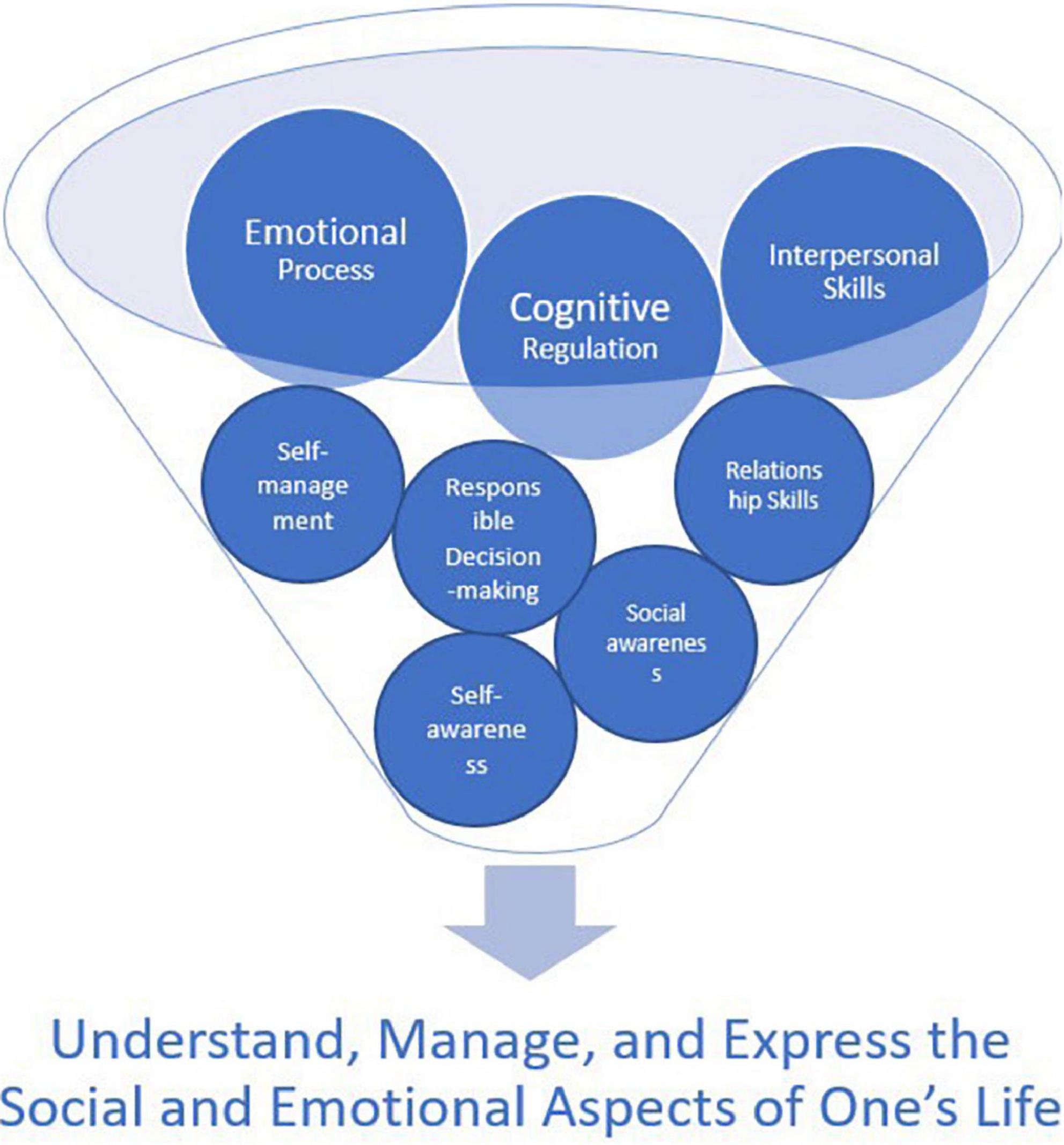
Social-emotional learning (SEL) has become a cornerstone of modern education, helping students develop essential life skills such as empathy, self-awareness, emotional regulation, and relationship building. As we move into a rapidly changing world, the future of SEL in schools is evolving, driven by new research, technology, and growing societal needs. In this complete article, we’ll explore the emerging trends, benefits, and innovations shaping the next chapter of SEL to help educators, parents, and administrators maximize the potential of every student.
Why SEL Matters More Than Ever
Today’s students face a unique blend of academic, social, and emotional challenges, especially after the disruptions caused by the COVID-19 pandemic. With increased recognition of mental health’s role in student achievement and well-being, SEL is not just a supplementary program—it’s foundational to whole-child development. Research shows that robust SEL programs improve:
- Academic performance and classroom engagement
- Self-regulation and coping skills
- Positive relationships among students and staff
- School climate and culture
- Long-term outcomes,including improved graduation rates and career readiness
As such,schools are seeking future-forward SEL strategies that are holistic,inclusive,and aligned with the demands of today’s world.
Emerging Trends in Social-Emotional Learning
The landscape of social-emotional learning is dynamic and constantly adapting. Here are the top emerging trends that are shaping the future of SEL in schools:
1. Integration with Academic Instruction
Modern SEL is moving beyond isolated lessons, rather weaving emotional intelligence and self-management strategies directly into academic curricula. Such as, literacy lessons may include prompts on empathy for literary characters, while STEM projects encourage teamwork and problem-solving. This integration ensures SEL skills are reinforced throughout the school day.
2.Culturally responsive and Equity-Focused SEL
Schools are prioritizing culturally responsive SEL approaches that honor students’ diverse backgrounds and promote equity. Programs now emphasize:
- recognition of bias and cultural diversity
- Inclusion of multilingual and multicultural perspectives
- Fostering a sense of belonging for every student
3.Tech-Enabled SEL tools
Technology continues to transform social-emotional learning with digital SEL curricula, apps, virtual reality experiences, and AI-powered feedback platforms. These tools offer personalized instruction, real-time emotional check-ins, and engaging activities that support various learning styles.
4. Data-Driven SEL Assessment
Emerging innovations are providing educators with new ways to track student progress beyond academics. SEL assessment tools—such as digital student journals, behavioral dashboards, and survey applications—allow for real-time insights into emotional wellbeing, helping teachers tailor support where it’s needed most.
5. Expanding Family and Community Engagement
Future-ready SEL involves parents and community partners in meaningful ways. Family workshops, community mentoring programs, and easily accessible SEL resources extend the learning beyond the classroom, fostering consistency and reinforcement at home.
Innovations Revolutionizing SEL implementation
The evolution of SEL is marked by innovative methods and tools that maximize student engagement and measurable impact. Here are some cutting-edge innovations leading the charge:
- Virtual Reality for Empathy Building: VR experiences allow students to “step into someone else’s shoes,” fostering empathy and understanding across cultures and abilities.
- AI-Driven Conversation Bots: Interactive bots guide students through self-reflection and scenario-based problem solving, offering immediate, judgment-free feedback.
- Gamified SEL Platforms: Game-based learning environments teach conflict resolution and emotional regulation through fun, interactive scenarios with safe consequences.
- Mindfulness and Wellbeing Apps: App-based mindfulness sessions help students develop self-awareness and manage stress through guided meditation and breathing exercises.
- Peer Mentorship Programs: Structured mentorship models empower older or more experienced students to model and teach SEL skills,creating a ripple effect throughout the school culture.
Benefits of Embracing SEL’s Future Directions
Leveraging the latest SEL trends and innovations offers significant, research-backed benefits to schools, including:
- Improved student engagement and motivation
- Reduced behavioral issues and disciplinary referrals
- Increased emotional resilience and mental health awareness
- Greater sense of safety and belonging at school
- Enhanced collaboration between home, school, and community
- Preparation for lifelong success—academically, socially, and in the workforce
Practical Tips for Preparing Your School for the Future of SEL
Transitioning to next-generation SEL isn’t always easy, but with purposeful planning, any school can begin to reap the rewards. Consider these actionable tips:
- conduct a needs assessment: Survey staff, students, and families to identify SEL priorities and existing strengths.
- Prioritize staff development: Provide professional learning opportunities that strengthen educators’ own SEL competencies and cultural awareness.
- Choose evidence-based programs: Select SEL resources and curricula grounded in research and tailored to your school’s unique needs.
- Leverage technology: Use digital platforms to facilitate activities, measure engagement, and connect families with SEL support.
- Foster student agency: Involve students in designing and leading SEL initiatives—this boosts buy-in and creates authentic learning experiences.
- Build community partnerships: Work with local organizations, mental health providers, and businesses to expand SEL opportunities beyond school walls.
- monitor and celebrate progress: Use data to track growth, make adjustments, and celebrate milestones to keep momentum high.
Case studies: SEL in Action
Case Study 1: Digital SEL and Data Assessment in Urban schools
One urban district implemented a digital SEL platform that allowed students to log daily mood check-ins via tablets. Teachers received instant feedback about class emotional climate and could respond proactively. Over two years, the district recorded:
- 20% decrease in behavioral incidents
- Higher levels of engagement during advisory periods
- Improved self-advocacy among students experiencing distress
Case Study 2: Culturally Responsive SEL in Rural Settings
A rural elementary school revised its SEL curriculum to include culturally relevant stories and multilingual resources, boosting both inclusion and trust among students from diverse backgrounds. Family engagement events, co-hosted with local community leaders, led to:
- Greater family participation in school events
- Increased student pride and cultural sharing
- Reduction in absenteeism and disciplinary action
Conclusion: The Bright Future of SEL in Schools
As society’s understanding of mental health, equity, and technology grows, so too must our approaches to social-emotional learning. The future of SEL in schools will be characterized by integration, innovation, and inclusivity.By embracing emerging trends such as tech-enabled tools, culturally responsive curriculum, and stronger community partnerships, schools can create environments where every student thrives—not just academically, but emotionally and socially as well.
Ready to take your school’s SEL journey to the next level? Start today by exploring these future-oriented strategies and watch your students flourish in every aspect of their learning and lives.