
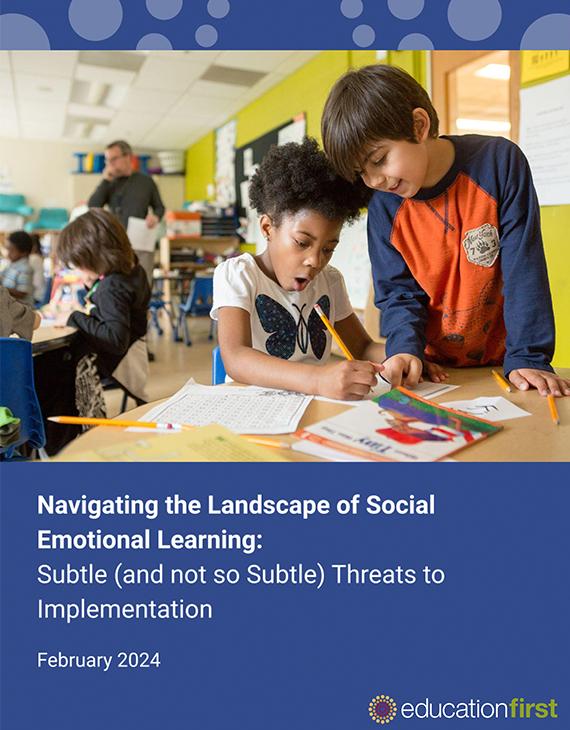
Future Directions for SEL in Schools: Emerging Trends and Innovative Strategies for Educators
Social and Emotional Learning (SEL) is rapidly becoming one of the most vital components of 21st-century education. As the educational landscape evolves, SEL continues to reshape how schools foster student well-being, academic engagement, and lifelong success. In this extensive guide, we’ll explore the future directions for SEL in schools, highlighting emerging trends, innovative strategies, research-based practices, and practical tips for educators. Whether you’re a classroom teacher, school leader, or educational policy maker, learning how to enhance your SEL programs will be invaluable for your students’ holistic progress.
What is Social and Emotional Learning (SEL)?
Social and Emotional Learning (SEL) refers to the process through which children and adults acquire and effectively apply the knowledge, skills, and attitudes necessary to develop healthy identities, manage emotions, achieve personal and collective goals, feel and show empathy, establish positive relationships, and make responsible decisions.
- Self-awareness: Recognizing emotions,values,strengths,and limitations.
- Self-management: Regulating emotions, thoughts, and behaviors.
- Social awareness: Understanding the perspectives of others and exhibiting empathy.
- Relationship skills: Establishing healthy, rewarding connections with others.
- Responsible decision-making: Making ethical and constructive choices.
Benefits of SEL in Schools
- Improved academic outcomes – SEL has been shown to boost academic performance and cognitive development.
- Enhanced emotional intelligence and resilience among students.
- reduced classroom disruptions and behavioral challenges.
- Stronger student-teacher relationships and peer interactions.
- Long-term benefits, including reduced dropout rates and better mental health.
“For educators, the challenge is not whether to implement SEL, but how to ensure their approaches evolve with the changing needs of students, technology, and society.” – CASEL, 2023
Emerging Trends in SEL: What’s Next For Schools?
1.Emphasis on Equity and Culturally Responsive SEL
One of the strongest trends shaping the future of SEL is a deeper focus on equity, diversity, and cultural responsiveness. SEL programs are now designed to honor students’ individual backgrounds and identities. This trend ensures:
- Inclusive curricula that respect racial, cultural, and linguistic diversity.
- Professional development that helps educators recognize and combat implicit bias.
- A focus on Equity-Centered SEL, ensuring every student’s voice is heard and valued.
2.Integrating SEL with Academics
SEL is most effective when embedded directly into academic content rather of functioning as a standalone program.Schools are increasingly:
- Weaving SEL competencies into subjects like literature, science, and mathematics.
- Using project-based learning that promotes collaboration,self-management,and real-world problem-solving.
- Assessing student progress in both academic and social-emotional domains.
3. Leveraging Technology for SEL
The digital change in education means SEL is going beyond the traditional classroom. EdTech tools for SEL are on the rise, such as:
- SEL-focused apps offering interactive lessons, mindfulness exercises, and emotion tracking.
- Virtual reality experiences for practicing empathy and conflict resolution.
- Online portals for family and community SEL engagement.
4.Trauma-Informed and Mental Health-Integrated SEL
As awareness of mental health in schools grows, SEL is merging with trauma-informed teaching approaches. Key directions include:
- Professional learning for educators to recognize signs of trauma and support students.
- Partnerships with school counselors and psychologists for whole-child care.
- Safe learning environments that prioritize psychological well-being.
Innovative SEL Strategies for Educators
1. Embedding SEL into Daily Routines
- Begin each day with a mindfulness practice or emotional check-in.
- Use morning meetings to foster community and dialog.
- Integrate reflective journaling, gratitude boards, and peer recognition activities.
2. Co-creating SEL Goals with Students
Involving students in setting SEL goals increases ownership and accountability. Strategies include:
- Student-driven SEL projects or service learning initiatives.
- Collaborative rubrics to assess progress in empathy, cooperation, or self-management.
3. Family and Community Engagement
- providing SEL workshops for parents and caregivers.
- Encouraging community providers and mentors to reinforce SEL in out-of-school settings.
- Sharing SEL resources and strategies through digital newsletters or social media platforms.
4. Professional Development and Continuous Learning
- Regularly scheduled SEL training sessions for all staff members.
- Utilizing Professional Learning Communities (PLCs) to discuss challenges and best practices.
- Accessing online SEL courses and micro-credentials.
Start small: introduce daily SEL check-ins, explore culturally responsive materials, and consider piloting an EdTech SEL platform that suits your students’ needs.
Case studies: Real-World Examples of Innovative SEL
Urban Elementary School – Integrating SEL and STEM
An urban elementary school in Chicago embedded SEL practices into their STEM curriculum through collaborative robotics projects. Students learned to resolve team conflicts, express creativity, and reflect on their learning, resulting in both higher STEM scores and improved classroom relationships.
rural High School – Culturally Responsive SEL
A rural high school in the Midwest adopted a culturally responsive SEL curriculum featuring stories and experiences from diverse communities. Over the year, suspensions decreased by 20%, and student engagement and respect for cultural differences improved noticeably.
District-Wide EdTech SEL Initiative
A suburban district in California piloted an SEL app across grades 4-8, allowing students to track moods, set goals, and engage in mindfulness. Surveys revealed 78% of students felt more confident managing stress, and absenteeism dropped by 15%.
Practical Tips for teachers: Bringing Future-Focused SEL to Your Classroom
- Assess your current SEL program for inclusivity and effectiveness. Use surveys and student feedback to identify gaps.
- Pilot innovative lesson plans that combine academic content and SEL skills.
- Leverage digital platforms for at-home SEL activities and parent engagement.
- Seek student input on SEL topics that matter most to their lives.
- Collaborate with counselors and mental health professionals for holistic support.
Firsthand Educator experience
“My shift to daily mindfulness and student-led SEL discussions not only improved classroom culture, but empowered students to support each other beyond academics. By co-designing our SEL goals, I noticed increased empathy and a stronger sense of community in my middle school classroom.” - Jamie F., 7th Grade Teacher
Conclusion: Shaping the Next Chapter of SEL in Schools
As we look toward the future, SEL in schools will be characterized by greater integration, innovation, and responsiveness to the unique needs of every student. By embracing trends like culturally responsive approaches, leveraging technology, and deepening community partnerships, educators can foster school environments where every student thrives, both academically and emotionally. Investing in SEL today means preparing students not just for school,but for life.