
future Directions for SEL in Schools: Emerging Trends & Innovative Strategies for Success
Social Emotional Learning (SEL) is rapidly becoming an integral pillar in educational systems across the globe. The growing recognition of SEL in schools not only supports academic achievement but also cultivates essential life skills, empowering students to become empathetic, resilient, and socially aware citizens.As we look to the future,innovative strategies and emerging trends are poised to redefine SEL,making it more dynamic,inclusive,and impactful than ever before.
Understanding the Importance of SEL in Schools
Before delving into future directions, it’s crucial to understand why Social Emotional Learning is fundamental to student success. SEL focuses on developing core competencies such as:
- Self-awareness
- Self-management
- Social awareness
- Relationship skills
- Responsible decision-making
Wide-ranging research shows that well-implemented SEL programs in schools result in:
- Improved academic performance
- Better behavior and emotional regulation
- reduced disciplinary issues
- Enhanced school climate and safety
- Long-term well-being and workforce readiness
“Integrating SEL prepares students not just for tests, but for life itself.” – CASEL (Collaborative for Academic, Social, and Emotional Learning)
Emerging Trends Shaping the Future of SEL
The landscape of SEL in education is evolving to meet the shifting needs of students, schools, and communities. Here are the leading trends charting the course for the future:
1. Whole-School and Whole-Community Approaches
- Whole-School Integration: Breaking the silos, SEL is now being woven into every aspect of the school habitat—from classrooms to cafeterias.
- Family and Community Engagement: Schools are actively partnering with families, community organizations, and mental health professionals to reinforce SEL practices beyond the school walls.
2. Cultural Responsiveness & Equity in SEL
- SEL initiatives are increasingly tailored to address equity, cultural identity, and community needs, ensuring inclusivity for all learners.
- There is a focus on anti-bias education, trauma-informed practices, and empowering student voice in SEL curricula.
3. Technology-Enhanced SEL Programs
- Digital platforms and apps are making SEL accessible beyond conventional classrooms, offering interactive lessons, games, and self-regulation tools.
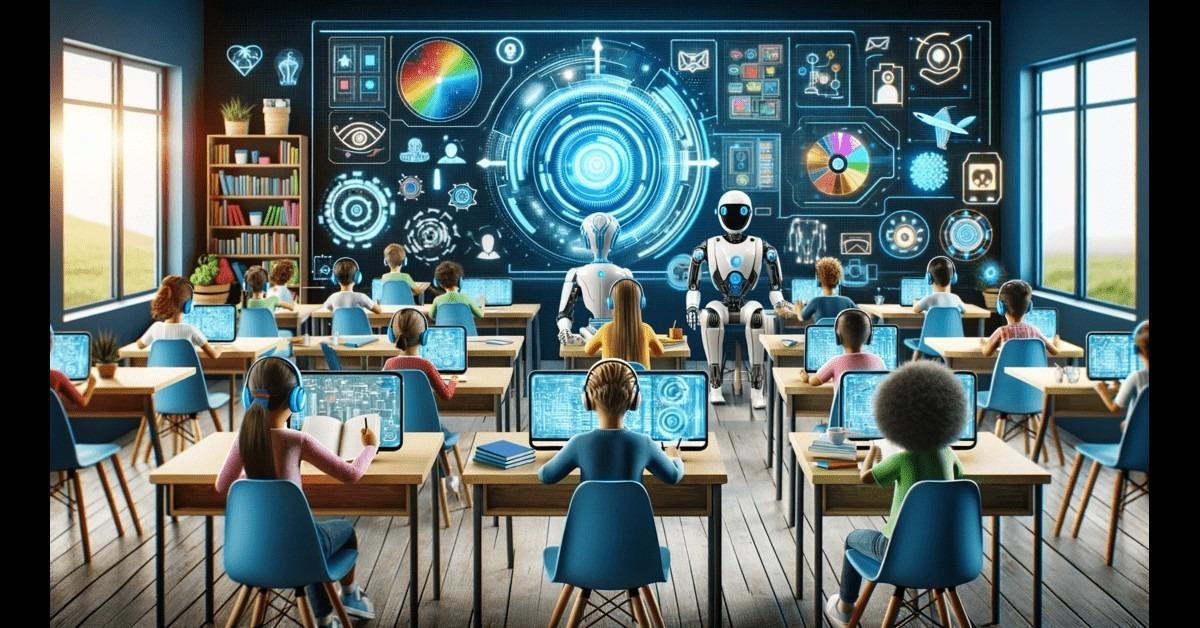
- Virtual reality (VR) and artificial intelligence (AI) are being utilized to simulate social situations and measure progress through data-driven insights.
4. Focus on Teacher Well-being and SEL Capacity Building
- Teacher training and self-care resources are becoming a cornerstone of triumphant SEL implementation, as educators’ own SEL competencies directly impact student outcomes.
- Regular professional development,mentorship,and staff wellness programs are emerging as best practices.
5. Student-Led and Peer-to-Peer SEL Initiatives
- Students are taking the lead as SEL ambassadors, designing and facilitating activities that resonate with their peers.
- Peer mentoring and student voice in program development are proving to boost engagement and sustainability of SEL practices.
Innovative Strategies for Effective SEL Implementation
To future-proof SEL in schools, educational leaders are adopting innovative and evidence-based strategies, such as:
Embed SEL Into Academic Instruction
Rather than isolating SEL in standalone lessons, teachers are integrating SEL skills into core subjects. For example:
- Using literature to discuss empathy and perspective
- Collaborative projects in science or math that promote teamwork
- Reflective writing assignments to build self-awareness
Personalized and Adaptive SEL Learning
Leveraging technology, SEL programs can now be tailored to meet each student’s unique emotional and social needs, with interactive assessments and real-time feedback.
Project-based and Experiential Learning
Hands-on activities—such as community service, group projects, and mindfulness exercises—offer students practical opportunities to practice SEL competencies.
Continuous Assessment and Data-Driven Decision Making
Innovative SEL programs utilize qualitative and quantitative data (surveys, reflection journals, behavior tracking) to measure progress, adapt instruction, and highlight areas for growth.
Benefits of Embracing the Future of SEL
Innovative SEL strategies and emerging trends have the potential to yield critically important benefits for students,educators,and entire school communities,including:
- Equitable student achievement—bridging opportunity gaps
- Stronger school climate—increasing belonging,respect,and safety
- Lower teacher burnout—via SEL professional development and support
- College and career readiness—nurturing critical ‘soft skills’ for the future workforce
- Life-long well-being—fostering emotional intelligence,leadership,and resilience
Practical Tips for Schools: Getting Started with Future-Focused SEL
schools looking to lead or expand their SEL initiatives can consider the following actionable strategies:
- Conduct an SEL needs assessment to identify priorities and gaps
- Engage all stakeholders—students,families,educators,and community partners—for inclusive planning
- Provide continuous professional learning for staff to build SEL expertise
- Start small—pilot innovative programs in select classes or grades,then scale up
- Leverage digital tools and community resources for broader impact
- Celebrate successes,and iterate based on ongoing feedback and data
SEL in Action: Case Studies and Success Stories
Case Study 1: Digital SEL Supports in Urban Schools
An urban elementary school implemented a technology-enhanced SEL curriculum,using interactive games and digital journals. Over one school year, the school saw a 27% reduction in disciplinary incidents and a measurable increase in students’ empathy scores.
Case Study 2: Culturally responsive SEL in Rural Communities
A rural district invested in culturally tailored SEL programs that integrated local traditions and languages.Family engagement events were held to co-create activities. The result was not only stronger student relationships but also increased family participation and support for the school.
Conclusion: Building the Schools of Tomorrow Through Innovative SEL
The future of Social Emotional Learning in schools is bright, driven by a vision of inclusivity, innovation, and transformative impact. As SEL practices evolve to better address the diverse and dynamic needs of students, educators, and communities, schools are emerging as engines of both academic achievement and holistic well-being. By embracing the latest trends and innovative strategies—technology integration, equity focus, community partnerships, and ongoing professional growth—schools can create nurturing environments where every student thrives.
The time to invest in future-ready SEL initiatives is now. With the right tools, insights, and commitment, educators can unlock the full potential of Social Emotional Learning, shaping a generation prepared for success in school, work, and life.
Looking for more resources and up-to-date best practices? stay connected with leading SEL organizations, participate in professional networks, and continue exploring new avenues for growth. The future of SEL in schools is only just beginning.