
Future Directions for SEL in Schools: Emerging Trends Shaping Social-Emotional Learning
Social-Emotional Learning (SEL) has become an essential component of modern education. As schools adapt to the evolving needs of students and society, understanding the future directions for SEL is crucial for educators, administrators, and parents. This article uncovers the latest trends shaping SEL, offers practical tips for successful implementation, and showcases real-world examples of transformative social-emotional learning practices.
What is Social-Emotional Learning and Why Does It Matter?
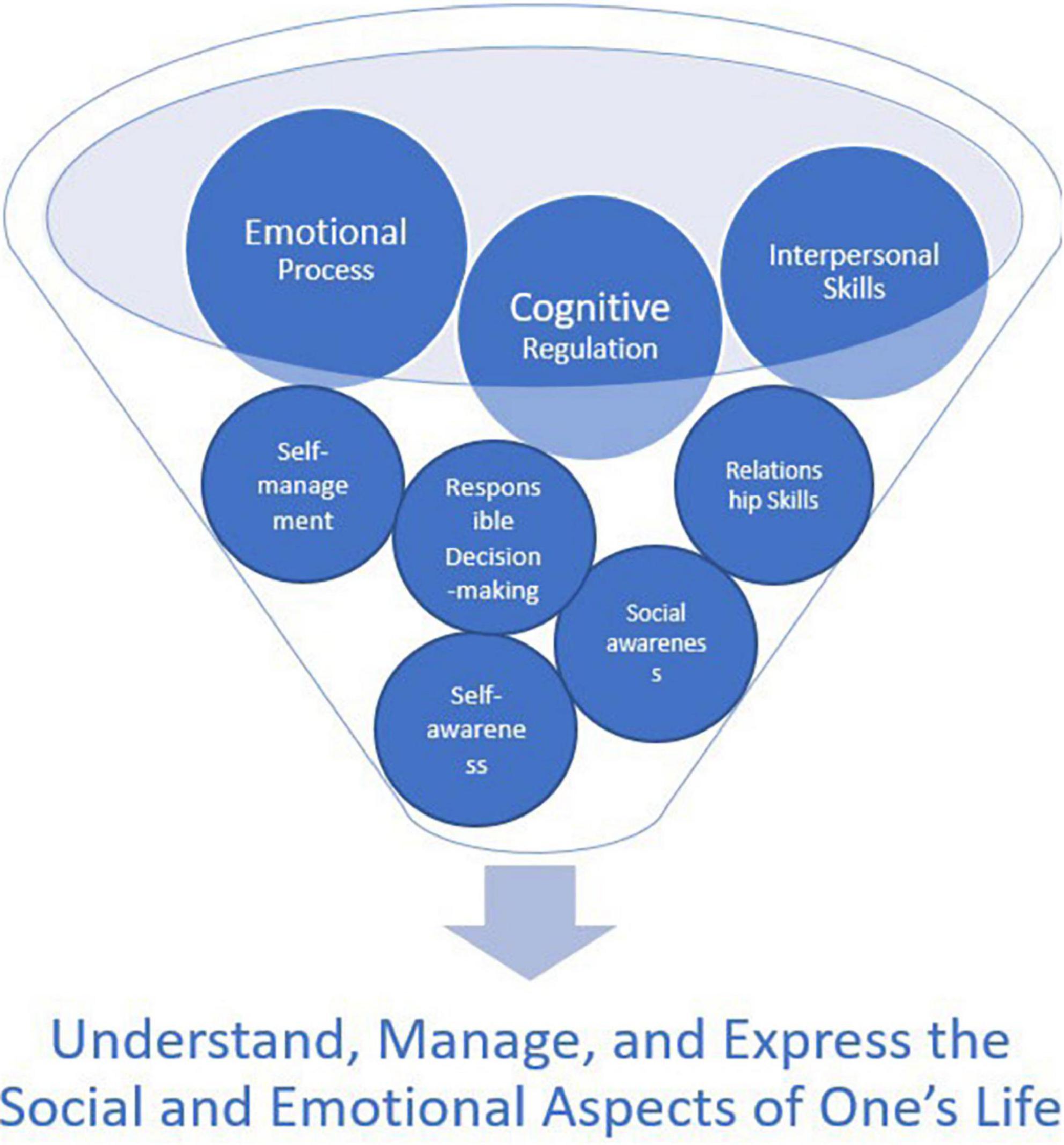
Social-Emotional Learning (SEL) refers to the process through which individuals develop skills to recognize and manage emotions, establish positive relationships, set and achieve goals, and make responsible decisions. Research consistently shows that effective SEL programs positively influence academic performance, behavior, mental health, and long-term life outcomes.
- Academic benefits: Higher test scores, increased graduation rates
- Mental health support: Enhanced self-awareness and resilience
- Social skills: Improved interaction and empathy
- Long-term success: Better job prospects and personal relationships
Emerging Trends Shaping Social-Emotional Learning in Schools
The landscape of SEL is rapidly changing.Schools are embracing innovative strategies that go beyond customary models,focusing on holistic progress and inclusivity. Here are the most meaningful future directions for SEL in schools:
1. Integrating SEL Across the Curriculum
Instead of teaching SEL solely as a standalone subject, educators are weaving it into core academics, arts, physical education, and extracurricular activities.this approach helps students naturally apply SEL skills in multiple contexts.
- Project-based learning: Collaboration and problem-solving reinforce SEL
- Cross-curricular connections: Literature discussions that explore empathy and outlook-taking
- teacher modeling: Educators demonstrating SEL competencies in daily interactions
2. Personalization and Culturally Responsive SEL
A one-size-fits-all approach does not meet the diverse needs of today’s learners. Culturally responsive SEL acknowledges students’ backgrounds, identities, and experiences, making learning more relevant and engaging.
- Using stories, activities, and case studies that reflect students’ cultures
- Providing differentiated support based on individual social-emotional needs
- Empowering student voice and choice in SEL activities
3. Digital Tools and SEL Technology
The digital change in education has given rise to innovative technology that enhances SEL delivery:
- SEL apps: Guided mindfulness, emotional check-ins, and resilience training
- Data-driven platforms: Measuring student well-being and progress in real time
- Virtual learning environments: Building communities for remote collaboration and support
These tools allow schools to extend SEL beyond the classroom and provide ongoing support to students anytime, anywhere.
4. Adult SEL and Staff Well-being
Student well-being is linked to adult well-being. Progressive schools now invest in adult SEL to create a positive climate for both students and educators.
- Professional development on stress management and emotional regulation
- Peer mentoring and support networks for teachers
- Promoting a growth mindset culture among staff and administration
5. Family and Community Partnerships
SEL is most effective when reinforced at home and in the community. Schools are building partnerships to create consistent and supportive learning environments.
- Family workshops on SEL strategies at home
- Collaboration with community organizations and mental health professionals
- Service-learning projects that connect students to real-world issues
6. Measuring SEL impact with Data and Evidence-Based Practices
as SEL matures, data-driven approaches are helping educators measure what matters:
- Assessment tools to track SEL growth and outcomes
- Continuous enhancement based on feedback from students, teachers, and families
- Evidence-based curricula and intervention programs
Benefits of Advancing SEL in Schools
Embracing future directions for SEL in schools yields numerous benefits, including:
- Improved academic engagement: Students who feel emotionally supported are more motivated to learn
- Reduced behavioral issues: Proactive SEL reduces classroom disruptions and bullying
- Higher teacher satisfaction: Positive school climates lead to lower burnout rates
- Stronger school communities: SEL fosters empathy, inclusivity, and respect
- Planning for the workforce: Communication, collaboration, and adaptability are top 21st-century skills
Case Study: SEL Transformation in Action
Springfield Middle School in Ohio launched a comprehensive SEL program in 2022, integrating digital tools, family engagement, and mindfulness practices. Key highlights include:
- Weekly SEL lessons embedded into English Language Arts
- Morning mindfulness sessions streamed to every classroom
- Partnerships with local nonprofits for after-school mentorship programs
- Quarterly parent workshops focusing on conflict resolution and positive communication
after one year, Springfield reported a 30% decrease in discipline referrals, a 22% increase in attendance, and positive feedback from parents and staff. This example demonstrates the tangible impact of embracing emerging SEL trends.
Practical Tips for Implementing Future-focused SEL
Ready to adopt the latest SEL trends in your school? Here are practical strategies:
- Audit your current SEL practices. Identify gaps and strengths using evidence-based tools.
- Choose high-quality, culturally responsive SEL curricula. Tailor lessons to your student community.
- Invest in professional development for staff. Support educators’ own social-emotional growth.
- Leverage digital tools. Start with simple apps or digital mood check-ins.
- Engage families and community partners. Communication is key for effective SEL integration.
- Measure and celebrate SEL progress. Share success stories and use data to refine your approach.
First-Hand Experience: A Teacher’s Perspective
“We started integrating SEL into our science curriculum two years ago. Not only did students begin collaborating more respectfully, but their critical thinking skills improved. I noticed quieter students finding their voices. SEL truly transformed our classroom culture.”
– Mrs. Janet Li, 8th Grade Teacher
Conclusion: The Future of SEL in Schools
As we look ahead, the future directions for SEL in schools are clear: holistic integration, personalized and culturally responsive approaches, blended digital solutions, strong adult and community partnerships, and a renewed focus on evidence and outcomes. These emerging trends ensure that SEL continues to evolve and meet the needs of today’s learners.
By embracing these advances, schools can foster resilient, empathetic, and empowered students—equipping them for lifelong success in a diverse, ever-changing world. Whether you’re an educator, school leader, or parent, now is the time to champion the next generation of social-emotional learning in education.