
Future Directions for SEL in Schools: Key Trends and Innovations Shaping Social-Emotional Learning
Social-emotional learning (SEL) has become an essential component in today’s educational landscape, helping students develop the skills needed to manage thier emotions, cultivate positive relationships, and succeed academically. As schools adapt to a rapidly changing world, future directions for SEL are shaped by emerging trends, technological innovations, and evolving best practices. This article explores the transformative changes influencing SEL in schools, addresses implementation challenges, and highlights innovative approaches poised to define its next chapter.
What is Social-Emotional Learning and Why Does It Matter?
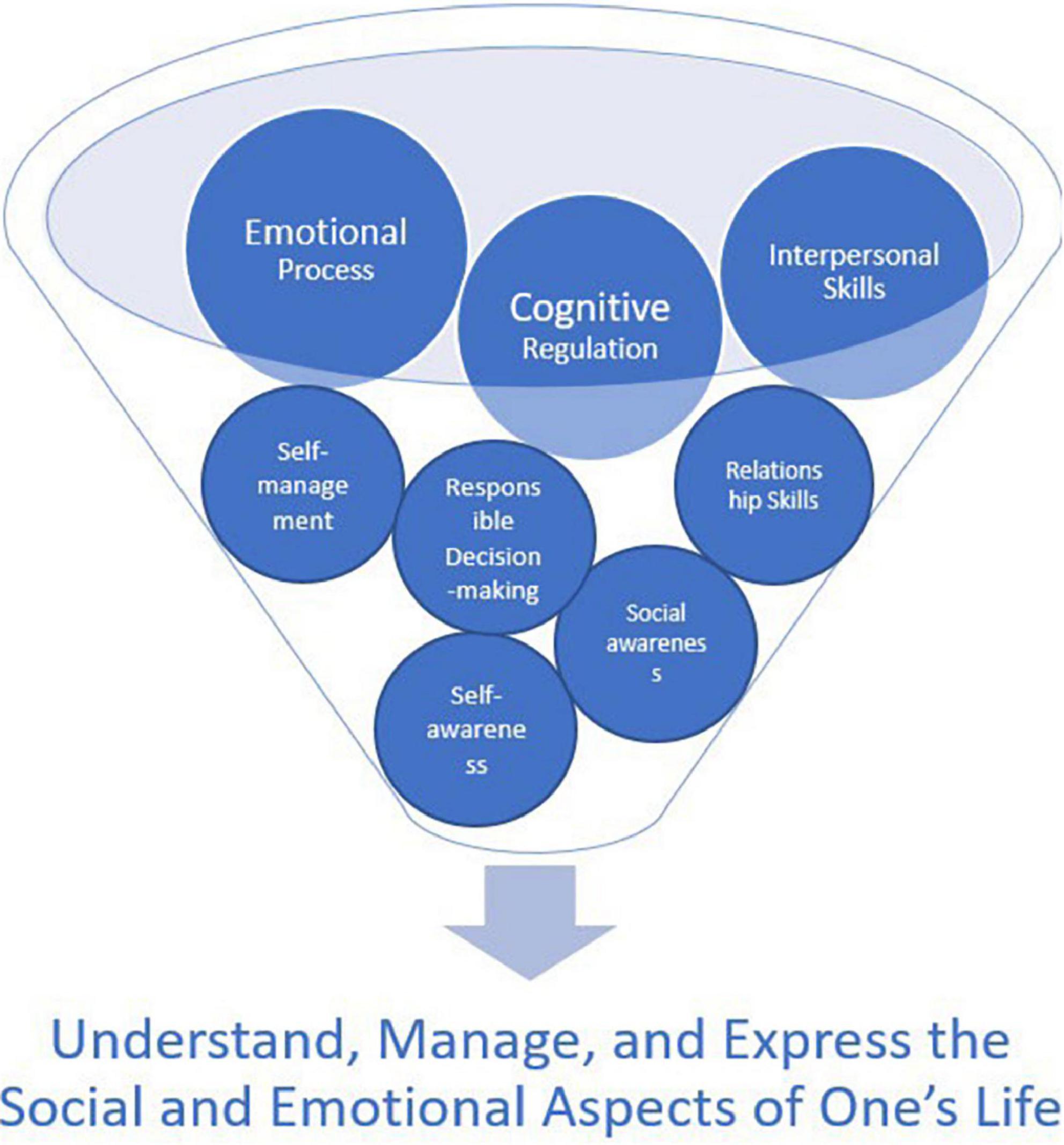
SEL refers to the process through which children and adults acquire and effectively apply the knowledge, attitudes, and skills necessary to understand and manage emotions, set and achieve positive goals, feel and show empathy, establish positive relationships, and make responsible decisions. Integrating SEL in schools leads to improved academic outcomes, better student behaviour, and enhanced well-being for both students and educators.
- Boosts academic performance
- Reduces emotional distress and behavior problems
- Encourages empathy and social awareness
- Fosters a safe, supportive school culture
Key Trends Shaping the Future of SEL in Schools
As we look ahead, several key trends are driving the evolution of social-emotional learning in education. School leaders, educators, and policymakers should consider these directions to provide students with the tools they need to thrive.
1. Embracing SEL Across the Whole School
The future for SEL is holistic, extending beyond standalone lessons. There’s a growing emphasis on school-wide SEL integration, creating cohesive environments where social-emotional skills are embedded in daily routines, academic instruction, extracurricular activities, and school culture. Districts are now implementing complete frameworks to ensure consistency and equity in SEL experiences.
2. Leveraging technology and Digital Tools
Technology is reshaping SEL delivery, making it more engaging and accessible. Interactive platforms, mobile apps, AI-based mood trackers, and virtual SEL lessons allow schools to personalize learning and monitor student progress in real time. Moreover, digital platforms can definitely help schools reach remote learners and facilitate SEL in virtual classrooms.
- SEL-focused apps and games for self-regulation and mindfulness
- Online professional growth for educators
- AI-powered analytics for early intervention and progress tracking
3.Cultural Responsiveness and Equity in SEL
Future SEL will prioritize culturally responsive practices that honor diverse identities. School leaders are recognizing the need to tailor SEL programs so that they are inclusive, reflect students’ lived experiences, and support equity. This includes:
- Integrating culturally affirming curriculum materials
- Actively engaging families and communities
- Supporting multilingual learners
- addressing systemic barriers to emotional well-being
4. focus on Adult SEL and Staff Well-being
There is a renewed focus on the social-emotional well-being of educators and staff, not just students. Future SEL programs incorporate adult SEL development, recognizing that teachers who feel supported and emotionally healthy are better equipped to foster SEL in students.
- Staff wellness initiatives and coaching
- Mindfulness and stress management training
- Collaborative staff learning communities
5. Measuring SEL Outcomes and using Data-Driven Decision Making
With SEL becoming more integrated into school accountability frameworks, there is increasing investment in measuring SEL outcomes. Schools are adopting data-driven approaches to assess student growth in areas such as self-awareness, empathy, and responsible decision-making. This enables schools to refine programs for maximum impact.
Emerging Innovations in SEL: What’s on the Horizon?
Education technology companies, research organizations, and forward-thinking school districts are piloting a range of innovations in SEL to address complex student needs in and beyond the classroom.
1. Immersive Experiences and Virtual Reality (VR)
Virtual reality technology is making it possible for students to develop empathy by experiencing different perspectives in immersive environments. for example, students can engage in VR simulations that challenge them to resolve conflicts, practise emotional regulation, or navigate peer relationships.
2. Gamification of Social-Emotional Skills
Gamification harnesses students’ love for digital play to build SEL competencies. Interactive games encourage resilience, collaboration, and decision-making in a safe, engaging space. These approaches help make SEL accessible and appealing to digital-native learners.
3. Real-Time Feedback with AI and Wearable Devices
advances in AI and wearable tech are enabling real-time monitoring of emotional states through biometric feedback. Students can receive just-in-time prompts and support, while schools use anonymized data to inform school wellness efforts and interventions.
4. Student-Led SEL Initiatives
Empowering students to take an active leadership role in SEL initiatives is an emerging practice. Whether through peer mentoring, conflict resolution teams, or student-designed wellness campaigns, schools are giving students a voice and ownership in building mentally healthy communities.
Benefits of Forward-Thinking SEL Approaches
Modernizing SEL brings a wide range of benefits for school communities. When implemented effectively,the future directions for SEL in schools can help unlock student potential and foster inclusive,empathetic environments.
- Improved self-regulation and emotion management
- Greater student engagement and motivation
- Reductions in bullying, absenteeism, and disciplinary issues
- Enhanced sense of belonging and community
- Stronger family-school partnerships
Practical Tips: How Schools Can prepare for the Next Generation of SEL
Looking to advance SEL in your school or district? Here are actionable strategies for staying ahead of these evolving trends:
- Build strong leadership teams: Prioritize professional learning around SEL for administrators and teachers alike.
- Embed SEL in all subjects: Look for opportunities to integrate SEL principles into academic lessons, extracurriculars, and school policies.
- Leverage technology purposefully: Choose digital tools aligned with your SEL goals and ensure equitable access for all students.
- Partner with families and communities: Involve parents and local organizations to extend SEL beyond the classroom.
- Continuously assess progress: Use data to monitor SEL outcomes, identify gaps, and refine strategies for continual advancement.
Case Study: future-Focused SEL at Sunnyside High School
Consider the experience of Sunnyside High School, which introduced a school-wide SEL initiative in 2022. By integrating SEL into every classroom, investing in staff training, adopting a cloud-based student reflection platform, and launching a peer mentoring programme, Sunnyside saw:
- A 40% reduction in student disciplinary referrals
- Increased family engagement in school events
- Improved teacher satisfaction and retention rates
The school’s data-driven approach and commitment to cultural responsiveness have been recognized as a model for SEL innovation.
Addressing SEL Challenges in the Years Ahead
while the future of SEL in schools is promising, educational leaders must navigate challenges such as funding constraints, staff burnout, and resistance to change. Common solutions include:
- Accessing SEL grants and public funding opportunities
- Prioritizing staff support and ongoing professional development
- Communicating the research-backed benefits of SEL to all stakeholders
By proactively addressing these barriers, schools can sustain prosperous, scalable SEL programs well into the future.
Conclusion: creating Flourishing School Communities Through innovative SEL
The future directions for SEL in schools are guided by holistic integration,cultural responsiveness,and technology-driven innovations. As educational environments evolve, forward-thinking approaches to social-emotional learning will be key to preparing students for the academic, social, and emotional demands of an unpredictable future. By investing in innovative SEL practices, schools can create communities where every learner thrives—academically, emotionally, and socially.