
Future Directions for SEL in Schools: Key Trends and Innovative Strategies for the Next Decade
Introduction: Shaping the Next Generation Through SEL
The landscape of education is rapidly evolving, and Social and Emotional Learning (SEL) in schools sits at the forefront of this conversion. As we look towards the next decade, the importance of SEL is only growing—from promoting students’ mental health to building crucial life-long skills like empathy, self-regulation, and effective communication. With digital tools,diversity initiatives,and data-driven approaches shaping today’s classrooms,understanding the future directions for SEL has never been more essential.this article highlights key SEL trends, groundbreaking strategies, and actionable steps schools can implement to empower students for success in an interconnected world.
Understanding SEL: A Foundation for Future-Ready Schools
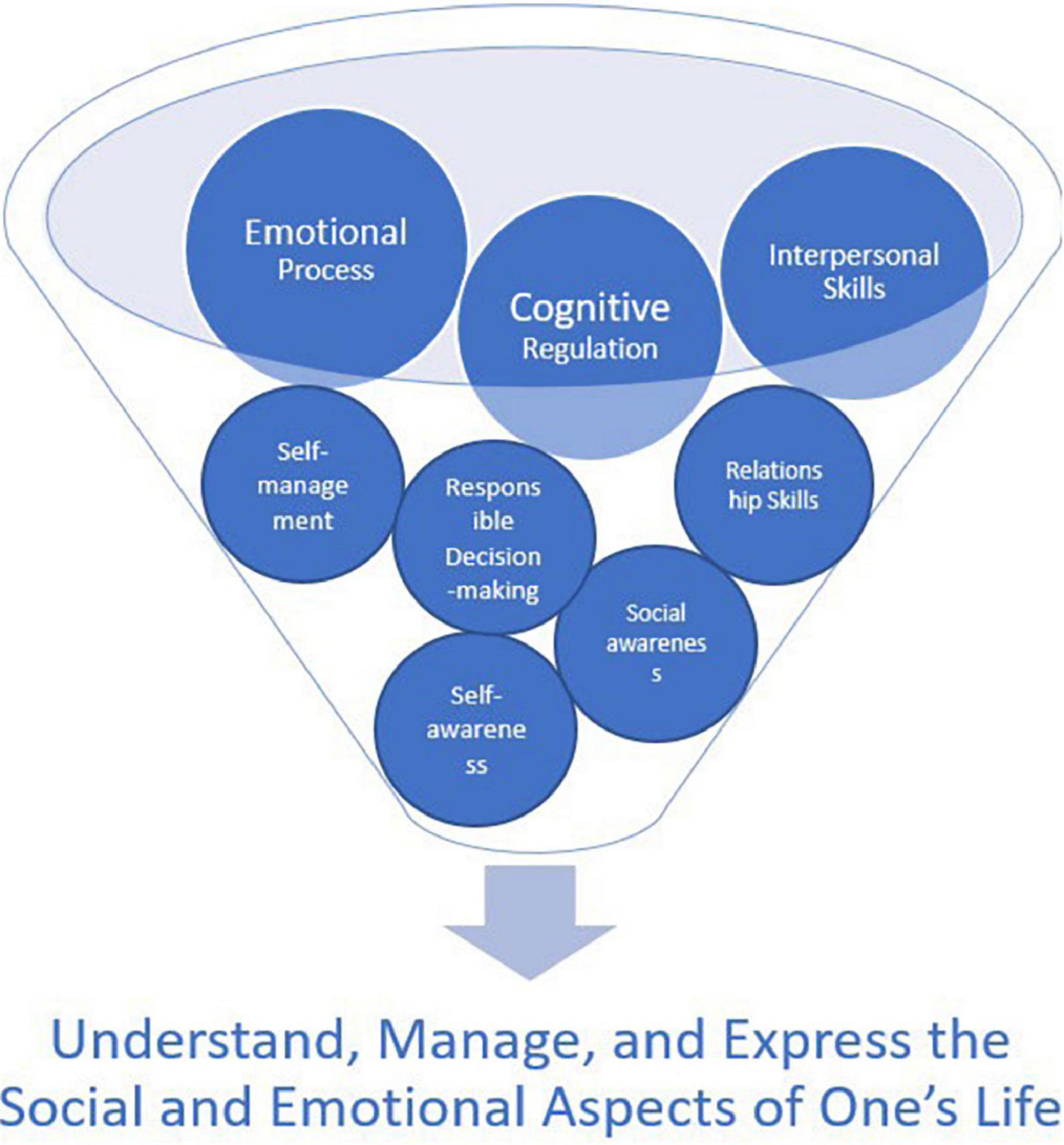
Social and Emotional Learning (SEL) encompasses the processes through which students develop the skills to manage emotions, set positive goals, feel and show empathy for others, establish healthy relationships, and make responsible decisions. Research consistently demonstrates that robust SEL frameworks enhance academic achievement, reduce behavioral problems, and foster positive school climates. As we venture into a new decade, schools must consider how to adapt and expand SEL to meet emerging challenges and opportunities.
Key Trends Shaping the Future of SEL in Schools
1. Integration with Academic Curriculum
The next decade will see SEL deeply woven into academic content, rather than being an isolated or supplementary program. Embedding SEL in subjects such as math, language arts, and science ensures students practice emotional intelligence and self-management while mastering core skills.
- Curriculum mapping to align SEL competencies with learning standards
- Project-based learning to nurture collaboration and problem-solving
- Reflective activities that connect personal growth with academic progress
2.Leveraging Technology for personalized SEL
Edtech platforms are enabling schools to personalize SEL instruction, assess students’ progress in real time, and deliver targeted support. From AI-driven assessments to virtual SEL environments, digital innovation is expanding access and engagement.
- SEL apps and digital learning modules integrated into classrooms
- Gamified tools to build emotional skills through interactive play
- Mobile communication platforms to extend SEL learning beyond school
3. Focus on equity, Diversity & Inclusion
SEL’s future rests on its ability to address the diverse backgrounds and needs of students. Schools are moving toward culturally responsive SEL frameworks that recognize and value each student’s identity and experience.
- Inclusive curricula reflecting various cultures and perspectives
- Bias awareness and anti-racism training for educators
- Community partnerships to bridge cultural gaps and offer wraparound support
4. Trauma-Informed SEL Practices
With heightened awareness of student mental health, trauma-informed SEL is becoming essential. Schools are adopting strategies that recognize the impact of adverse experiences and foster safe,supportive learning environments.
- Professional development for teachers on trauma-sensitive approaches
- Mindfulness and stress management programs
- Flexible policies that accommodate individual student needs
5. Family and Community Engagement
The next era of SEL emphasizes collaboration between schools, families, and the wider community. Engaging stakeholders in SEL program design and delivery enhances both reach and effectiveness.
- Family workshops to build SEL skills at home
- Community-driven initiatives and mentorship programs
- Obvious communication about SEL goals and outcomes
Innovative Strategies for Advancing SEL in the Next Decade
Data-Driven SEL Implementation
using data analytics, educators can identify trends, measure progress, and tailor interventions to support SEL development. Schools are increasingly leveraging surveys, behavioral data, and feedback tools to refine their approaches.
Peer-to-Peer SEL Programs
Peer-led initiatives, such as mentorship and student ambassador programs, empower students to take active roles in shaping school culture. These programs build leadership skills and create authentic opportunities for emotional development.
Blended and Flexible Learning Models
Hybrid models that combine in-person and online SEL lessons accommodate diverse learning needs and environments. Flexible access to SEL resources supports students during transitions, such as remote or hybrid schooling.
SEL Professional Learning Communities
Sustained professional development is critical for successful SEL integration. By forming SEL-focused teams or learning communities, educators can share best practices, foster collaboration, and drive continuous advancement.
Benefits of Future-Focused SEL Programs
- Improved Academic Achievement: Students with strong SEL skills are more engaged learners and demonstrate higher academic performance.
- Positive School Climate: SEL fosters respectful, inclusive environments that promote safety and belonging.
- Mental Health Support: Proactive SEL addresses anxiety, depression, and other mental health challenges, facilitating early intervention.
- Workforce Readiness: Skills like resilience, adaptability, and teamwork help students succeed in future careers.
- Family and Community Connection: SEL strengthens relationships among educators, families, and community partners.
Practical tips for Effective SEL implementation
- Assess your school’s current SEL practices and identify areas for growth.
- Involve all stakeholders—teachers, families, and students—in ongoing SEL discussions.
- Prioritize professional development to empower educators with the latest SEL research and strategies.
- leverage technology to personalize and scale SEL instruction.
- Integrate SEL into daily routines and classroom activities for maximum impact.
- Celebrate small gains and continuously collect feedback for program improvement.
Case Study: A Glimpse Into Tomorrow’s SEL Classroom
Sunrise middle School’s Transformative SEL Journey
At Sunrise Middle School, SEL is more than a curriculum—it’s a way of life.the school combined digital SEL platforms with classroom routines,offering students daily check-ins via a custom app. Teachers embedded mindfulness exercises into math and science lessons, while student-led PEER groups fostered empathy and teamwork. Over three years, Sunrise saw a 30% drop in disciplinary cases, improved standardized test scores, and overwhelmingly positive feedback from parents and students alike.
First-Hand Experience: Teacher Insights from the Front Lines
“Integrating SEL with technology has changed the way I connect with my students. real-time mood trackers and interactive lessons capture their attention and give me valuable context, helping me address challenges before they escalate.”
— Emily Carter, Grade 7 Teacher
“Families are now true partners in our SEL journey. With regular workshops and resources, parents feel empowered to reinforce SEL skills at home, creating unity between school and family life.”
— José ramirez, School Counselor
Conclusion: The Promise of SEL for the Next Generation
As we look ahead, it’s clear that the future of SEL in schools is bright, innovative, and deeply impactful. By embracing data-driven approaches,digital tools,equity initiatives,and community engagement,education leaders can ensure every child develops the social and emotional skills needed to thrive. SEL isn’t just about better classrooms; it’s about shaping resilient, empathetic citizens ready to lead in an unpredictable world. Now is the time for schools to commit to SEL as a cornerstone of future-ready education.