
Future Directions for SEL in Schools: Trends, Innovations, and What’s Next
In today’s rapidly evolving educational landscape, Social-Emotional Learning (SEL) stands at the forefront of equipping students not just for academic success, but for enriched emotional and social well-being. As schools continue to prioritize SEL, new trends and innovative approaches are emerging. In this comprehensive guide, we dive into the future directions for SEL in schools, exploring current trends, ground-breaking innovations, actionable insights, and predictive glimpses into what’s next for education.
What is Social-Emotional Learning (SEL)?
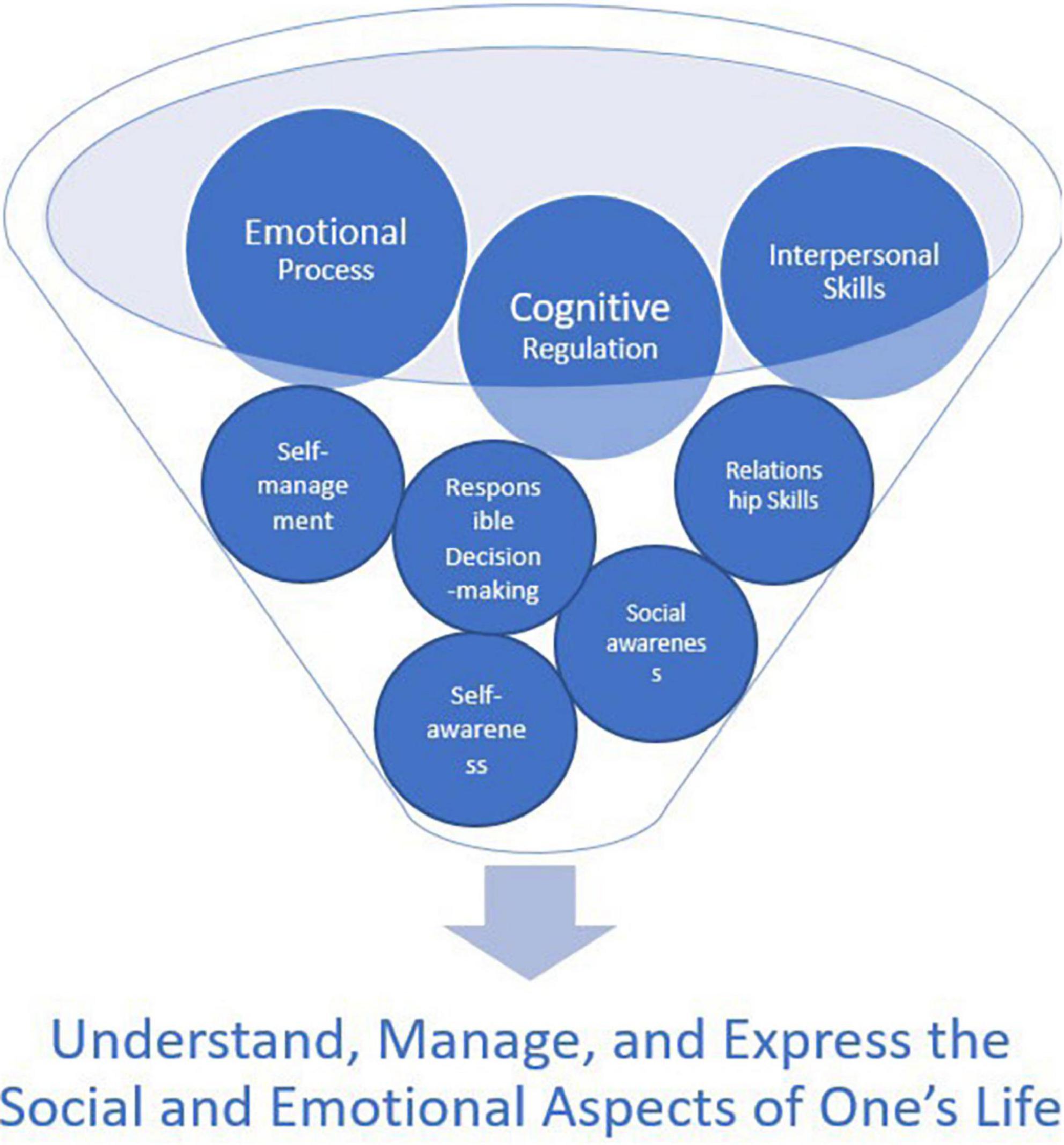
Social-Emotional Learning refers to the process through which children and adults acquire and effectively apply the knowledge, attitudes, and skills necessary to understand and manage emotions, set and achieve goals, show empathy, maintain positive relationships, and make responsible decisions. SEL frameworks are increasingly seen as vital for fostering well-rounded advancement in students, especially in today’s interconnected and often challenging world.
The importance and Benefits of SEL in schools
- Enhanced Academic Performance: Multiple studies show that SEL can boost academic achievement by up to 11 percent.
- Improved Emotional Regulation: Students are better equipped to handle stress and resolve conflict.
- Positive School Climate: Comprehensive SEL programs lead to safer and more inclusive school environments.
- Long-term Life Skills: SEL supports the development of skills like teamwork, interaction, and empathy—crucial for future workplace success.
- Reduced Behavioral Issues: Schools report fewer disciplinary incidents and lower dropout rates when SEL is embedded in the curriculum.
Top trends Shaping the Future of SEL
As awareness of SEL grows, several key trends are emerging, signaling the future trajectory of SEL initiatives in schools worldwide.
1. Integration of SEL Across the Curriculum
The most effective SEL programs are no longer confined to standalone lessons. Schools are weaving SEL seamlessly into all subject areas—from mathematics and language arts to science and physical education. This cross-curricular integration ensures that students practice SEL skills throughout the day and within various contexts.
2.Technology-Driven SEL Tools
Educational technology is transforming the delivery and assessment of SEL. Interactive apps, AI-based platforms, and virtual reality experiences now offer personalized SEL journeys, digital journaling, and real-time emotional feedback, making learning both engaging and accessible.
- SEL Assessment Apps: Track progress and provide insights into student growth.
- Mental Health Support Platforms: Bridge gaps in access to counselors or psychologists.
- Gamified Learning: Motivates students through rewards and interactive challenges.
3. Culturally Responsive SEL
As schools serve increasingly diverse populations, culturally responsive SEL is essential. This approach recognizes students’ backgrounds, experiences, and identities, and tailors SEL lessons to be inclusive and relevant. Schools are adopting frameworks that affirm cultural identity and foster belonging for every student.
4.Family and Community Engagement
Recognizing that SEL extends beyond the classroom, future-facing programs actively involve families and local communities. Workshops, family engagement nights, and online resources empower parents and guardians to reinforce SEL concepts at home, creating a consistent support system for students.
5.Focus on Educator SEL and Well-being
For SEL to flourish,educators themselves must feel supported and emotionally healthy.Increasingly, schools are implementing initiatives to nurture staff well-being, including mindfulness practices, peer support networks, and professional development focused on self-care and emotional resilience.
Innovations Driving the Next Wave of SEL
Innovative approaches are pushing SEL forward and opening new possibilities in education. Here are some of the most promising developments:
1.Data-Informed SEL Implementation
Advanced analytics and data-driven decision-making are making SEL implementation smarter and more effective. digital tools now collect and analyze behavioral, attendance, and emotional health data to identify needs and measure impact, informing targeted interventions and continuous improvement.
2. Mindfulness and Resilience Training
Mindfulness education is gaining traction as a core component of SEL. Practices such as meditation, breathing exercises, and focus training help students build resilience, manage anxiety, and enhance emotional awareness—critical skills in a fast-paced world.
3. SEL for Equity and Anti-Bullying Efforts
Many districts are embedding SEL into anti-bullying and equity initiatives. SEL frameworks help address root causes of bullying, promote restorative practices, and foster respectful, caring communities—paving the way for safer, more just schools.
4. student-Driven SEL Programs
Empowering students to take a leadership role in SEL initiatives is a rising trend. Peer mentoring, student-led workshops, and collaborative projects enable youth participation, making programs more relatable and impactful.
Practical Tips for Effective SEL Implementation
- Start Small and Scale: Pilot SEL programs in a few classrooms, gather feedback, and expand gradually.
- Invest in Ongoing Professional Development: Equip educators with up-to-date SEL training and resources.
- Engage the Whole Community: Involve families, staff, and community partners in the SEL journey.
- Be inclusive: Integrate culturally relevant practices to ensure all students feel seen and valued.
- measure and Reflect: Use data to assess SEL’s impact and drive continuous improvements.
Case Studies: SEL Success in Action
Chicago Public Schools: A District-Wide Commitment
By integrating SEL competencies into academic standards and emphasizing culturally relevant teaching, Chicago Public Schools saw a remarkable decrease in suspension rates and notable gains in academic performance. Their approach involved dedicated SEL teams, ongoing staff training, and community engagement—creating a model for large, urban districts nationwide.
San Francisco Unified: Student-Led Initiatives
San Francisco Unified School District introduced SEL clubs, where students plan and lead activities promoting emotional health. As students take ownership, they become ambassadors for SEL, fostering peer support, stronger relationships, and a supportive school habitat.
Looking Forward: what’s Next for SEL?
The future of SEL in schools promises even greater integration,innovation,and impact. Here’s what we can expect:
- Increased Personalization: Customizing SEL programs to individual student needs using AI and real-time data.
- global Competency Focus: SEL will play a critical role in preparing students for a rapidly changing, interconnected global society.
- Deeper Integration with Academic and Career Skills: Blending SEL with critical thinking, creativity, and career readiness efforts.
- Continuous Engagement: Expanding SEL programs through all grade levels—from pre-kindergarten through high school—and supporting transitions into college and the workforce.
- Policy Support and Funding: Increased advocacy at state and national levels will ensure enduring SEL initiatives and resources for every student, nonetheless of background.
Conclusion
The growing emphasis on future directions for Social-Emotional Learning in schools marks a pivotal shift in how educators, families, and policy-makers view student success. By embracing new trends, leveraging innovation, and committing to inclusive practices, schools can build stronger, healthier, and more compassionate communities. As SEL evolves, its potential to transform education—and the lives of students—has never been greater. Now is the time to invest in what’s next for SEL and empower every student with the social-emotional skills they need to thrive.
For more insights on Social-Emotional Learning trends and best practices, stay connected with our blog—your resource for the latest in educational innovation and school success.