
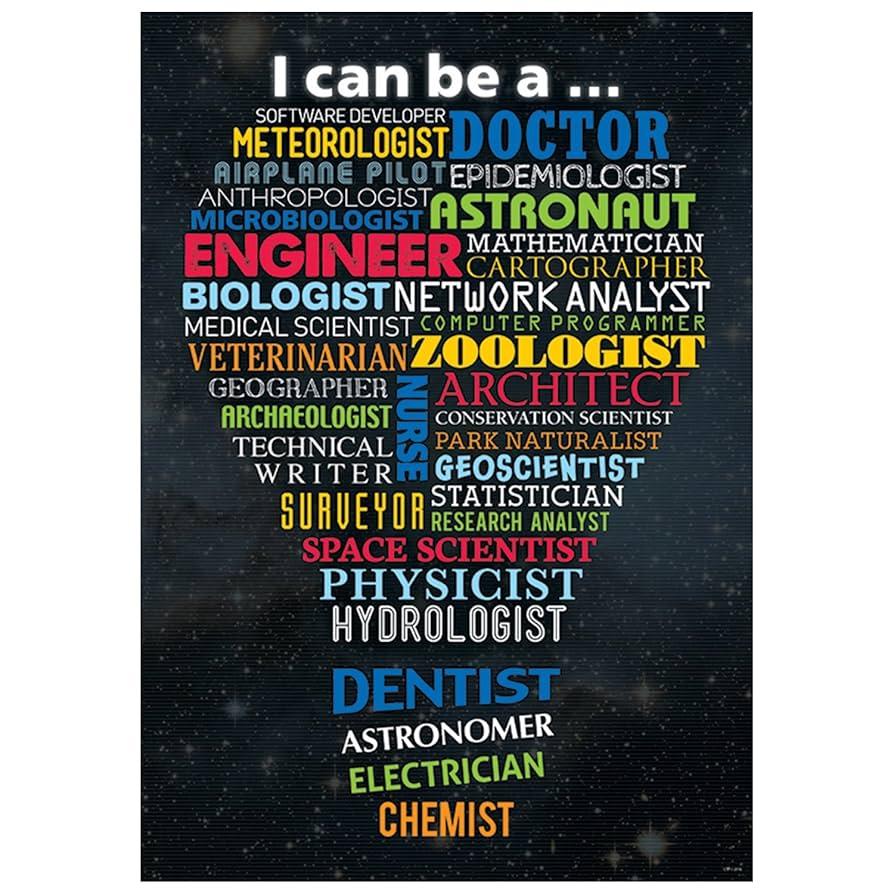
Future-Proof Careers: How Schools Are Preparing Students for Tomorrow’s Jobs
In a rapidly evolving job market, future-proof careers are at the forefront of education strategies. Find out how schools are preparing students for high-demand positions in technology, healthcare, green energy, and beyond.
Introduction: Navigating the Changing World of Work
The nature of work is transforming faster than ever due to technological advancement, globalization, and changing industry demands. Students today face a future were many traditional jobs will be replaced or changed, and entirely new career paths will emerge. As a result, schools play a critical role in equipping students with the skills, mindset, and adaptability required to pursue future-proof careers.
From STEM education to soft skills growth, institutions are innovating curricula to help tomorrow’s workforce not just survive but thrive. In this article, we’ll uncover how schools are preparing students for tomorrow’s jobs, practical tips for educators and parents, and real-world examples of success.
What Are Future-Proof Careers?
Future-proof careers are those that are expected to remain in demand despite technological and economic changes. These roles typically require skills that cannot be easily automated, such as creativity, problem-solving, emotional intelligence, and technological literacy. Some examples include:
- Cybersecurity Specialists
- Data Scientists & AI Experts
- Healthcare Professionals (e.g.,Telemedicine)
- Green Energy Engineers
- Educators and Trainers
- Digital Marketing Strategists
- UX/UI Designers
By focusing on these and other high-growth industries,schools are ensuring students gain skills and knowledge relevant to the jobs of tomorrow.
Strategies Schools Use to Prepare Students for Tomorrow’s Jobs
To foster career readiness, schools are adopting innovative strategies that go beyond traditional teaching methods. Key approaches include:
STEM-Focused Curriculum
- Enhanced science, technology, engineering, and math lessons
- Hands-on projects like robotics and coding competitions
- Integration of real-world problem solving into daily lessons
Digital Literacy & Technology Integration
- Training in computer science, cybersecurity, and data analysis
- Use of tablets, smartboards, and online collaboration tools
- Teaching safe and ethical digital practices
Soft Skills & Life Skills Development
- Encouraging teamwork,leadership,and emotional intelligence
- Focusing on communication,adaptability,and creativity
- Critical thinking and project-based learning
Career Counseling and Industry Partnerships
- In-school career guidance and mentorship programs
- Internships, job shadowing, and industry visits
- Opportunities to work on community-based or industry-led projects
By emphasizing job market adaptability and a lifelong learning mindset, schools empower students to navigate future changes confidently.
Benefits of Future-Proof Career Preparation
Preparing students for future-proof jobs comes with a host of benefits, both for individuals and society at large. Here’s why it’s crucial:
- Increased Employability: Students are more likely to secure high-wage positions in growing sectors.
- Resilience to Change: Adaptable skills mean graduates can thrive even as industries evolve.
- Global Competitiveness: Future-focused education helps nations maintain a skilled, innovative workforce.
- Empowered Learners: students develop confidence and initiative, ready to pursue new opportunities.
- Reduced Skill Gaps: By targeting in-demand skills, schools help businesses find qualified talent.
These advantages set students on a path for lifelong success, benefiting families and communities as well.
Case Studies: schools Leading the Way
Many educational institutions around the globe have become pioneers in future-proof career education. Let’s look at a few inspiring examples:
1. singapore’s SkillsFuture Program
Schools in Singapore collaborate closely with the government for the SkillsFuture Initiative. From primary to tertiary levels, students are encouraged to pursue lifelong learning and regularly upskill through courses and workshops aligned with the latest industry needs.
2. Finland’s Interdisciplinary Learning Approach
Finnish schools blend subjects, emphasizing creativity, critical thinking, and collaboration over rote memorization. Students work on multidisciplinary projects, gaining a holistic view and understanding how different fields connect in real-world scenarios.
3. U.S. career Technical Education (CTE)
Many U.S. high schools offer Career Technical Education, which combines academic study with hands-on training in high growth industries like healthcare, IT, and engineering. Partnerships with local companies offer internships and mentorship opportunities.
First-Hand Experience: Voices from the Classroom
Direct feedback from students and educators can offer invaluable insights into the impact of career-focused education. Here are a few stories:
“Learning robotics and programming turned my interest in gaming into a path towards a future job in game design. The school’s coding club connected me with industry mentors and I even landed a summer internship!”
— Alex K., High School Senior
“Incorporating project-based learning in my classroom helps students become more adaptable and eager to explore new technologies. I see them building confidence each semester.”
— Mrs.Lee, STEM Educator
These experiences demonstrate the real value of modern education in shaping career trajectories that remain relevant.
practical Tips for Educators and Parents
Preparing students for future-proof careers requires a team effort—here are practical steps educators and parents can take:
- Encourage Curiosity: Support interests in coding, robotics, or environmental science, even outside the classroom.
- Leverage Online Resources: Use free platforms such as khan Academy, Coursera, and code.org for supplemental learning.
- Promote Soft Skills: Engage students in team projects, debates, or volunteer activities to grow communication and leadership.
- Connect with Professionals: Invite industry experts for career talks or arrange workplace visits.
- Stay Informed: Follow job market trends and update curricula accordingly.
These actionable steps can definitely help ensure every child is ready for whatever tomorrow’s job market brings.
Conclusion: Building a Future-Ready Generation
As industries evolve, so does the definition of success in the workplace. Schools across the globe are adapting, working tirelessly to provide students with the skills, knowledge, and resilience needed to excel in future-proof careers. From STEM initiatives to life skills training and industry partnerships, the journey to career preparedness begins early.
For parents, educators, and policymakers alike, staying ahead in the age of rapid transformation means investing in versatile, forward-thinking education strategies. By working together, we can empower the next generation to not only face the jobs of tomorrow—but to invent them.
The future is shining for students equipped with the right skills, mindset, and support—let’s continue to build pathways to success for every learner.