
Future-Proof Careers: How Schools Can Prepare Students for Tomorrow’s Jobs
Introduction
The rapid evolution of technology, globalization, and shifting industry demands have dramatically changed the landscape of the job market. So, what does it mean to have a “future-proof career”? More importantly, how can schools equip students with the necessary skills and mindset to thrive in tomorrow’s jobs? In this article, we’ll delve into actionable strategies, valuable insights, and real-life examples to help educators and institutions inspire and prepare their learners for a dynamic and resilient professional future.
Understanding Future-Proof Careers
A future-proof career is one that is adaptable, resilient, and less likely to become obsolete as technology and industries evolve. The competencies required for such careers go far beyond technical expertise—they encompass creative problem-solving, emotional intelligence, lifelong learning, and digital literacy. By future-proofing students, schools can ensure they are well-prepared for the jobs of tomorrow, even those that don’t yet exist.
- Adaptability: Ability to pivot and learn new skills as industries change
- Digital Literacy: Familiarity with emerging technologies and online platforms
- Critical Thinking: The skill to analyze complex problems and make informed decisions
- Collaboration: Working effectively in diverse and remote teams
- Emotional Intelligence: Manage oneself and understand others in a professional setting
Why Schools Must Rethink Education for the Future Workforce
The World Economic Forum predicts that 65% of children entering primary school today will eventually work in jobs that currently do not exist.Faced with this reality, traditional education systems—often focused on rote memorization and standardized testing—must evolve. Schools have a unique obligation to nurture the skills, creativity, and adaptability that future-proof careers demand.
Key Benefits of Preparing Students for Tomorrow’s Jobs
- Enhanced employability: Students become competitive candidates for a wider range of roles.
- Economic resilience: Prevents unemployment caused by automation and technological disruptions.
- Greater innovation: Cultivates entrepreneurial minds ready to tackle global challenges.
- Personal fulfillment: Enables students to pursue careers aligned with their strengths and interests.
Practical Strategies for Schools to Prepare Students
Preparing students for future jobs requires a multi-faceted approach.Hear are some proven strategies schools can adopt:
1. Integrate Emerging Technologies in the Curriculum
- Teach coding and robotics from an early age
- Incorporate artificial intelligence and data literacy modules
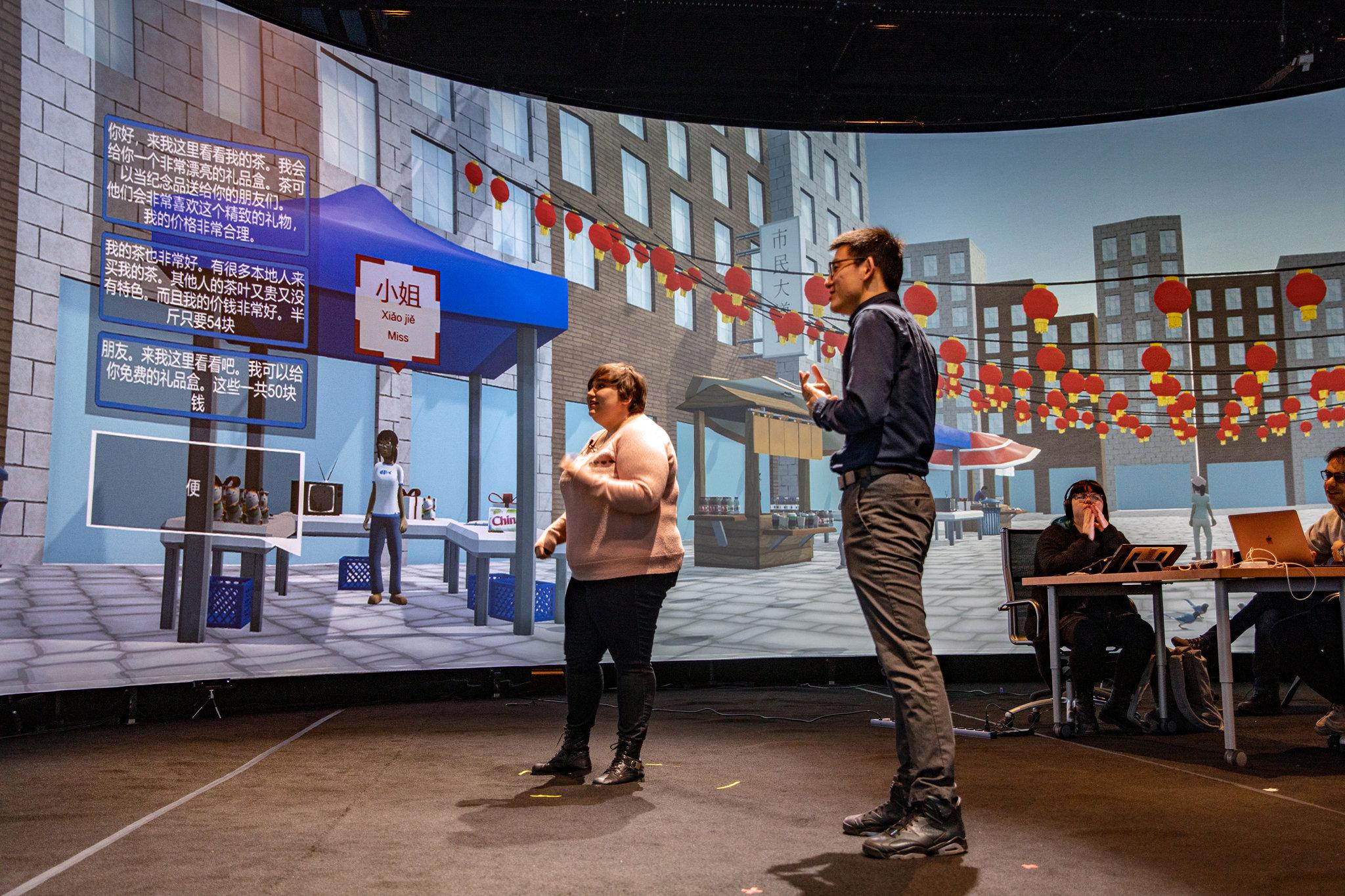
- Use virtual reality and gamification for experiential learning
2. Promote Lifelong Learning and Growth Mindset
- Encourage students to embrace continuous learning, upskilling, and adaptability
- foster self-directed projects and portfolios
- Equip learners with research and learning strategies they can use beyond the classroom
3. Emphasize Soft Skills and Personal Advancement
- Expand programs for collaboration, dialog, and leadership
- Promote emotional intelligence, resilience, and self-management
- Facilitate internships and mentorship programs with local businesses
4. Build Partnerships with Industry
- Invite guest speakers and experts from various sectors
- Collaborate with companies for hands-on projects and job shadowing
- Stay updated about future career trends via industry input
5. Encourage Creativity and Critical Thinking
- design interdisciplinary projects that solve real-world problems
- Reward innovative and out-of-the-box ideas
- Use inquiry-based and problem-based learning approaches
Case Studies: Schools Leading the Way
Several educational institutions worldwide are already paving the way in future-proofing student careers. Here are a few inspiring examples:
Finland’s Phenomenon-Based Learning
- Integrates subjects around real-world phenomena instead of traditional disciplines
- Empowers students to develop critical thinking and multi-disciplinary skills
Singapore’s SkillsFuture Movement
- Promotes lifelong learning across all ages
- Provides funding for skill development in future-ready sectors like AI and biotechnology
AltSchool (USA)
- Uses personalized learning plans powered by technology
- Stresses adaptability, self-management, and digital literacy
First-Hand Experience: Educators on the Front Lines
Teachers and administrators often share that adapting their teaching for future-proof careers is both challenging and rewarding. Here are a few insights from educators:
“Integrating robotics and coding into our elementary curriculum wasn’t easy, but our students now show greater confidence in technology and teamwork.”
– Emily Roberts, STEM Coordinator
“Partnering with local tech startups has exposed our students to real-world problem solving. They learn to fail quickly,iterate,and communicate effectively.”
– Mark Chen, High School Principal
How Parents and Communities Can Support Future-Proof Careers
Preparing students for tomorrow’s jobs is a collective effort. Parents and community members play crucial roles:
- Encourage curiosity and exploration at home
- Support extracurricular technology programs, coding clubs, and maker spaces
- Connect students with mentors in various industries
- Advocate for school initiatives focused on future-ready skills and lifelong learning
Conclusion
The future job market will be defined by rapid change, innovation, and global connectivity. Schools that prioritize future-proof careers not only help their students secure meaningful employment—they empower them to lead change in a turbulent world. By integrating technology, promoting essential soft skills, encouraging lifelong learning, and fostering industry partnerships, educators can ensure that today’s learners are prepared for tomorrow’s opportunities. The time to act is now: let’s work together to help every child discover and develop the skills necessary for a resilient future.
Ready to future-proof your school or career? Start by embracing change, fostering innovation, and nurturing lifelong learners — becuase the future belongs to those prepared for it.