
Future-Proof Skills: How to Prepare Students for Tomorrow’s Top Careers
In today’s fast-paced digital landscape, preparing students for future careers has never been more critical. Technological advancements, automation, and global changes are reshaping the job market at an unprecedented speed.So, how can educators, parents, and mentors ensure the next generation develops the future-proof skills required to thrive in tomorrow’s top careers? Let’s explore practical strategies and essential knowledge to help students land on their feet, no matter what the future holds.
Why Are Future-Proof Skills Important?
Wiht innovations such as artificial intelligence, automation, and remote work transforming job requirements, many conventional roles are evolving or disappearing. The World Economic Forum projects that by 2030, more than 1 billion jobs will be transformed by technology. Having future-ready skills enables students to adapt,grow,and excel in this ever-changing environment.
- Career Resilience: Adaptability prevents careers from becoming obsolete.
- Opportunities: Students with in-demand skills can seize emerging roles in tech, healthcare, sustainability, and more.
- Personal Growth: continuous learning fosters confidence and curiosity.
Top Future-Proof Skills for the Next Generation
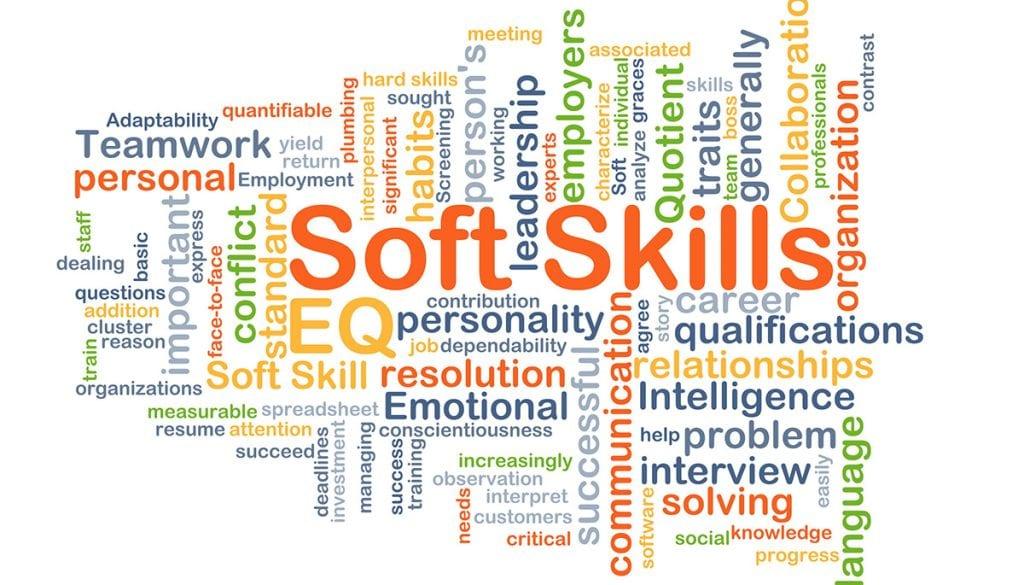
To excel in tomorrow’s top careers,students must blend technical know-how with crucial “soft skills.” Here’s a breakdown of the most valuable future-proof skills:
1. Digital Literacy and Tech Savviness
- Understanding Emerging Technologies: AI, blockchain, data analysis, and cloud computing.
- Basic Coding Skills: Even non-developers benefit from knowing coding fundamentals like Python,HTML,or JavaScript.
- Cybersecurity Awareness: Protecting data and understanding online threats.
2. Critical Thinking and Problem-Solving
- Ability to analyze complex issues and find effective solutions.
- Data-driven decision-making skills.
- Adapting strategies to new challenges.
3. Creativity and Innovation
- Developing new ideas, products, or ways of working.
- Design thinking and entrepreneurial mindsets foster innovation.
4. Adaptability and Resilience
- Embracing change as a constant.
- bouncing back from setbacks and learning from failures.
5. Emotional Intelligence and Collaboration
- Building relationships and understanding diverse perspectives.
- Effective teamwork in multicultural and remote environments.
- Dialog,empathy,and conflict resolution.
6. Lifelong Learning and Self-Motivation
- Keeping skills current with ongoing education and training.
- Developing a growth mindset.
How to Prepare Students for Tomorrow’s Top Careers
Building future-ready skills is a collaborative effort between schools, families, and communities. Here are practical steps to ensure students are well-equipped for the careers of the future.
1. Revamp the Curriculum
- Integrate STEM (Science, Technology, Engineering, Mathematics) and coding across all levels.
- Encourage project-based learning to develop problem-solving and teamwork.
- Promote digital literacy as a core subject, not just an elective.
2. Emphasize Experiential Learning
- Offer internships, mentorships, and apprenticeships in high-growth industries.
- Organize hackathons, design challenges, and real-world simulations.
3. Foster a Growth Mindset
- Encourage students to embrace failures as learning opportunities.
- Highlight stories of innovators who adapted and thrived amidst disruption.
4. Teach Soft Skills Intentionally
- provide communication, leadership, and teamwork workshops.
- Integrate mindfulness and social-emotional learning in the classroom.
5. promote Lifelong Learning
- Support access to online courses, micro-credentials, and digital portfolios.
- Celebrate learning inside and outside traditional classrooms.
Benefits of developing Future-Proof Skills
- Increased Employability: Students stand out to recruiters in a competitive job market.
- Flexibility: The ability to pivot into different industries as opportunities arise.
- Confidence: Readiness to tackle new tools, technologies, and trends.
- Global citizenship: Skills that transcend borders and prepare students for success anywhere.
Case Study: A High School’s journey to Future-Proof Education
“When our school integrated coding, entrepreneurship, and design thinking into every grade, we noticed a dramatic shift,” shares Jane Martinez, principal at FuturePath High. “Students began creating their own tech startups and participating in international competitions. They not only passed exams—they excelled as innovators and leaders.”
This example highlights that embedding future-oriented education into the school culture can spark real-world success and passion for continuous learning.
First-Hand Experiences: Insights from Recent Graduates
- Maria, Data Analyst: “Learning Python and participating in STEM clubs gave me an edge.My adaptability and drive to keep learning set me apart during job interviews.”
- Devin, Digital Marketer: ”Courses in digital media, plus internship experience, gave me the well-rounded skill set employers want. Collaboration skills mattered as much as tech know-how.”
Practical Tips for educators and Parents
- Model Curiosity: Encourage questions and exploration. Show students that learning never stops.
- Connect with Industry: Invite guest speakers from tech, finance, green energy, and healthcare sectors.
- Encourage Creativity: Support students in launching their own projects, from podcasts to coding apps.
- Leverage Technology: Use online platforms for virtual learning, coding challenges, and collaborative projects.
Preparing for the Careers of the Future: Final Thoughts
Tomorrow’s top careers may be unknown,but we can shape how students face them. By nurturing future-proof skills—from technical literacy to resilience and creative problem-solving—we empower the next generation to lead, adapt, and thrive. Together, educators, parents, and communities can ensure that every student is future-ready, no matter where the future leads.