
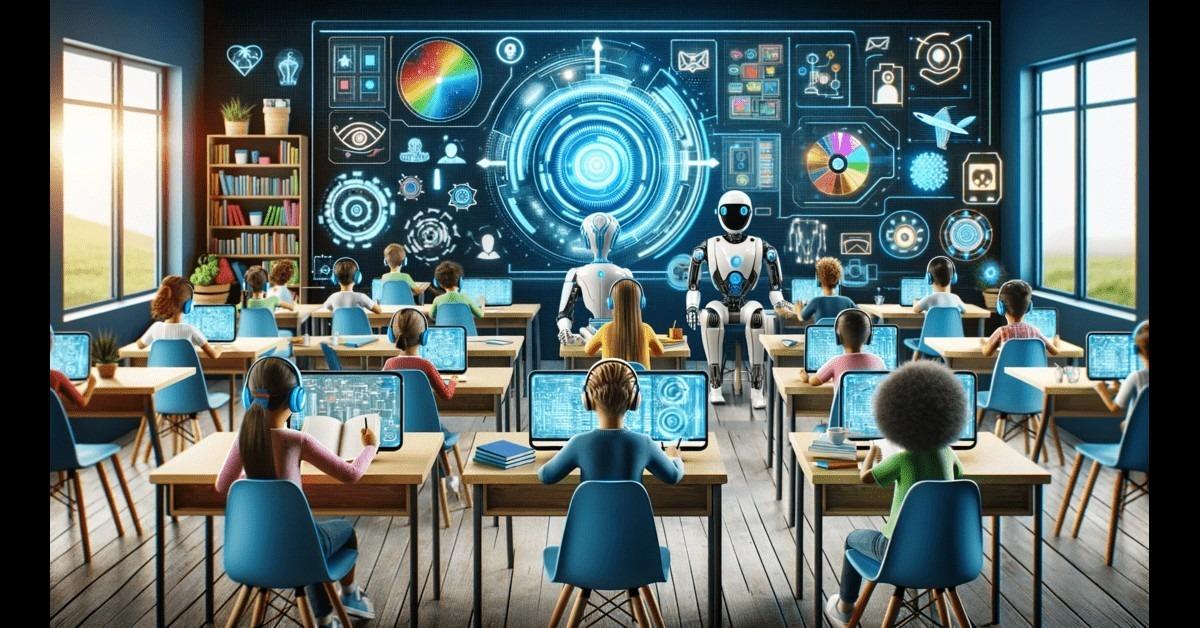
Future-Proofing Education: Top Strategies Policymakers Need to Ensure Lasting Success
In today’s rapidly evolving world,the education sector faces unprecedented challenges adn transformations. Technological advancements, evolving workforce demands, and global uncertainties require educational systems to be more adaptable than ever. Policymakers are tasked with a vital mission: future-proofing education to ensure lasting success for generations to come. This thorough guide explores proven strategies,benefits,case studies,and practical tips for policymakers eager to build resilient learning environments.
Why is Future-Proofing Education Essential?
The concept of future-proofing education involves preparing schools, teachers, and students to thrive in a world marked by rapid technological innovation and constant change. By adopting future-focused educational policies, countries can ensure that learners are well-equipped for both current and emerging challenges.
- Adapting to Automation: As automation reshapes the workforce, education must prioritize skills that can’t easily be replaced by machines—such as critical thinking, creativity, and emotional intelligence.
- Embracing Lifelong Learning: Career cycles are shortening, making lifelong learning essential for professional growth and adaptability.
- Ensuring Equity: Future-proof strategies help close achievement gaps, ensuring all students—regardless of background—have access to quality education.
- Resilience against disruptions: Building robust digital infrastructures and flexible curricula ensures continuity during crises like pandemics or natural disasters.
Top Strategies Policymakers Need to Ensure Lasting Success
To truly future-proof education systems, policymakers must look beyond short-term fixes and embrace systemic, sustainable reforms. Here are the top strategies that lay the groundwork for lasting educational success:
1. Foster Digital Literacy and Technology Integration
- Invest in Infrastructure: Ensure every school—urban and rural—has access to high-speed internet, modern devices, and technical support.
- Teacher Training: Provide professional growth on integrating digital tools and navigating blended or hybrid classrooms.
- Digital curriculum: Develop adaptive digital learning resources that evolve alongside technological advancements.
2. Emphasize 21st Century Skills
- Critical Thinking: Embed inquiry-based and problem-solving activities across all subjects.
- Collaboration & Dialog: Foster teamwork and effective communication for both in-person and remote settings.
- Creativity: Promote project-based learning where students can innovate and create.
3. Prioritize inclusivity and Equity
- Personalized Learning: Use data-driven tools to tailor instruction to individual student needs and learning styles.
- Accessible Content: ensure learning materials are available in multiple languages and formats, accommodating students with disabilities.
- Targeted funding: Allocate additional resources to underserved schools and communities.
4. encourage Continuous Professional Development
- Mentorship Programs: Pair newer teachers with experienced educators for guidance and support.
- Ongoing Training: Offer regular workshops on emerging pedagogical trends and technologies.
- Growth Mindset: Cultivate a culture where innovation and experimentation are rewarded.
5. build strong partnerships
- Industry Collaboration: Work with businesses to create up-to-date career pathways and real-world learning opportunities.
- Community Involvement: Engage parents and local organizations in school decision-making and policy planning.
- Global Networks: Participate in international education forums to adopt best practices and stay globally competitive.
6. Embed Flexibility and Agility in Policies
- Regular Policy Reviews: Set schedules for reviewing and updating guidelines to reflect new realities.
- Support for Innovation: Encourage pilot projects and experimentation, scaling successful initiatives.
Benefits of Future-Proofing Education Systems
- Economic Growth: Adaptive,skilled talent pools attract investment and foster entrepreneurship.
- societal Resilience: Prepared citizens can better navigate challenges and change, contributing to community well-being.
- Greater Social Equity: Access to quality education levels the playing field,increasing opportunities for all.
- Workforce Readiness: Students transition smoothly from classrooms to rapidly evolving workplaces.
Case Studies: Future-Proofing in Action
Finland’s Flexible Curriculum
Recognized globally for educational excellence, Finland revamped its curriculum to focus on abilities like problem-solving and collaboration. integrated digital literacy programs ensure all students are equipped for the digital age.
Singapore’s Lifelong Learning Initiatives
the SkillsFuture program empowers citizens to pursue ongoing education, from skills mastery for youth to retraining for adults. Strong public-private partnerships ensure training remains aligned with market needs.
Estonia’s Digital Leap
Estonia’s heavy investment in digital infrastructure and e-learning during the past decade enabled a seamless transition to remote education during the COVID-19 pandemic, minimizing learning disruptions.
Practical Tips for Policymakers: Making Change Happen
- Start Small,Scale Fast: Pilot new programs in select districts,collect data,and expand proven successes.
- Engage Stakeholders: Involve teachers,students,parents,and communities to ensure buy-in and local relevance.
- Invest in Data and Analytics: Use real-time data to inform policy tweaks and resource allocation.
- Promote Flexible Assessment: Develop more holistic forms of evaluation that measure skills beyond academics.
- Stay Informed: Keep abreast of global trends, new technologies, and pedagogical breakthroughs by joining international education forums and networks.
First-Hand Experience: Lessons from the Field
“As an education officer during the transition to online learning in 2020, I saw firsthand the critical need for both robust digital infrastructure and ongoing teacher support. Schools that had already invested in digital literacy pivoted smoothly, while those less prepared faced critically important hurdles.”
Experiences like Jane’s highlight that future-proofing education isn’t a one-time initiative. it requires ongoing investment, adaptation, and a willingness to learn from both successes and setbacks.
Conclusion: Building tomorrow’s Education Today
Future-proofing education is an urgent, ongoing process.By prioritizing digital literacy, 21st-century skills, inclusivity, strong partnerships, and flexible policymaking, decision-makers can build learning systems resilient to disruption and equipped for possibility. The journey requires vision, adaptability, and inclusive leadership—but the payoff is substantial: a generation prepared not just to survive, but to thrive in a complex, fast-changing world.
as policymakers, the strategies you implement today are the foundation for tomorrow’s success. Future-proof education,and you future-proof society.