
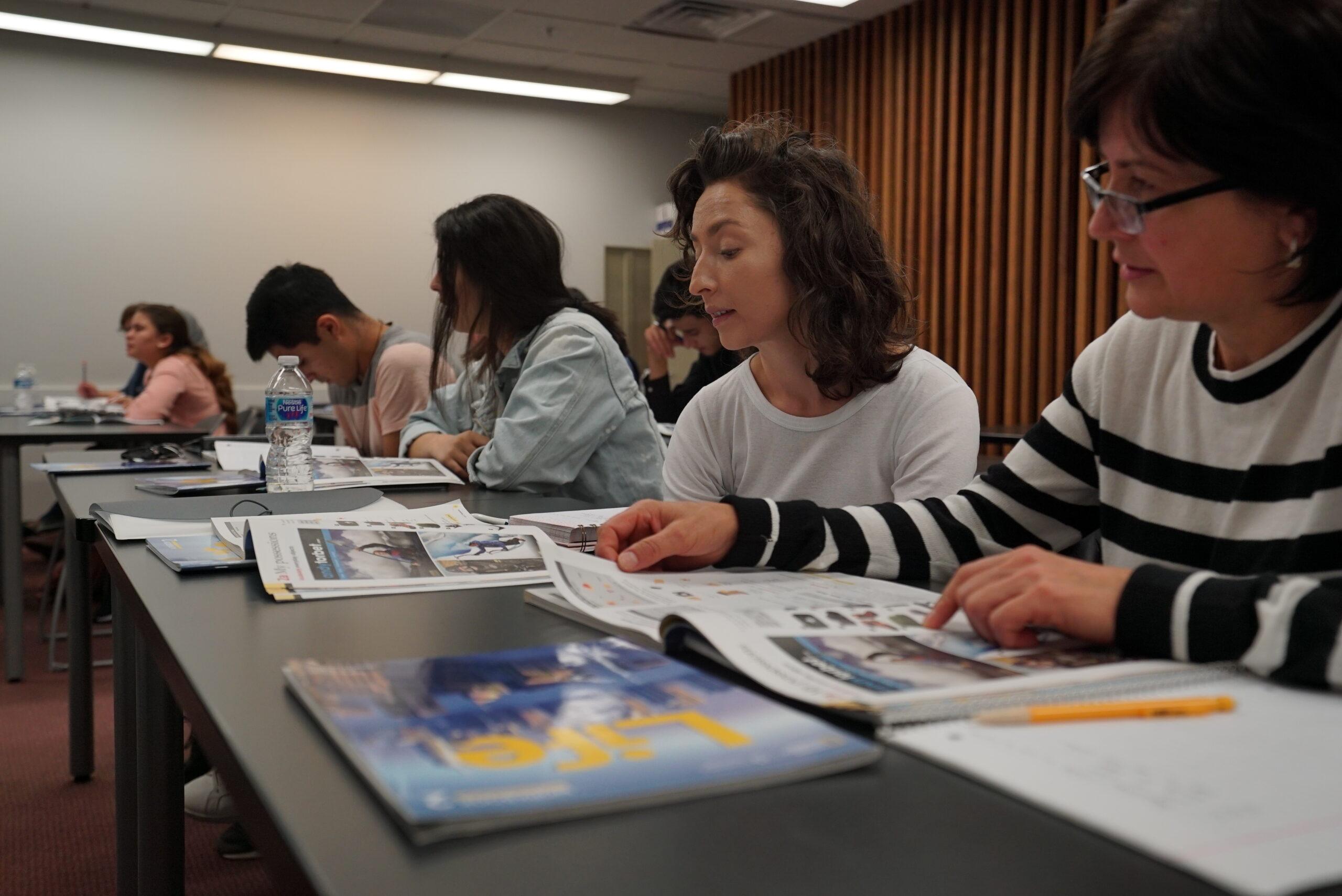
future-Ready Education: How Schools Are Preparing Students for Tomorrow’s Jobs
The world of work is rapidly evolving, driven by technology, innovation, and globalization. As we move further into the 21st century, schools are making strategic changes to ensure students are not just equipped for today’s careers, but are future-ready—prepared for jobs that may not even exist yet.This comprehensive guide explores how modern education systems worldwide are reshaping curricula, fostering critical skills, and leveraging technology to prepare youth for tomorrow’s workforce.
Why Future-Ready Education Matters
Advances in automation, artificial intelligence, and the global gig economy are transforming workplace expectations. According to the World Economic Forum, over 85 million jobs will be displaced by computers and automation by 2025, while 97 million new roles will emerge. This seismic shift demands a new approach to education—one that prioritizes adaptability, creativity, and lifelong learning.
- Automation and AI: Replacing routine jobs, creating opportunities in tech-driven fields.
- Globalization: Demanding cross-cultural communication and digital literacy.
- Gig Economy: Fostering entrepreneurial skills and self-management.
Key Strategies for Future-Ready Classrooms
Let’s explore the leading approaches schools are adopting to unleash students’ potential for future-ready jobs:
1. Emphasizing STEAM and Digital Literacy
- STEAM (Science, Technology, Engineering, Arts, Mathematics): By integrating arts into STEM subjects, schools encourage creativity alongside technical proficiency—critical for innovation in future careers.
- Digital Literacy: Coding, robotics, and media literacy programs ensure students can navigate emerging technologies and contribute to the digital workforce.
Example: The Scratch programming platform is widely used to teach basic coding in elementary and middle schools, fostering computational thinking early on.
2. Cultivating 21st Century Skills
- Critical Thinking & Problem-solving: Project-based learning tasks encourage inquiry, analysis, and innovation.
- Collaboration & Communication: Group assignments simulate workplace team dynamics and hone interpersonal skills.
- Adaptability: Rotating roles and project scenarios teach students to thrive in unpredictable environments.
3. Personalized and Flexible Learning Paths
Schools are moving away from one-size-fits-all models toward customized education. Personalized learning platforms like Khan Academy, adaptive assessments, and student choice foster engagement and target individual strengths.
- Tailored assignments for varying skill levels.
- Remote and blended learning to suit diverse learning styles and paces.
4. Integrating Real-World Experience
- Internships & Apprenticeships: Partnerships with businesses provide students with hands-on experience and industry insight.
- Career Fairs & Mentorship Programs: Exposure to a range of career paths and networking opportunities with professionals.
Case Study: In Germany, the Dual Vocational Training System allows students to split time between classroom instruction and apprenticeship in a company, boosting employment rates and workforce readiness.
5. Leveraging Educational technology (EdTech)
- Virtual Reality (VR) and Augmented Reality (AR): Enhance lessons in science, geography, and history through immersive experiences.
- AI-Powered Platforms: Adaptive learning tools analyze performance and recommend tailored content.
- Online Collaboration Tools: Google Workspace, Trello, and Slack promote team projects and remote learning.
Schools worldwide are investing in EdTech infrastructure to bridge gaps and keep pace with technological change.
Benefits of Future-Ready Education
- Enhanced Employability: Students gain the skills to succeed in high-growth industries like tech,healthcare,and green energy.
- Increased Engagement: Interactive, relevant curricula motivate students and build lifelong learners.
- Diversity and Inclusion: Personalized learning ensures all students—including those with special needs or language barriers—have pathways to success.
Practical Tips for Educators and parents
- Encourage Curiosity: Allow children to explore topics of interest outside textbooks.
- Support Tech Skills: Enroll students in coding or digital workshops; introduce them to educational apps.
- Promote Teamwork: Facilitate collaborative projects at home or in the community.
- Connect with Professionals: Attend local career days or virtual webinars with industry experts.
- Focus on Well-being: Prioritize social-emotional learning to nurture resilience and adaptability.
Case Studies: Real-World Success Stories
Singapore’s Future-Ready Blueprint
Singapore’s Ministry of Education implemented its SkillsFuture initiative, integrating career guidance, tech-based curricula, and mentorship throughout primary and secondary education. With strong industry-school partnerships, students graduate equipped for careers in fintech, engineering, and biotech.
- continuous curriculum updates with emerging industry skill needs.
- Holistic development via extracurricular programs in entrepreneurship,coding,and innovation.
The Finnish Model – Beyond Standardized Tests
Finland’s schools prioritize phenomenon-based learning, were students solve real-world problems across subject boundaries. By focusing on creativity and collaboration, students build strong analytical abilities and emotional intelligence—key traits for the future workforce.
First-Hand Experience: Meet the Future-Ready Student
Julia, a 16-year-old student from California, shares:
“My school offers coding bootcamps, robotics labs, and entrepreneurship classes. Last summer, I interned at a tech startup, working on a real app for local businesses. I learned more in a few months there than I ever imagined. I feel confident that whatever the future holds, I’ll have the tools to adapt and succeed.”
Overcoming Challenges in future-Ready Education
while the conversion towards future-ready schools is promising, it faces obstacles:
- Equity and Access: Not all students have equal access to digital resources and high-quality mentorship.
- Curriculum Rigidities: Updating entrenched syllabi and assessments takes time and policy support.
- teacher Training: Educators require ongoing professional development in tech tools and modern teaching strategies.
Solution: Governments, NGOs, and edtech companies are working together to minimize these gaps via funding, outreach, and training programs.
Conclusion: Empowering Tomorrow’s Leaders Today
future-ready education is more than a trend—it’s a necessity. By focusing on skills development, real-world experiences, and digital fluency, schools worldwide are empowering students to seize opportunities in an unknown job landscape. For parents and educators, embracing these strategies means building resilient, creative, and adaptable lifelong learners.
the classroom of tomorrow is here today, laying the foundation for a generation that will not just navigate but shape the future of work. Let’s continue to champion future-ready education and ensure every student has the tools, confidence, and mindset needed to succeed.