
Future-Ready Skills: How to Prepare Students for Tomorrow’s In-Demand Jobs
By embracing future-ready skills, we can empower students to thrive in an evolving job landscape.Learn which key competencies matter most and how educators and parents can foster world-class talent for tomorrow’s top careers.
Introduction: Why Future-Ready skills Matter
The pace of change in today’s job market is nothing short of remarkable. According to a recent report by the World Economic Forum, an estimated 85 million jobs may be displaced by automation by 2025, while 97 million new roles could emerge. To equip the next generation for this evolving landscape, students must master future-ready skills—those versatile competencies that foster adaptability, creativity, and lifelong learning.
In this article, we’ll dive deeply into the essential future-ready skills, examine their benefits, share practical tips and case studies, and outline a roadmap to prepare students for tomorrow’s in-demand jobs.Whether you’re an educator, parent, or policymaker, discover everything you need to future-proof student success.
What Are Future-Ready Skills?
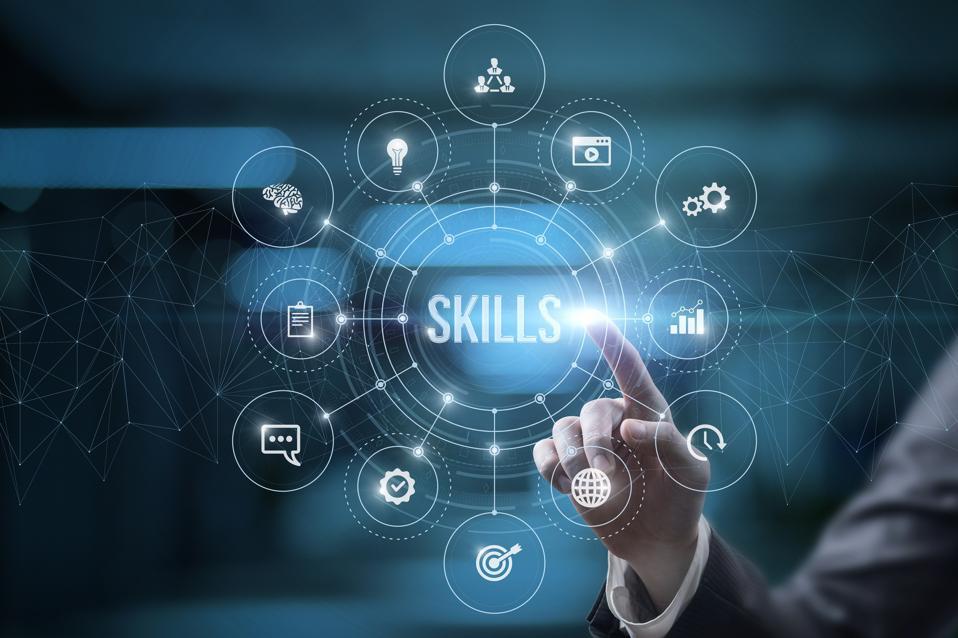
Future-ready skills are a blend of technical and soft skills designed to enable students to excel in a digital, fast-paced, and dynamic job market. They include:
- Digital Literacy and Fluency: Mastery of emerging technologies (AI, robotics, data science, cloud computing).
- Critical Thinking & Problem-Solving: The capability to analyze complex challenges and devise effective solutions.
- creativity and Innovation: The ability to think outside the box and generate original ideas.
- Emotional Intelligence (EQ): Skills in self-awareness, empathy, and collaborative communication.
- Adaptability & Versatility: Openness to change and willingness to learn continuously.
- Collaboration & Teamwork: The ability to work effectively across cultures and disciplines.
- Entrepreneurial Mindset: A proactive attitude toward seizing opportunities and overcoming obstacles.
- Global and Cultural Awareness: Understanding diverse perspectives in an interconnected world.
Top In-Demand Jobs of the Future
Examples of careers that will require thes future-ready skills:
- Data Analysts and Scientists
- AI and Machine Learning Specialists
- Digital marketing and Strategy Experts
- Software and submission Developers
- Cybersecurity Specialists
- Healthcare Professionals with digital expertise
- Renewable Energy Technicians
- UX/UI Designers
- Education and Training Professionals skilled in EdTech
Each of these fast-growing roles highlights the urgent need for future-ready skills in education today.
Benefits of Equipping Students with Future-Ready Skills
- Enhanced Employability: Students with versatile skills are more attractive to future employers across industries.
- Resilience to Automation: Human-centric skills like creativity, EQ, and problem-solving are less likely to be automated.
- Global Competitiveness: Students are equipped to collaborate internationally and adapt to global job demands.
- motivation and Engagement: Learning is more meaningful when it connects to real-world applications and passions.
- Lifelong Learning Habits: Future-ready education instills curiosity and self-driven growth,preparing students for careers that don’t even exist yet.
Practical Tips: How to Prepare Students for Future Jobs
Implementing future-ready skills in the classroom—and at home—is more attainable than ever. Here are proven strategies:
1.integrate Technology Across subjects
- Use coding, robotics, and data analysis projects in STEM and humanities subjects.
- Leverage educational platforms to encourage digital collaboration.
2. Encourage Collaborative Projects
- Promote teamwork through group research, community service, or entrepreneurship projects.
- use online tools for virtual teamwork to mirror global business practices.
3. Develop Critical Thinking with Real-World Challenges
- Incorporate problem-based learning and case study analysis in every discipline.
- Encourage students to debate, question, and reflect on current global issues.
4. Foster creativity and Innovation
- Give students creative freedom in assignments and encourage solution-oriented thinking.
- Incorporate design thinking exercises and maker projects into the curriculum.
5. Prioritize Social-Emotional Learning (SEL)
- Teach active listening,conflict resolution,and empathy-building activities.
- Integrate mindfulness and stress management techniques.
6. Cultivate an entrepreneurial Mindset
- offer workshops in financial literacy,startup basics,and networking skills.
- Share real stories from innovators and encourage participation in pitch competitions.
7. Support Lifelong Learning and Career Exploration
- Connect students with internships, mentorship programs, and online courses.
- Encourage digital portfolios and projects that showcase evolving capabilities.
Case Study: Success Stories from Future-Ready Schools
Singapore’s “skillsfuture” Initiative
The Singaporean government launched SkillsFuture to encourage all citizens—including students—to continuously upskill through government-backed training.In schools, students partake in coding competitions, team-based science research, and workplace attachments from a young age, fostering adaptability and lifelong learning.
Finland’s Phenomenon-Based Learning
In Finland, schools embrace “phenomenon-based learning”: cross-curricular, real-world projects that strengthen creativity, communication, and problem-solving skills. Their students regularly outperform international averages in innovation-driven tests and collaborative work.
First-Hand Experience: Student Voices
“Being able to work on group robotics projects and pitch our ideas to teachers helped me realize I want to pursue engineering. The teamwork and creative freedom made learning so much more engaging.” — Maya, high school senior
The role of Educators and Parents
Preparing students for tomorrow’s in-demand jobs is a community effort:
- Teachers and Schools: Incorporate future-ready skills into lesson plans, provide mentoring, and support student-led projects.
- Parents: Encourage curiosity at home,facilitate access to online learning resources,and support extracurricular learning.
- Policymakers: Invest in teacher training, up-to-date technology, and curriculum reform tailored to evolving workforce needs.
A Roadmap to Future-Proof Education
- Audit and Update curriculum: Ensure programs reflect rapidly changing skill demands.
- Invest in Technology: Provide equitable access to digital devices and internet for all students.
- Encourage Industry Partnerships: connect students to businesses for internships, project-based mentorship, and career guidance.
- Promote a Growth Mindset: Foster the belief that skills are developed through dedication, effort, and resilience.
- Measure and Share Success: Use student feedback, alumni tracking, and outcome-based assessments to refine approaches continually.
Conclusion: Future-Ready Skills Unlock Tomorrow’s Opportunities
The future of work will be shaped by automation, digital transformation, and global interconnectedness. Preparing students for in-demand jobs requires more than technical knowledge—it demands lifelong learning, adaptability, and a passion for problem-solving. By cultivating future-ready skills today, we can unlock limitless opportunities for the workforce of tomorrow.
Let’s empower our students, together. Equip them not just for jobs—but for a lifetime of meaningful impact, creativity, and resilience in a rapidly changing world.
To stay updated on the latest trends in education, future-ready skills, and workforce growth, subscribe to our newsletter and receive expert insights directly in your inbox!