
Future Trends in Digital Learning Environments: Emerging Innovations Shaping Education
Digital learning environments are rapidly evolving, propelled by cutting-edge technologies, shifting educational paradigms, and global demands for accessible, engaging, and personalized learning experiences. In this comprehensive article, we’ll explore the future trends in digital learning, highlight the emerging innovations shaping the education sector, and share practical insights every educator and institution can leverage to stay ahead.
Introduction: Embracing the Digital Transformation in Education
The past decade has witnessed a remarkable transformation in education, driven by advances in digital technologies. remote learning, interactive platforms, and AI-powered tools have become mainstream, altering the way people learn, teach, and interact. As we move into a new era, understanding the future trends in digital learning environments is crucial for educators, administrators, students, and policymakers.
Key Trends Shaping Digital Learning Environments
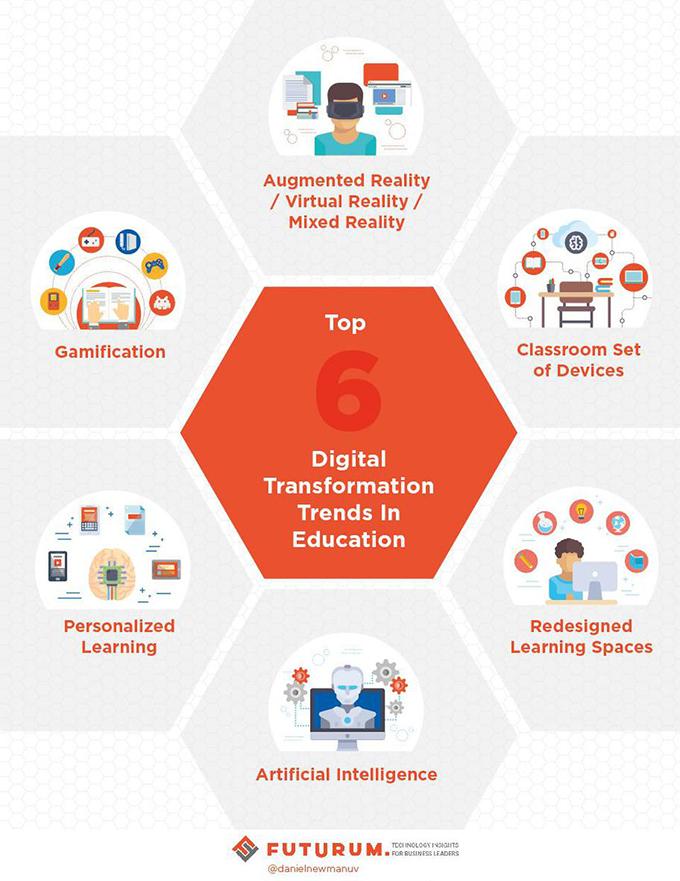
1. Artificial Intelligence and Machine Learning
Artificial Intelligence (AI) is revolutionizing education by personalizing learning experiences,automating administrative tasks,and offering bright tutoring. Machine Learning algorithms analyze student data to identify learning patterns, adapt content, and recommend personalized learning pathways.
- Adaptive Learning Platforms: Tools like Knewton and Smart Sparrow tailor curricula based on individual student progress.
- Intelligent chatbots: AI-powered bots offer instant answers, personalized support, and automate routine inquiries.
- Predictive Analytics: Supporting early interventions by identifying students at risk of falling behind.
2. Virtual Reality (VR) and Augmented Reality (AR)
Immersive technologies are making learning more engaging and interactive. Virtual Reality (VR) creates simulated environments for experiential learning, while Augmented Reality (AR) overlays digital data onto real-world objects.
- VR Labs: Simulate scientific experiments, anatomy lessons, and historical events.
- AR Applications: Apps like Google Expeditions allow students to explore complex concepts through interactive visuals.
- Field Trips & Simulations: Safe, cost-effective alternatives for real-world experiences.
3. Gamification and Game-Based Learning
By integrating gamification—points, badges, and rewards—into the learning process, educators increase motivation and retention. Game-based learning platforms promote active participation and problem-solving skills.
- Duolingo & Kahoot: Infuse quizzes and language learning with fun, competitive elements.
- Project-Based Learning Games: Enable collaboration and critical thinking.
- Real-Time Feedback: Helps learners track and improve their performance instantly.
4. Mobile Learning and Microlearning
Smartphones and tablets have made mobile learning ubiquitous. Microlearning delivers content in small, focused chunks—perfect for the modern attention-span.
- Anytime, Anywhere Access: Students can learn on the go, breaking geographical and time barriers.
- Push Notifications & Reminders: Encourage timely engagement and completion.
- Bite-Sized Lessons: Improve retention and make complex topics manageable.
5.Collaborative and Social Learning Tools
the power of collaborative platforms is reshaping the digital classroom. Discussion boards, social learning platforms, and video conferencing foster engagement, peer support, and dialogue skills.
- Microsoft Teams & Slack: Group chat, file sharing, and virtual breakout rooms.
- Peer Assessment & Feedback: Students learn from each other through shared projects.
- Global Connectivity: Connects learners across cultures and continents.
Benefits of Emerging Technologies in Digital Learning
- Personalized Education: Adapts to individual learning styles, paces, and needs.
- Enhanced Engagement: Interactive tools promote active learning and higher retention rates.
- Scalability and Accessibility: Reach thousands of learners regardless of location.
- Data-Driven Insights: Track learning outcomes and optimize pedagogical strategies with analytics.
- Cost-Effectiveness: Reduces the need for physical infrastructure and printed materials.
Practical Tips for Educators and Institutions
- Start Small: Pilot new technologies with a single class or topic before a wide rollout.
- Invest in Training: Equip educators with skills and confidence in new digital tools.
- Focus on Outcomes: Select technologies that demonstrate clear improvements in engagement and achievement.
- Foster Community: Encourage collaboration and feedback among staff and students.
- Ensure Equity: Address access issues, including devices, connectivity, and digital literacy.
Case Studies: Real-World Success Stories
Case Study 1: AI-Powered Personalization in K–12 Schools
A major school district piloted an AI-driven adaptive learning platform across its fifth-grade classrooms. As a result,teachers reported a 25% improvement in student test scores and higher engagement,especially among struggling learners. The platform’s predictive analytics allowed educators to provide targeted interventions and resources, reducing achievement gaps.
Case Study 2: VR in Higher Education
A leading university integrated VR labs into its med-school curriculum,enabling students to practice surgical procedures in immersive 3D environments.Graduation rates increased by 12%, and student feedback revealed boosted confidence and readiness for clinical work.
Case Study 3: Gamification Fuels engagement
An online language school revamped its curriculum using gamification principles—leaderboards, badges, and rewards. The result: 70% retention rate boost and a fun, supportive learning community that helped students stay motivated and track progress.
Challenges and Considerations
While the future is shining, the use of emerging technologies in digital learning environments comes with challenges:
- Digital Divide: Unequal access to devices and high-speed internet remains a critical barrier in many regions.
- privacy & Security: Safeguarding student data in cloud-based and AI-driven platforms is paramount.
- Teacher Readiness: effective integration requires ongoing professional development and technical support.
- pedagogical Quality: Technology should enhance, not replace, effective teaching and real-world learning.
First-Hand Experience: An Educator’s Perspective
“Integrating AI into my classroom transformed the way I teach. I spend less time on grading and more time engaging with students. The adaptive suggestions help tailor my lessons, and students feel more supported. It’s a win-win!”
— Anna Lopez, Middle school Teacher
conclusion: Navigating the Future of Digital Education
The future trends in digital learning environments underscore a movement toward greater personalization, engagement, and accessibility in education. By embracing emerging innovations—such as AI, VR, gamification, and mobile learning—schools and institutions can better prepare students for a rapidly changing world. Success,however,requires equitable access,thoughtful implementation,and a commitment to data privacy and effective teaching.
As technology continues to shape education, staying informed and adaptable will be key for educators, learners, and administrators alike. Explore, experiment, and empower yoru learning community to make the moast of the digital revolution.
For more insights on digital learning and innovative education technologies, subscribe to our newsletter or explore related articles below.