
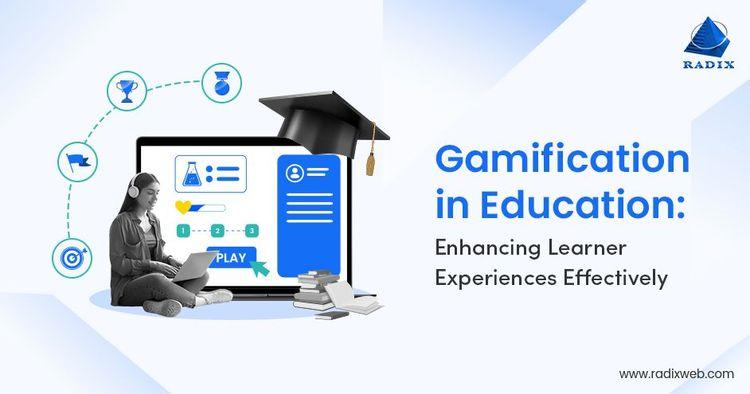
Gamification in Education: How to Effectively Integrate Gamification into Standard Curricula
Gamification in education has quickly emerged as one of the most transformative teaching methods of the 21st century. As digital natives fill our classrooms, blending game-based elements with conventional lessons doesn’t just make learning fun—it cultivates engagement, fosters collaboration, and dramatically improves educational outcomes. If you’re an educator or administrator wondering how to effectively integrate gamification into your standard curricula, this comprehensive guide will provide you with everything you need to know.
understanding Gamification in Education
Gamification in education refers to the request of game-design elements—such as point scoring, challenges, badges, leaderboards, and rewards—within a non-game educational context. The core goal is to harness the motivational power of games to inspire students and improve learning experiences.
- Points & Levels: Encourage progression and reward effort.
- Badges & Achievements: Recognize and celebrate accomplishments.
- Leaderboards: Foster healthy competition and accountability.
- Storytelling & Narratives: Enhance content with immersive plotlines and characters.
- quests & Challenges: Break down learning into manageable, engaging tasks.
Why Gamification Works: Key Benefits
Integrating gamification into standard curricula offers a host of benefits that can positively impact both teachers and students. The strategic use of game elements in education can lead to:
- Increased Motivation: Rewards, competition, and instant feedback keep students invested in their own progress.
- Improved Retention: Interactive and repetitive elements aid memory and comprehension.
- Enhanced Engagement: Games transform passive learners into active participants.
- Personalized Learning: Adaptive challenges cater to varying skill levels and learning paces.
- Development of Soft Skills: Games can promote teamwork, critical thinking, and problem-solving abilities.
Practical Strategies: Integrating Gamification into Standard Curricula
Integrating gamification into the classroom doesn’t require a complete overhaul. Here are proven steps and actionable ideas to help you weave gamified learning into existing courses:
1. Set Clear Learning Objectives
Determine what skills or knowledge you want students to acquire. Gamification works best when it aligns with your educational goals.
2. Start Small with Existing Lessons
- Introduce point systems for completed homework and projects.
- Create digital badges for key milestones—like reading a certain number of books or mastering math concepts.
3. Use Educational Technology and Gamified Platforms
- Kahoot!: Host quizzes and interactive polls.
- Classcraft: Transform class management into a collaborative adventure game.
- Duolingo: Incorporates streaks, XP, and leagues for language learning.
4. Foster Collaboration and Competition
- create team-based challenges or class-wide competitions.
- Encourage peer-to-peer feedback through ‘game master’ and ‘player’ roles in group projects.
5. incorporate Real-Time Feedback and Adaptive Learning
- Provide instant score updates and constructive hints.
- Design adaptive challenges to suit different learning paces.
6. Reward Achievements and Progress
- offer certificates, extra recess, or “homework passes” as rewards.
- Celebrate milestones with classroom apps or school newsletters.
Case Studies: Accomplished Gamification in the Classroom
Real-world examples showcase how gamification in learning can drive results across diverse educational environments:
Duolingo: Language Gamification
With over 500 million users, Duolingo gamifies language learning using XP points, streaks, and leaderboards, blending daily lessons with game mechanics. Studies show increased retention and daily engagement compared to traditional methods.
Classcraft: Classroom Adventures
Teachers adopting Classcraft report enhanced classroom participation and better student behavior. Students work in teams, leveling up for good conduct and academic achievements, turning everyday schoolwork into an epic quest.
Elementary Reading Challenges
Schools using reading challenge platforms—where students win badges for books read or comprehension quizzes passed—see significant improvements in literacy rates and enthusiasm toward reading.
First-Hand Accounts: Educators Reflect on Gamified Learning
“Since introducing a points system for homework and digital badges for milestones in my science classes, absenteeism has dropped and my students are visibly more excited. Gamification has changed the dynamic from ‘I have to learn’ to ‘I want to win!’”
– Jordan Lee, Middle School Science Teacher
“our school-wide math quest, where students progress through levels by solving increasingly challenging problems, has created a buzz—parents have even started requesting updates on weekly leaderboards!”
– Priya Raman, Elementary School Principal
Common pitfalls and How to Avoid Them
While gamification in education offers vast potential, it’s not without challenges. Here’s what to watch out for:
-
Overemphasis on Competition: Too much focus on leaderboards can demotivate less competitive students.
Solution: Balance with cooperative elements and personal achievement rewards.
-
Lack of Connection to Learning Outcomes: Gamified activities must reinforce, not distract from, educational goals.
Solution: Tie every game element directly to curriculum objectives.
-
technical and Resource Barriers: Some schools may lack technology infrastructure.
Solution: Start with low-tech gamification—like charts and stickers—before moving to digital platforms.
-
One-Size-Fits-All Approach: Students have diverse interests and abilities.
Solution: Provide choices in gamified tasks and allow for personalization.
Practical Tips for Successful Gamification Implementation
- Know Your Students: Survey learners to find out what games and rewards motivate them most.
- Stay Flexible: Gamification is not static; be willing to iterate and evolve based on feedback.
- Encourage Reflection: have students regularly reflect on their progress and learning journey.
- Celebrate All Successes: Recognize effort, improvement, and collaboration—not just top scores.
- Integrate Soft Skills: Gamified scenarios are a grate way to teach teamwork, communication, and digital citizenship.
Conclusion: The Future of Gamification in Education
Gamification in education is more than a passing trend—it’s a transformative approach that can infuse new energy into standard curricula. By leveraging game mechanics, educators create learning environments that are not only engaging but also highly effective in achieving academic success.
Begin with small, practical steps, align gamification strategies with your teaching objectives, and adjust your methods based on ongoing feedback. The promise of gamified learning is a classroom where students feel motivated, curious, and empowered to achieve their best.
Ready to transform your teaching? Start integrating gamification into your curriculum today and turn every lesson into an inspiring quest for knowledge.